20 Contemporary DIY Home Decor Ideas That Look High-End for Less
Published: 23 Sep 2026
Contemporary home decor, with its clean lines and quality materials, often carries a steep retail price tag, especially for the small accent pieces that tie a room together. Contemporary DIY home decor ideas solve that problem directly, letting you recreate the look of expensive, minimalist decor using accessible materials like concrete, paint, and reclaimed wood, often for a fraction of the store-bought cost. Most of these projects also require only basic tools and techniques, making them approachable even without prior crafting experience. This guide covers 20 contemporary DIY home decor ideas for every room and skill level, from furniture updates to textiles, lighting, and small accent pieces. Along the way, you will find honest pros and cons, real price ranges, a materials and technique comparison table, care advice, and answers to the questions people search most before starting a DIY decor project. By the end, you will know exactly which projects fit your skill level, your budget, and your home’s style.
Is DIY Home Decor Right for You?
DIY home decor is one of the more accessible ways to update a space, but it is worth weighing a few practical factors before diving into a full room’s worth of projects.
Pros
● Significant cost savings — most DIY decor projects cost a fraction of a comparable contemporary retail piece, especially for items like concrete planters and painted furniture that carry a real markup in stores.
● Fully customizable to your exact space — you control size, color, and finish, which is difficult to match with mass-produced decor designed for a general audience.
● Low skill barrier for many projects — techniques like painting, basic sewing, and simple woodworking rely on following a process rather than advanced artistic skill.
● Genuinely sustainable in many cases — projects using reclaimed wood, upcycled furniture, or repurposed jars keep usable materials out of landfills while creating something new.
Cons
● Results can vary based on technique and material quality — a first attempt at concrete casting or furniture painting may not match a polished retail finish without some practice.
● Some projects require real time investment — furniture makeovers and larger builds like a room divider can take a full weekend or more from start to finish.
● Tool and material setup takes planning — paint and concrete projects especially need proper ventilation and a protected workspace to avoid damage to floors or furniture.
● Upcycled and reclaimed materials are not always available — projects depending on secondhand furniture or reclaimed wood require some searching and patience to find the right piece.
For most people, DIY home decor is a worthwhile way to update a space affordably, especially starting with lower-stakes projects like painted terracotta pots or a throw pillow cover before attempting a more involved furniture makeover.
1. DIY Concrete Planters
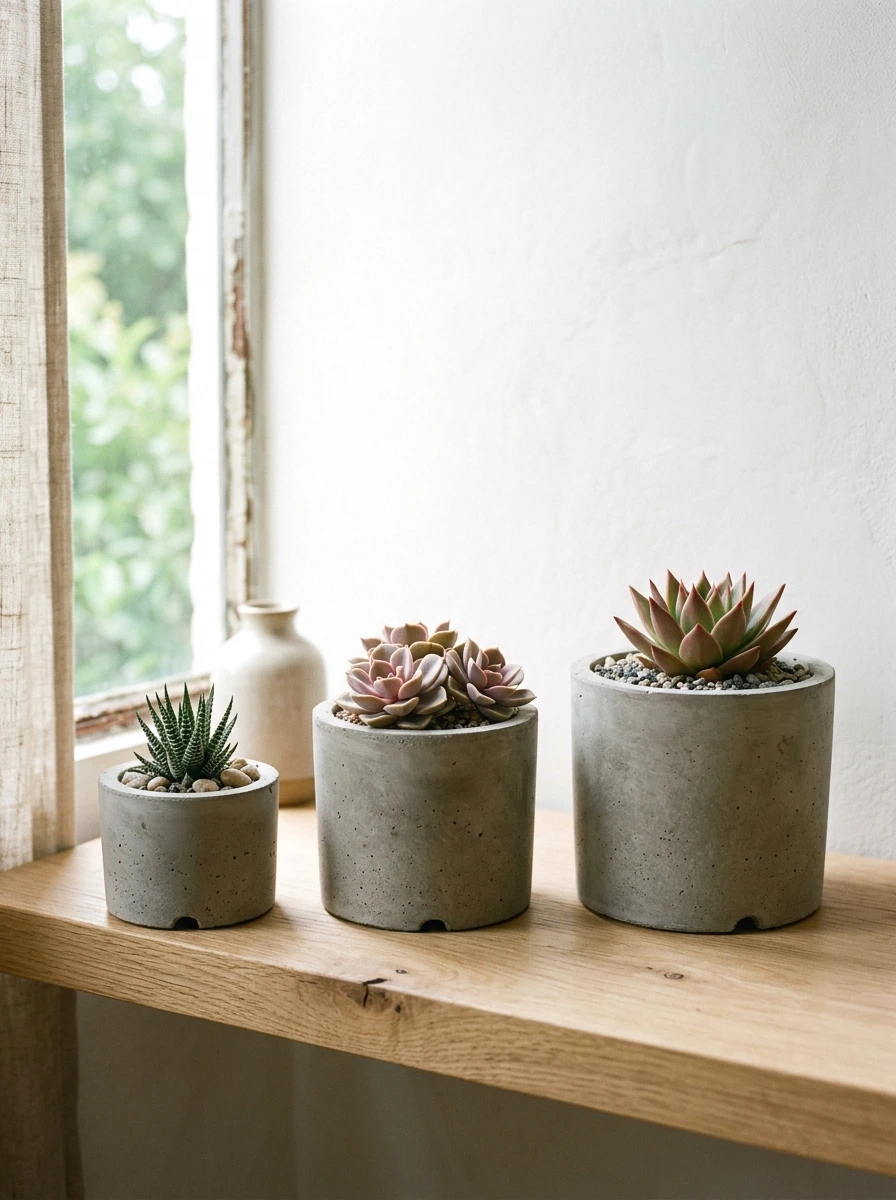
Casting concrete planters using simple mold materials like plastic containers produces genuinely contemporary results, since the raw, matte texture of concrete is exactly the aesthetic that expensive minimalist planters are trying to achieve.
Use a nested mold technique, with a smaller container inside a larger one to form the planter’s walls, and tap the mold gently while pouring to release air bubbles that would otherwise weaken the finished piece.
Best suited for: beginners wanting a genuinely high-end look with minimal artistic skill required.
2. Painted Accent Furniture
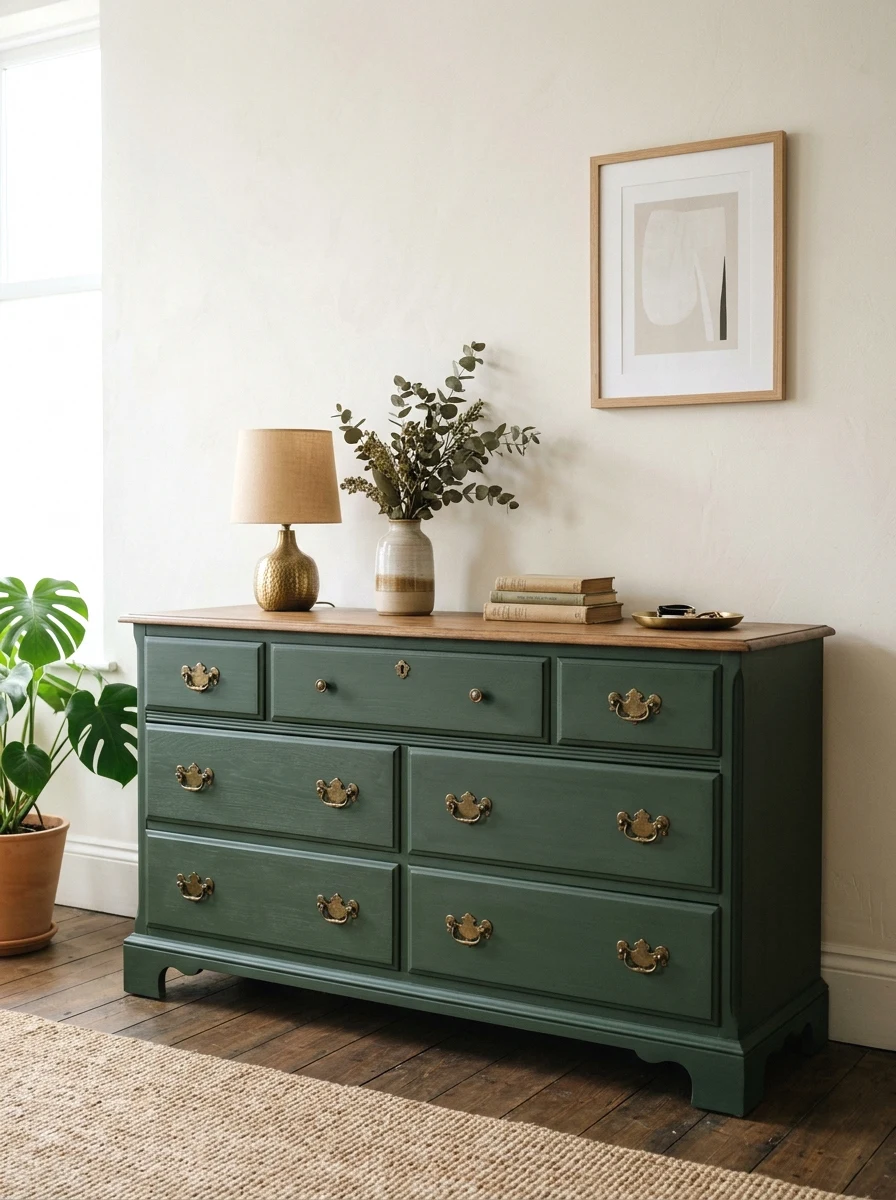
Repainting an existing or secondhand piece of furniture in a bold, contemporary color instantly modernizes it, and pairing the new paint with updated hardware often makes the transformation look like an entirely different, far more expensive piece.
Sand and prime the furniture properly before painting, since skipping this step is the most common cause of paint chipping or peeling prematurely on furniture that sees regular use.
Best suited for: anyone with a dated or secondhand furniture piece and basic patience for a multi-step painting process.
3. DIY Floating Shelves
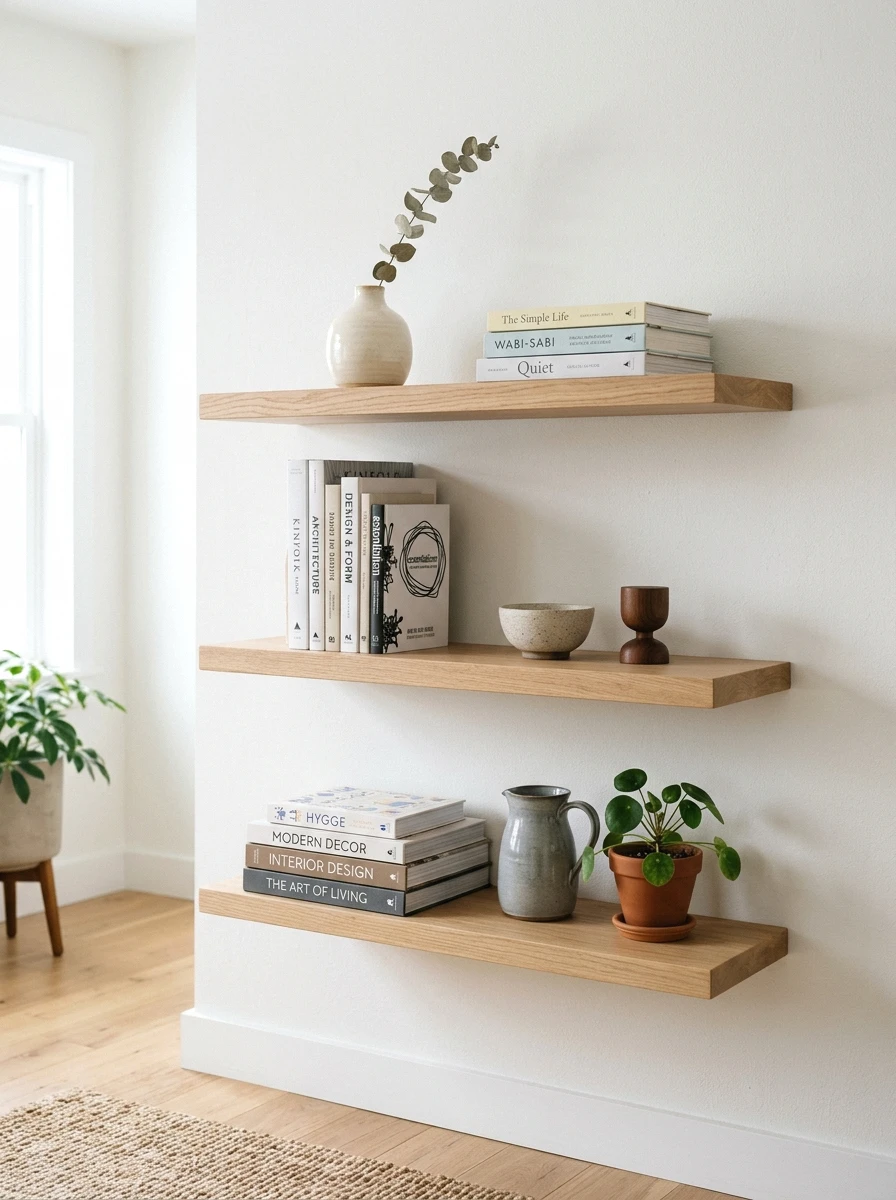
Building simple floating shelves from a length of finished wood and hidden bracket hardware creates a clean, contemporary display or storage solution at a fraction of the cost of pre-made floating shelf systems.
Confirm the hidden bracket hardware is rated for the weight you intend to display, and mount into wall studs wherever possible for the most secure installation.
Best suited for: anyone comfortable with basic measuring and a drill, and a project achievable in a single afternoon.
4. Macramé Plant Hanger
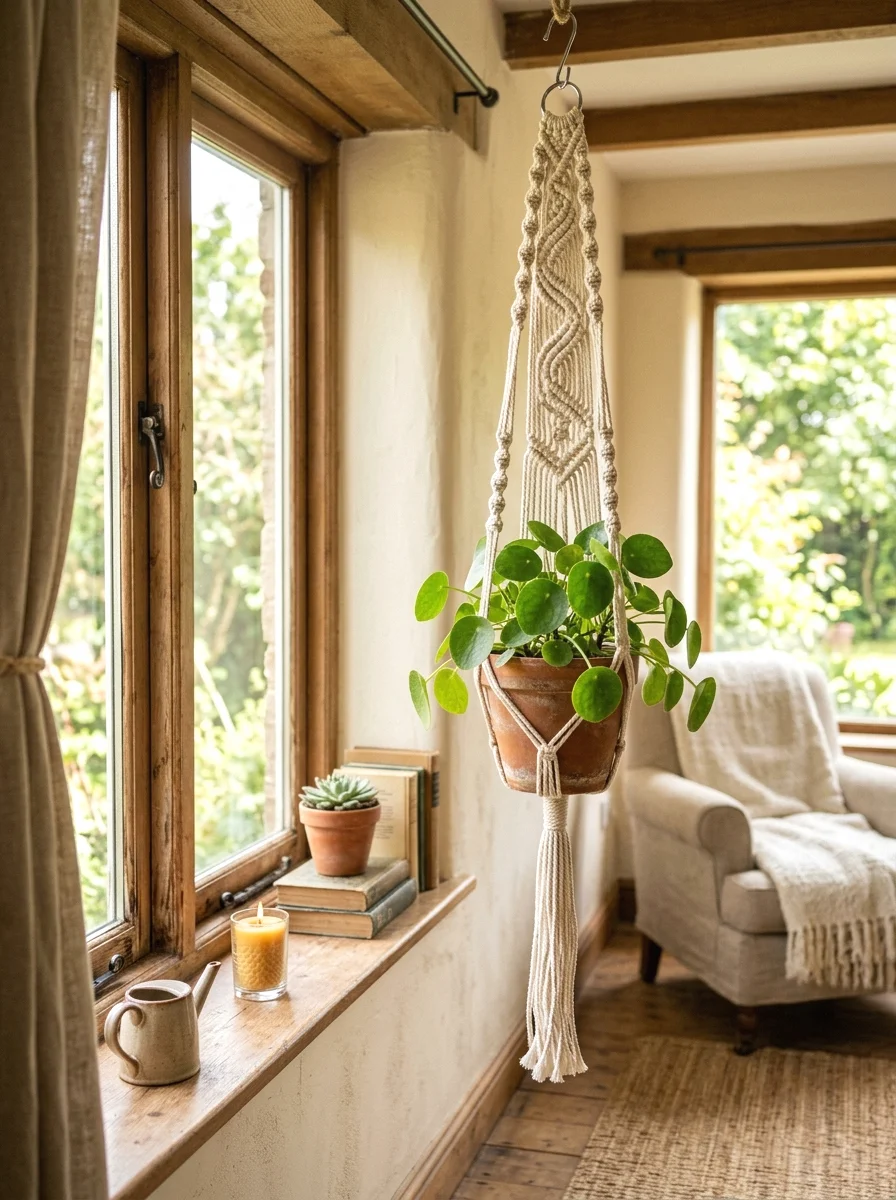
A macramé plant hanger uses a few basic knots to create a genuinely decorative way to display plants, adding vertical greenery and texture to a room without requiring floor or shelf space.
Start with a simple four-cord design using just the square knot for a first project, since this basic pattern is quick to learn and still produces a polished, professional-looking result.
Best suited for: beginners wanting to learn basic knotting, and a relatively fast, low-cost project.
5. DIY Throw Pillow Covers
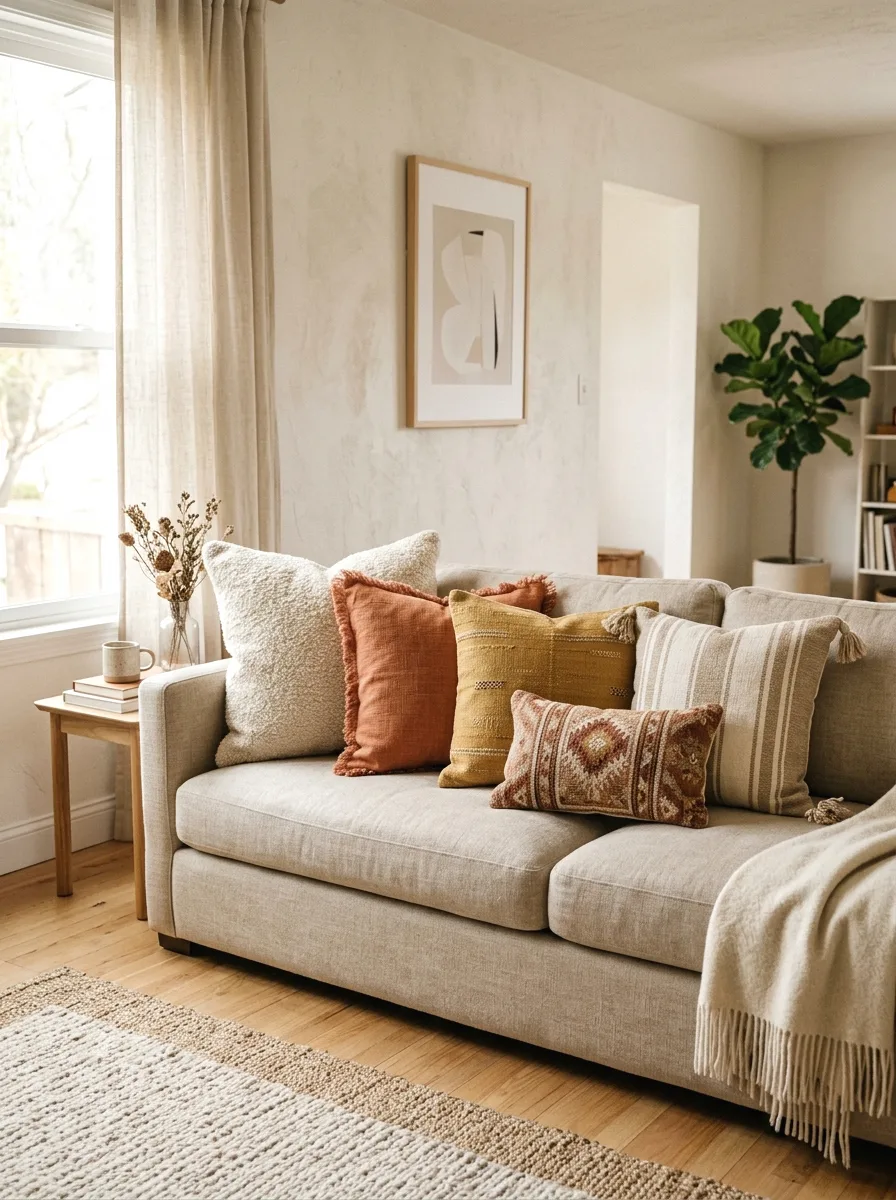
Sewing your own throw pillow covers gives you access to fabric options, like designer-quality linen or boucle, that would cost significantly more in a pre-made pillow, and a simple envelope-back design requires no zipper installation.
Choose an envelope closure style for a first project, since this technique involves only straight seams and no zipper or button application, making it accessible even for beginner sewing skills.
Best suited for: anyone with basic sewing machine access and a desire to refresh a room’s textiles affordably.
6. Painted Terracotta Pots
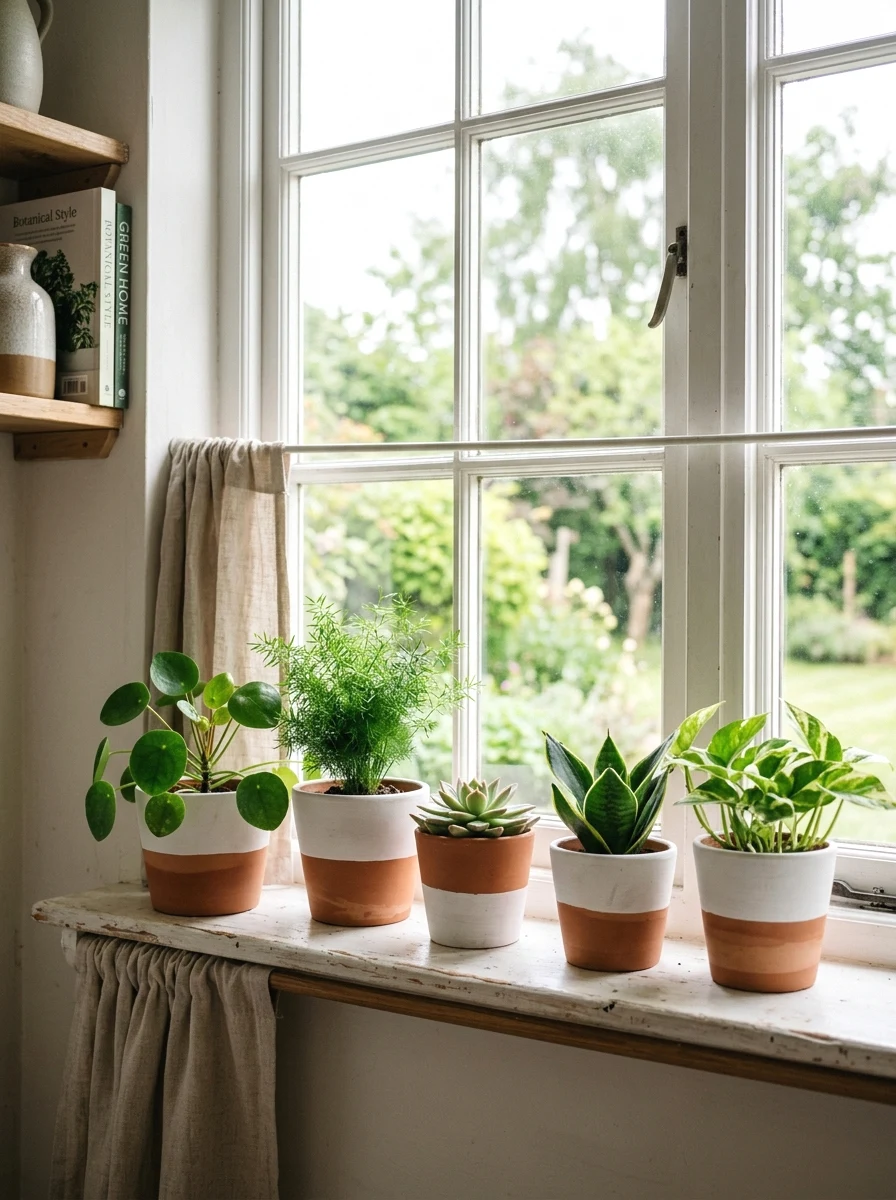
Painting basic terracotta pots in a modern color-blocked or geometric pattern transforms an inexpensive material into decor that looks intentionally designed, and the raw terracotta base keeps material costs very low.
Use acrylic paint with a matte outdoor sealant if the pots will be used outdoors or exposed to regular watering, since standard indoor acrylic paint can wear away faster with consistent moisture contact.
Best suited for: beginners and a project that works well as a quick weekend activity.
7. Painted Canvas Drop Cloth Rug
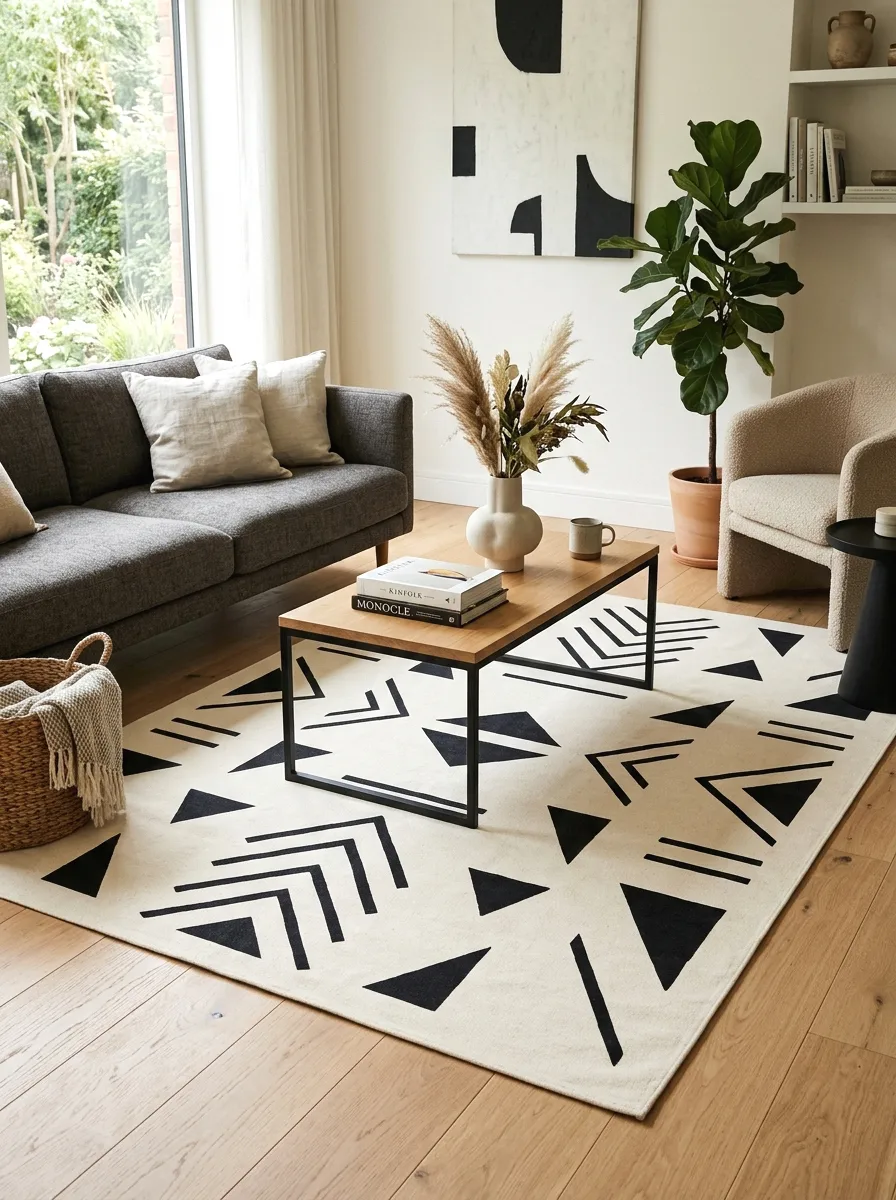
Painting a geometric pattern directly onto an inexpensive canvas drop cloth creates a genuinely striking floor rug for a fraction of what a comparable patterned area rug would cost at retail.
Seal the finished painted rug with a fabric medium or clear sealant to protect the paint from wear, and use painter’s tape to achieve clean, crisp lines for any geometric pattern.
Best suited for: budget-conscious homeowners wanting a bold statement rug, and anyone comfortable with a larger-scale painting project.
8. Upcycled Glass Jar Vases
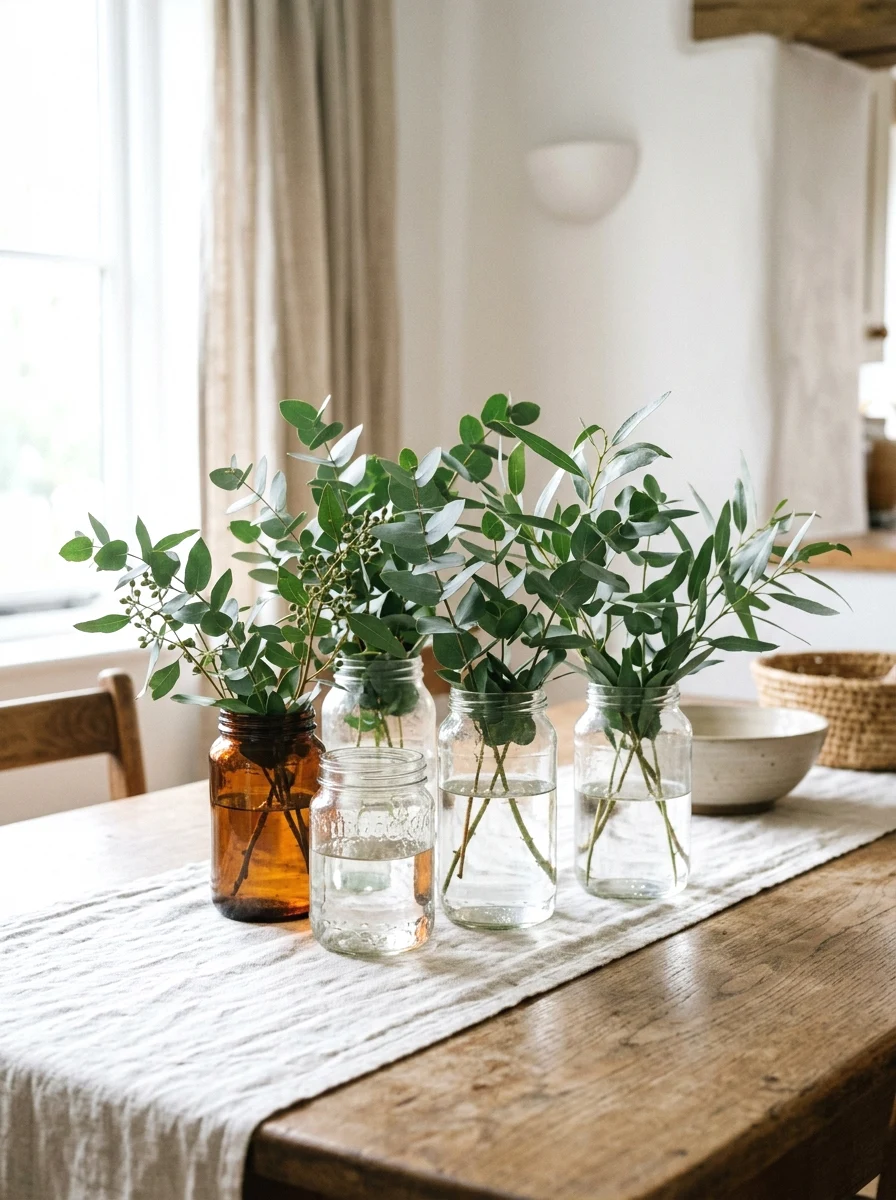
Repurposing glass jars from food packaging into simple vases costs nothing beyond what you already have on hand, and grouped together in varying heights, they create a genuinely stylish, minimal display.
Remove labels completely using warm, soapy water and a bit of oil to dissolve adhesive residue, since leftover sticky residue is the main thing standing between a jar looking upcycled and simply recycled.
Best suited for: anyone wanting a zero-cost decor project using materials already on hand.
9. DIY Geometric Wall Shelf
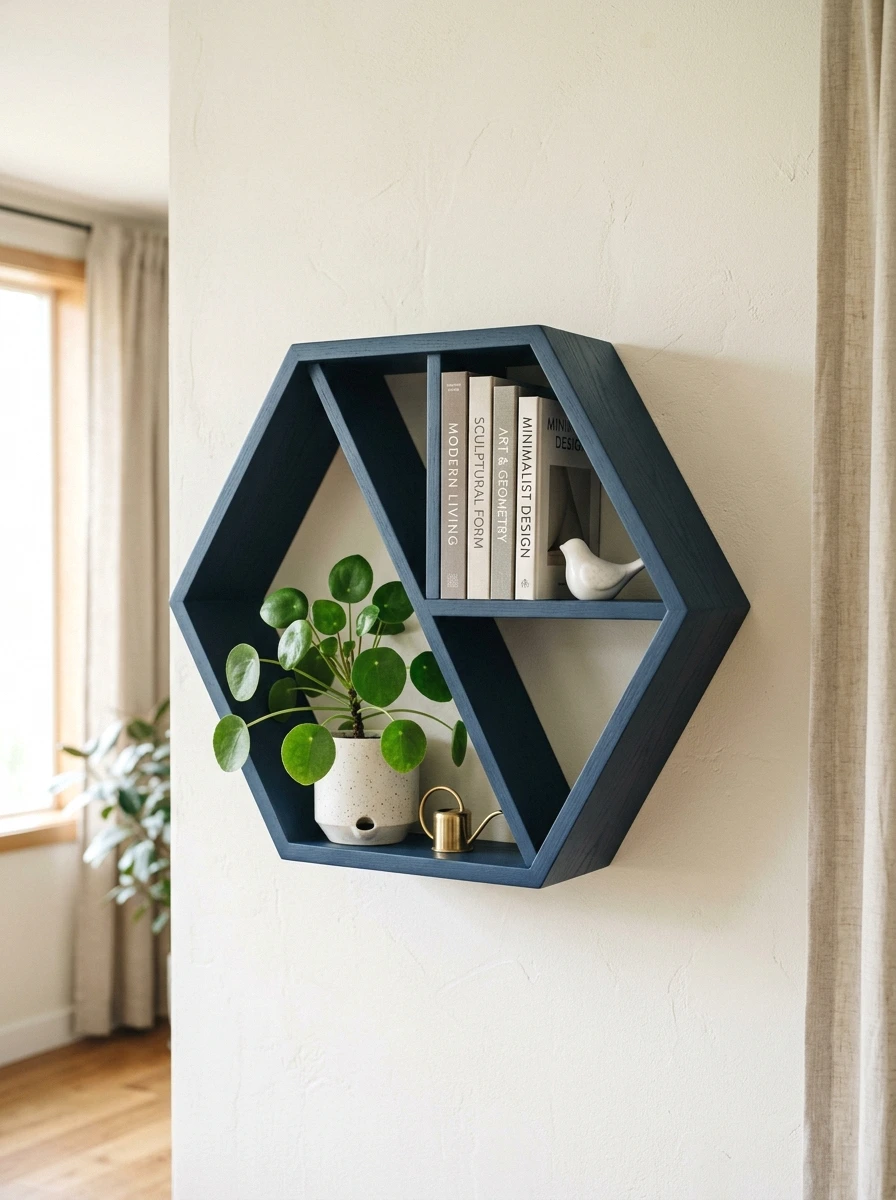
Building a geometric shelf, like a hexagon or angular shape, from simple wood strips creates a genuinely sculptural display piece that reads as far more custom than a standard rectangular shelf.
Cut angles precisely using a miter box or miter saw, since accurate angle cuts are what determine whether the finished geometric shape looks crisp and professional or slightly uneven.
Best suited for: anyone with basic woodworking tools and a bit more patience for precise cutting.
10. Handmade Ceramic Bowls and Vases
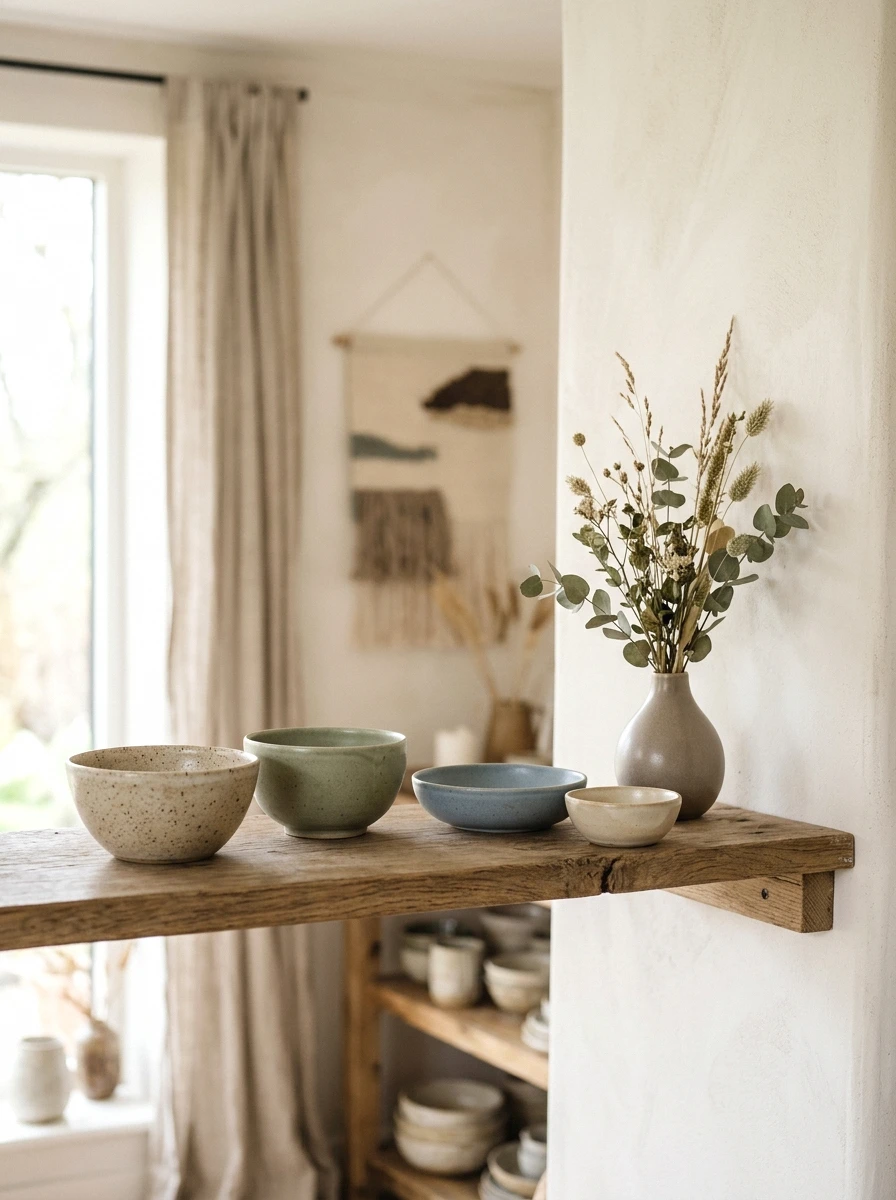
Air-dry clay lets you shape simple, organic bowls and vases without a kiln, and the slightly imperfect, handmade quality of these pieces fits naturally into a contemporary decor aesthetic that values authentic texture over machine-made perfection.
Choose a single neutral paint or glaze finish across a set of pieces for a cohesive look, and allow air-dry clay to cure fully according to package instructions before handling or displaying to avoid cracking.
Best suited for: anyone wanting a genuinely handmade decor piece and comfortable with basic hand-shaping technique.
11. DIY Woven Basket Storage
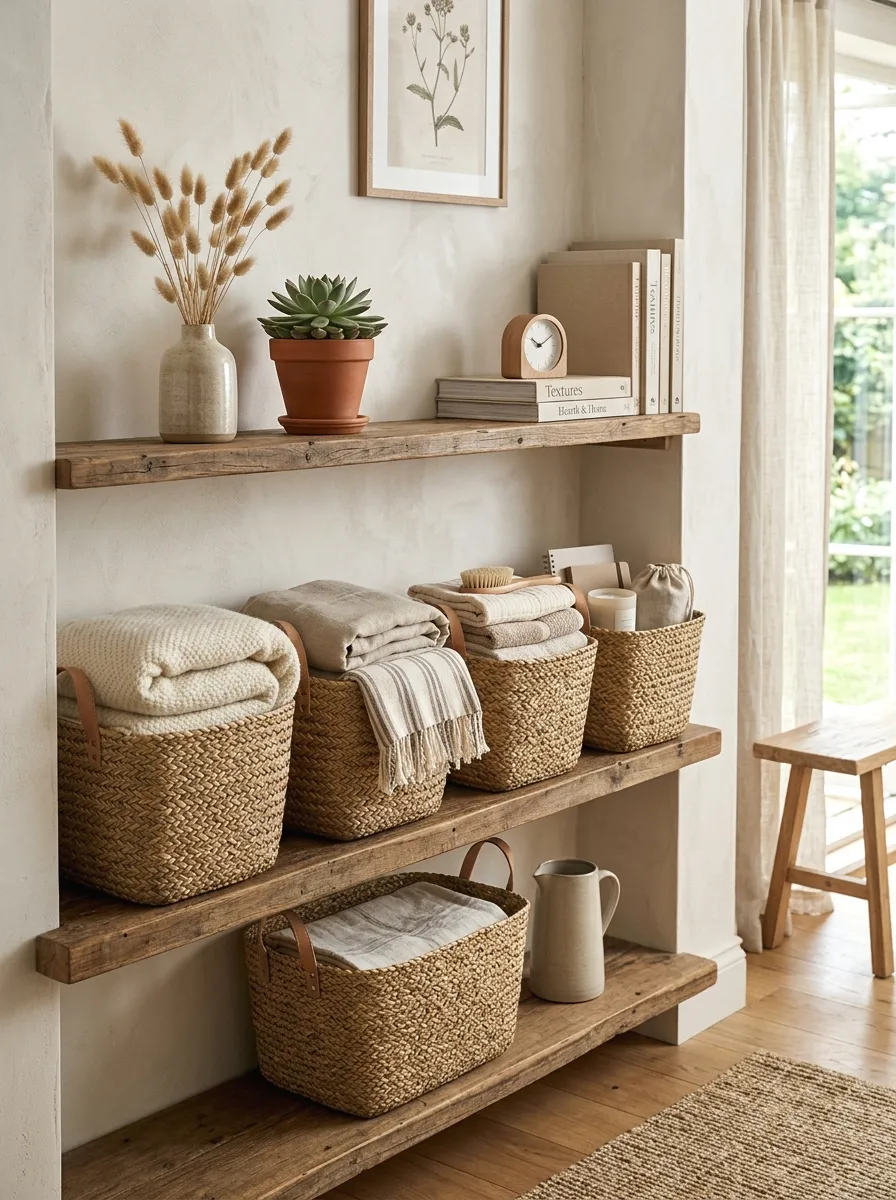
Weaving simple storage baskets from seagrass or rope material gives you genuinely functional storage with the natural, textural quality that contemporary decor often relies on, at a much lower cost than retail woven baskets.
Start with a small basket using a basic coiling technique for a first project, since this method is more forgiving than more complex over-under weaving patterns.
Best suited for: anyone wanting functional storage with a handmade, textural quality, and willing to invest a few hours in the weaving technique.
12. Color-Blocked Accent Wall
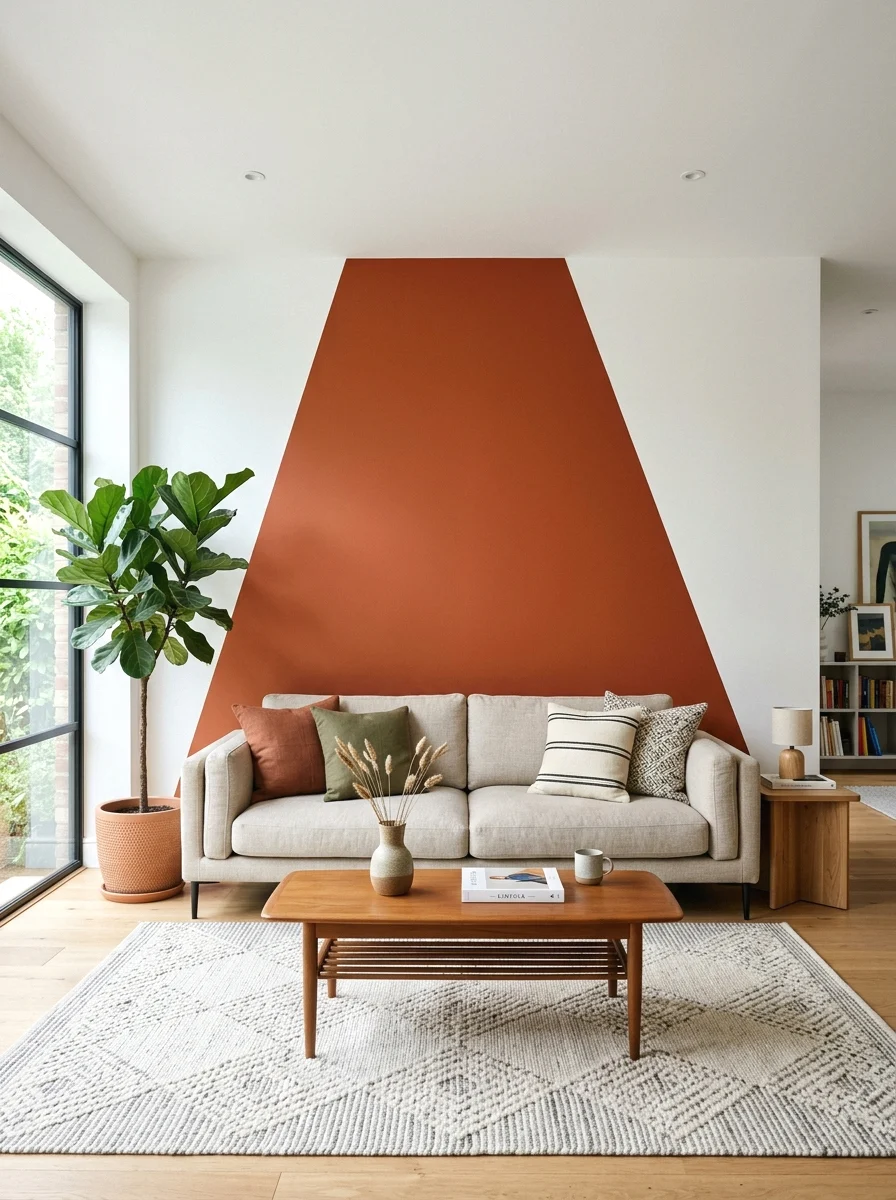
A color-blocked accent wall, using painter’s tape to create a large geometric shape in a single bold color rather than painting the entire wall, gives a room a contemporary, art-inspired statement without the commitment of a full accent wall.
Use high-quality painter’s tape and press down firmly along all edges before painting, since clean tape lines are what separate a crisp, intentional color block from a design with visible paint bleed.
Best suited for: anyone wanting a bold design statement with a relatively achievable painting technique.
13. DIY Table Lamp Makeover
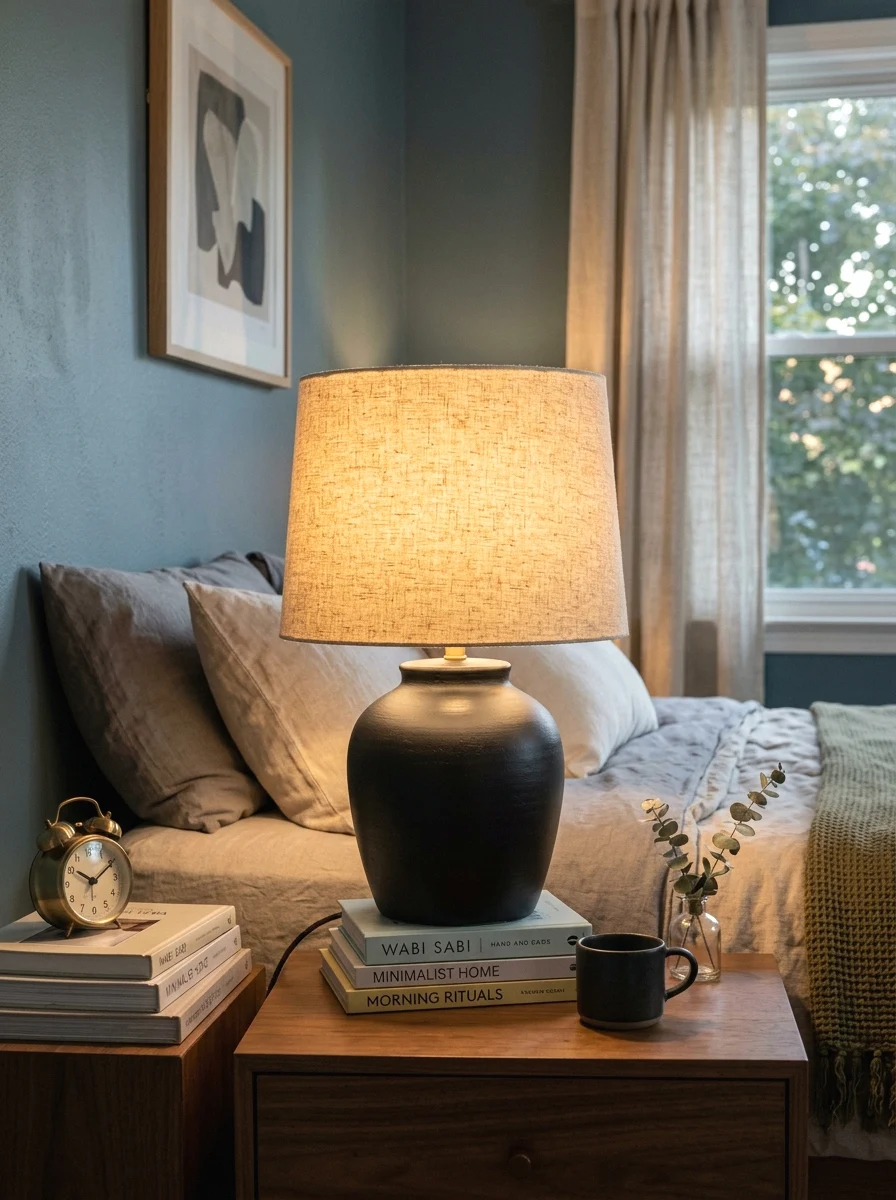
Repainting a dated lamp base and swapping the shade for a more contemporary style transforms an old lamp into something that looks newly purchased, using spray paint and a new shade rather than replacing the entire fixture.
Use spray paint specifically rated for the lamp base’s material, whether ceramic, metal, or resin, and apply several thin coats rather than one heavy coat for the cleanest, most even finish.
Best suited for: anyone with a dated lamp they already own, and one of the faster, lower-cost projects on this list.
14. Reclaimed Wood Floating Console
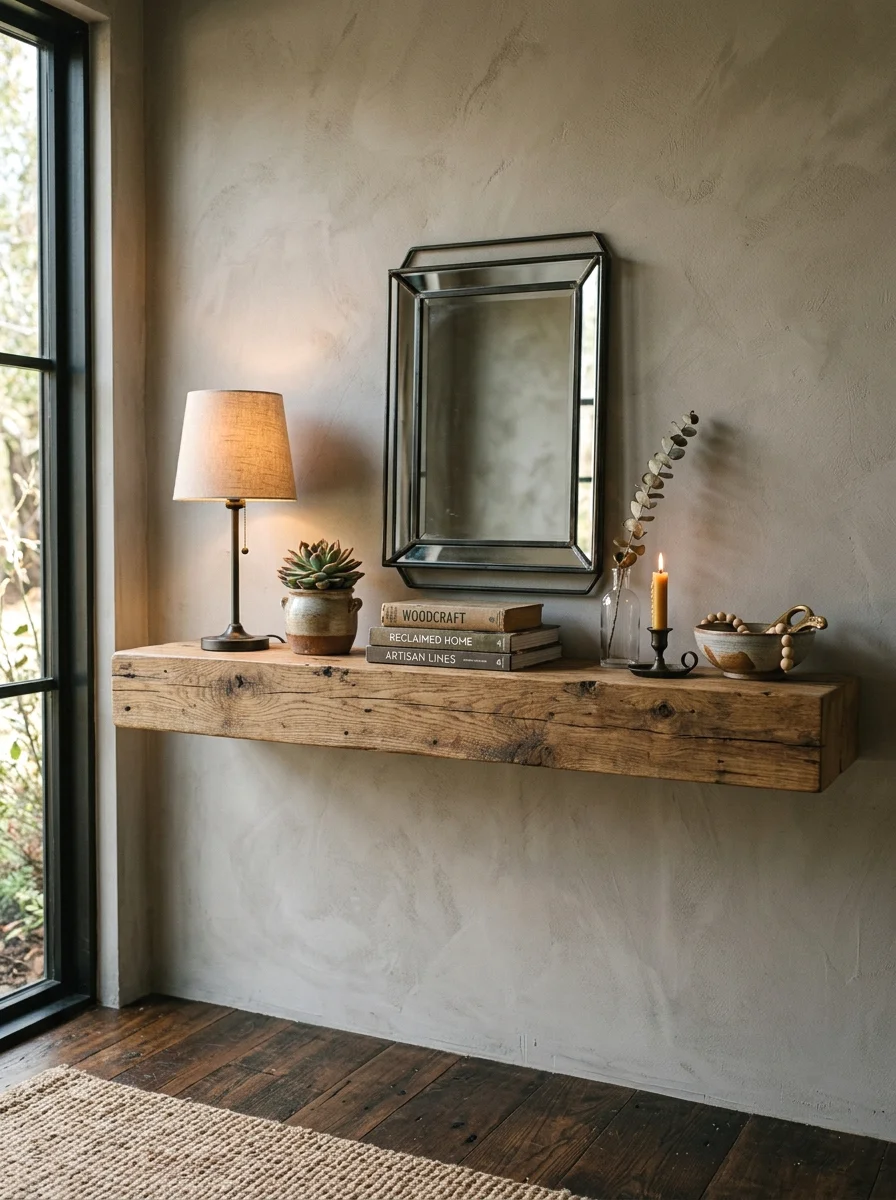
Building a floating console from reclaimed wood planks combines genuine sustainability with a distinctly contemporary, warm-industrial aesthetic, and the floating installation keeps the floor visually open in smaller entryways or hallways.
Confirm the wall can support the console’s weight plus anything displayed on it, using appropriately rated hidden mounting hardware anchored into wall studs.
Best suited for: hallways and entryways with limited floor space, and anyone with access to reclaimed wood material.
15. DIY Room Divider Screen
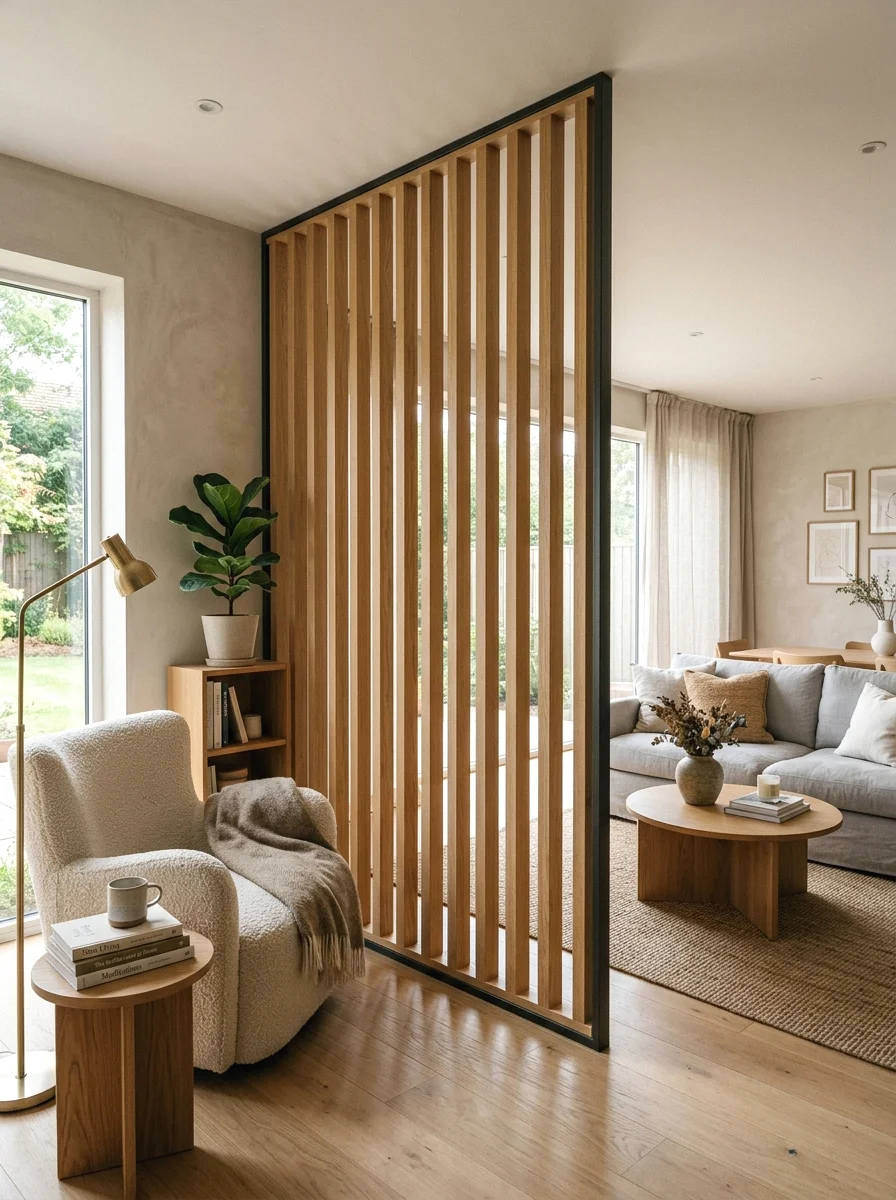
Building a simple slat-style room divider from wood strips and a basic frame lets you visually separate a room without a permanent wall, which works especially well in open-plan spaces or studio apartments needing defined zones.
Space slats evenly using a consistent gap width, and ensure the frame base is wide enough to keep the finished screen stable and freestanding without additional support.
Best suited for: open-plan living spaces and studio apartments needing a flexible way to divide a room.
16. Handmade Candles in Vintage Vessels
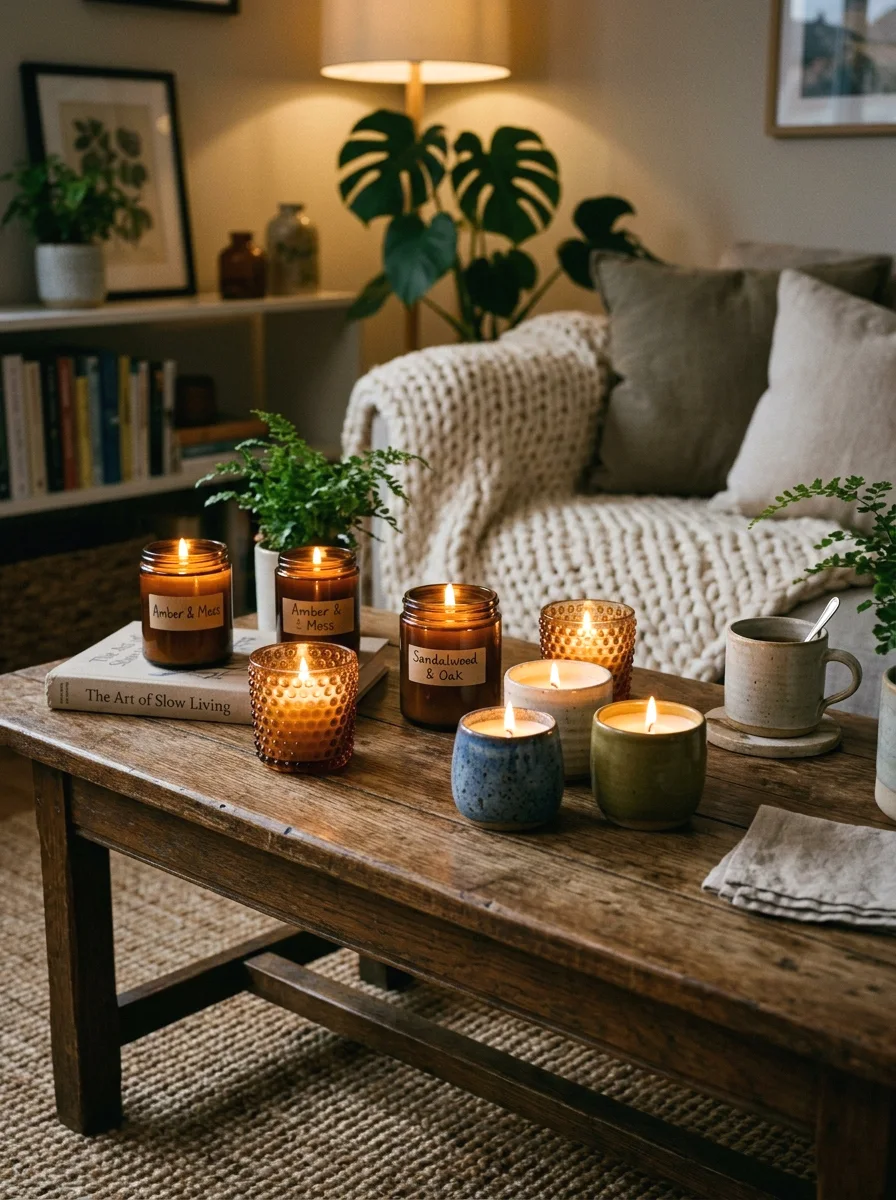
Pouring your own soy wax candles into vintage teacups, glass vessels, or ceramic containers gives you genuinely unique decor pieces that double as functional candles, and the process itself is simple enough for a first-time crafter.
Use a wick sized appropriately for the vessel’s diameter, since an undersized wick will not create a full melt pool and an oversized wick can smoke or burn too quickly.
Best suited for: anyone wanting a functional decor project and a good use for secondhand vessels or vintage finds.
17. DIY Picture Ledge Display
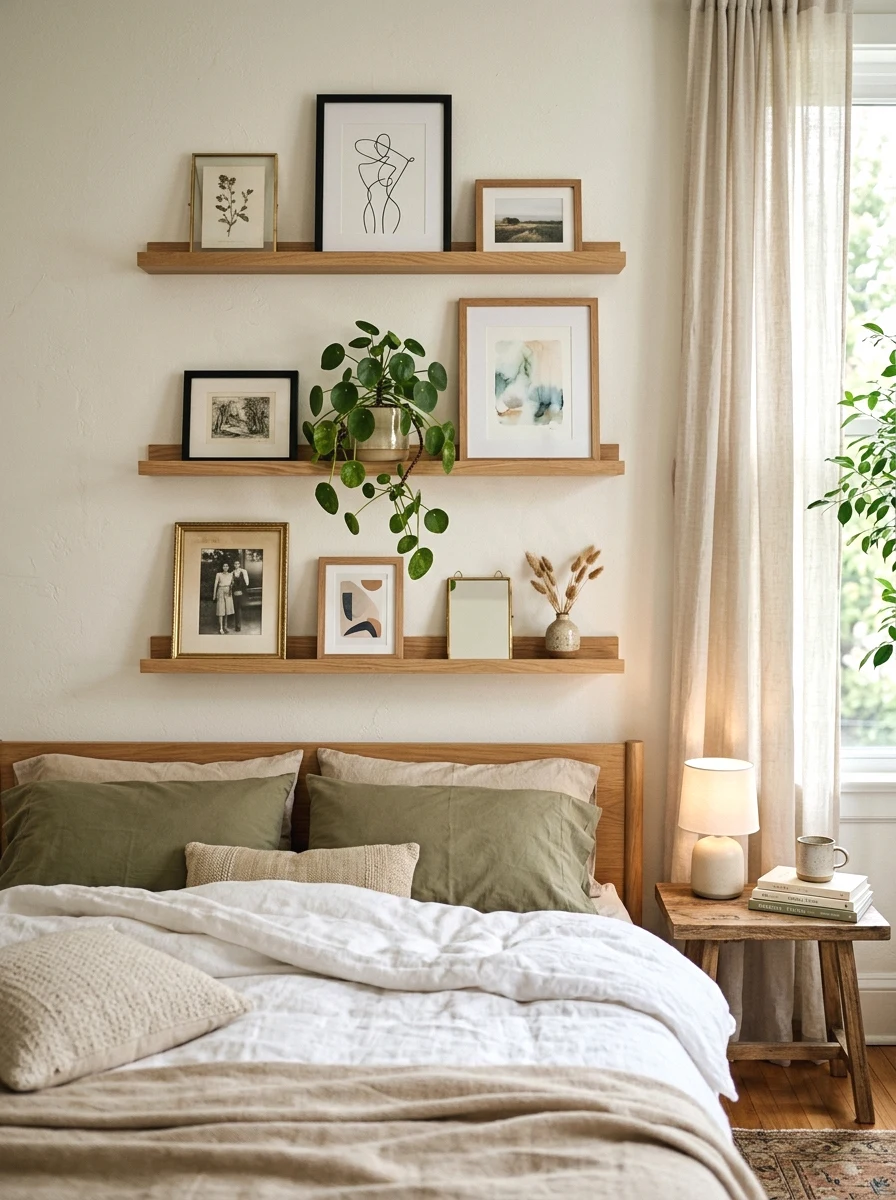
Building simple picture ledges from basic wood trim lets you create a layered, easily changeable art display, and unlike hanging individual frames, ledges let you swap and rearrange pieces without new nail holes.
Use a simple L-shaped or U-shaped profile cut from basic trim boards, and secure it into wall studs, given that ledges holding multiple framed pieces carry more cumulative weight than a single hook.
Best suited for: anyone wanting flexible, changeable art display and a moderately simple building project.
18. Fabric-Covered Headboard
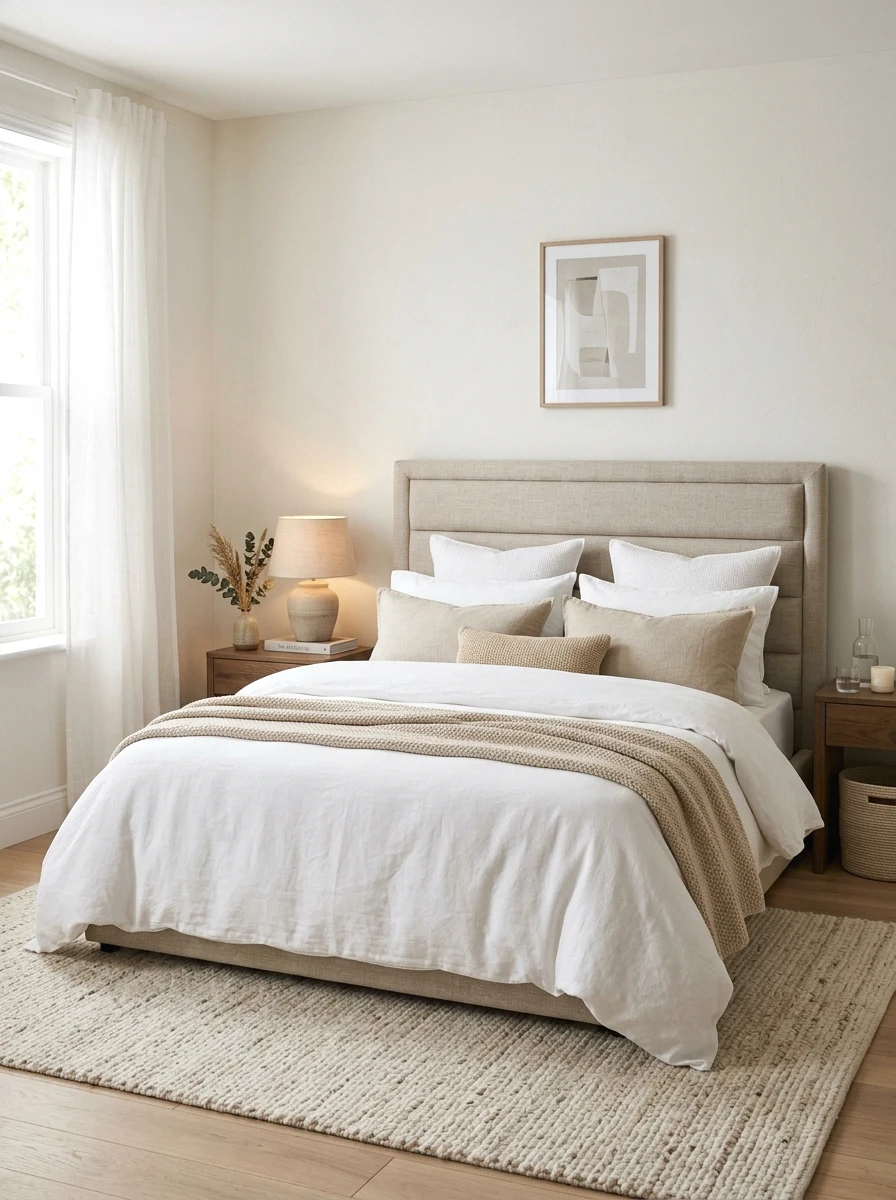
Building a simple upholstered headboard using plywood, foam, and fabric transforms a plain bed into a genuinely elevated focal point, and the technique is largely stapling and basic measuring rather than advanced upholstery skill.
Choose a durable upholstery-weight fabric rather than a lighter decorative fabric, since headboards see regular contact and need material that can handle that wear over time.
Best suited for: anyone with basic tool access and a staple gun, and a project that significantly elevates a bedroom’s overall look.
19. Styled Diffuser and Candle Vignette
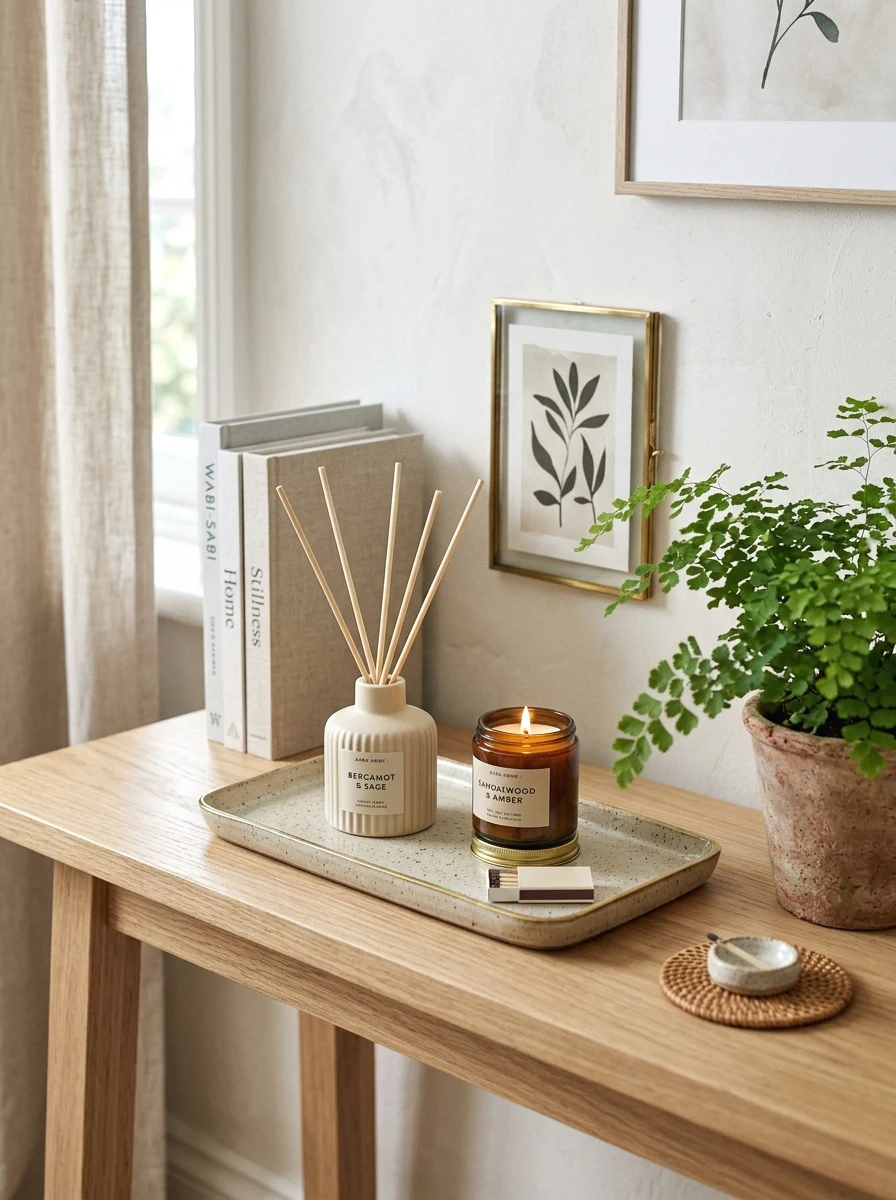
Decanting a reed diffuser or candle into a simple ceramic vessel and styling it with a small tray and plant creates a genuinely elevated vignette that also serves the practical function of scenting the room.
Choose a diffuser vessel with a narrow enough opening to control reed exposure and scent throw, and keep the surrounding vignette simple with just two or three coordinated items.
Best suited for: anyone wanting a low-cost styling detail with real sensory function beyond visual decor alone.
20. Upcycled Furniture With New Hardware
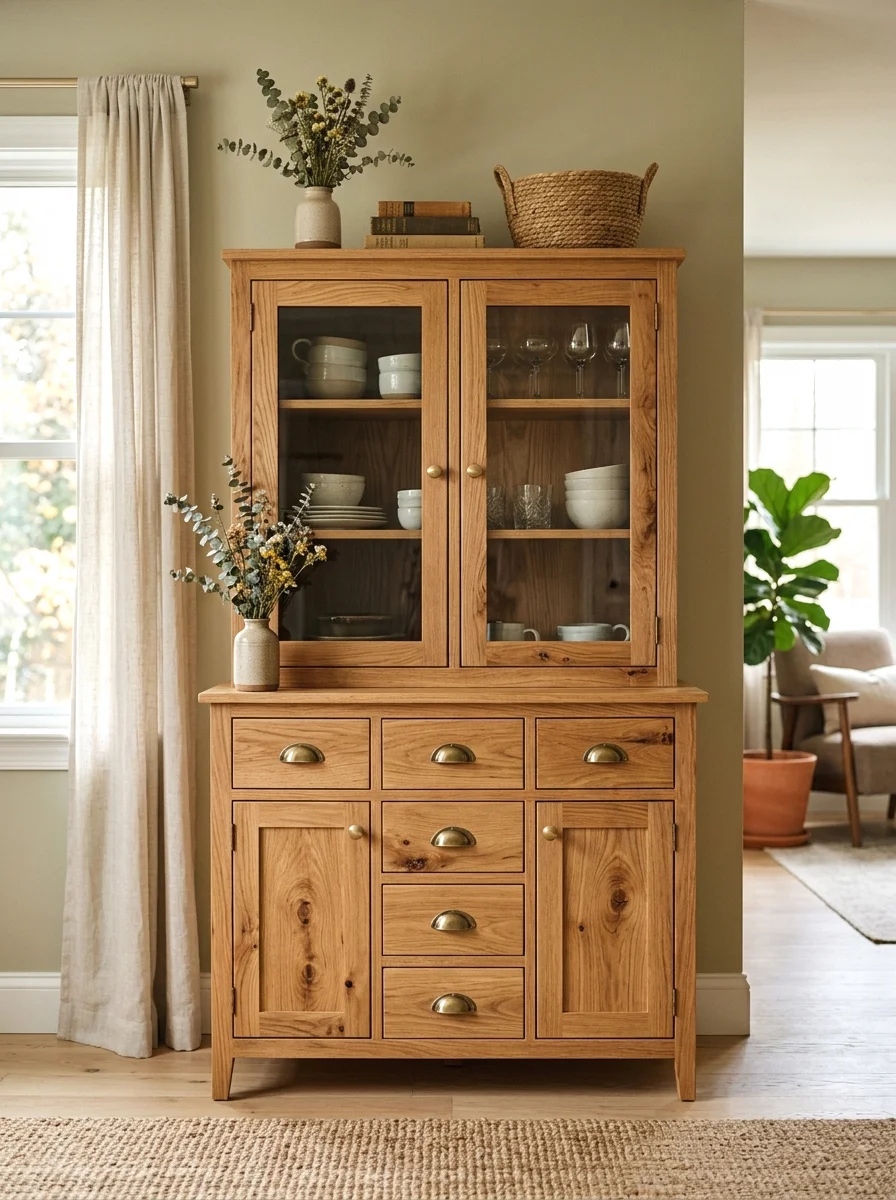
Swapping outdated hardware on a secondhand furniture piece for contemporary brass or matte black pulls can transform the entire look of the piece without requiring a full paint job, since hardware style often dates furniture more than the wood itself.
Measure the existing hole spacing carefully before ordering new hardware, since mismatched hole spacing will require either drilling new holes or patching and redrilling, adding real time to the project.
Best suited for: anyone with a structurally sound but visually dated furniture piece, and one of the fastest, lowest-effort projects on this list.
Planning and Buying Tips
A few practical decisions up front will help your DIY decor projects turn out well and hold up over time, not just look good on the day they are finished.
● Choose projects that match your actual available time — smaller projects like painted pots or jar vases can be finished in under an hour, while furniture makeovers and larger builds often need a full weekend.
● Standard sizing to shop for — floating shelves are commonly built in 24 to 36 inch lengths for most walls, and a headboard project should be sized about 4 to 6 inches wider than the mattress on each side.
● Protect your workspace before starting any paint, concrete, or stain project — lay down a drop cloth and ensure adequate ventilation, since several of these projects involve materials with strong fumes or genuine mess potential.
● Buy slightly more material than a project calls for — paint, fabric, and wood often run short on a first attempt due to measurement adjustments or mistakes during the learning process.
● Choose tools rated for the specific material — a wood-rated drill bit, appropriate wall anchors, and correctly sized wick material for candles all matter more than generic all-purpose tools for a clean, safe result.
● Research secondhand sources before starting an upcycling project — thrift stores, online marketplaces, and curb finds are all good sources for furniture and materials, but plan extra time to find the right piece rather than expecting an immediate match.
Cost Breakdown: Budget, Mid-Range, and Premium Projects
DIY home decor projects vary in cost mainly based on materials and scale, but nearly all remain significantly cheaper than a comparable store-bought contemporary piece.
Budget ($10–$40)
Painted terracotta pots, upcycled glass jar vases, a macramé plant hanger, and hardware swaps fall in this range, often using materials already on hand or requiring only a small specialty purchase.
Mid-Range ($40–$150)
Concrete planters, floating shelves, throw pillow covers, and a painted furniture makeover sit in this tier, with cost driven mainly by material quantity and any specialty tools needed.
Luxury / Premium ($150–$400+)
A fabric-covered headboard, a reclaimed wood console, and a full room divider screen fall here, with cost driven by lumber, upholstery fabric, and foam quantities for larger-scale builds.
Project and Technique Comparison
| Project | Price Range | Skill Level | Time Investment | Best For |
| Concrete planters | $15–$40 | Beginner | 1–2 hours plus curing time | Contemporary, minimal planters at low cost |
| Painted furniture makeover | $30–$100 | Beginner to intermediate | 1–2 days including drying time | Refreshing a dated or secondhand piece |
| Floating shelves | $25–$80 | Intermediate | 2–4 hours | Clean, functional wall storage |
| Throw pillow covers | $15–$60 | Beginner to intermediate | 1–3 hours per cover | Affordable textile refresh |
| Fabric-covered headboard | $80–$300 | Intermediate | 1 full day | A significant bedroom focal point |
| Room divider screen | $60–$200 | Intermediate to advanced | 1–2 days | Defining zones in open-plan spaces |
Care Tips
● Concrete pieces — seal with a concrete sealer to reduce staining and moisture absorption, and handle carefully in the first few weeks after casting while the material fully cures.
● Painted furniture — apply a clear topcoat over painted surfaces that see regular use, like tabletops and drawer fronts, to protect the paint from scratching and everyday wear.
● Textiles and pillow covers — wash according to the specific fabric’s care instructions, and spot clean when possible to extend time between full washes, particularly for delicate fabrics like linen.
● Reclaimed wood pieces — dust regularly and apply wood oil or a protective finish periodically to maintain the material’s natural warmth and prevent drying or splitting over time.
● Handmade ceramics and candles — handle air-dry clay pieces gently, since they are generally more fragile than kiln-fired ceramics, and trim candle wicks before each use to ensure a clean, even burn.
● Common mistake to avoid — skipping proper sealing or priming steps to save time, which is the most common reason DIY furniture and concrete projects wear or chip faster than expected.
Frequently Asked Questions
What is the easiest contemporary DIY decor project for beginners?
Painted terracotta pots, upcycled glass jar vases, and hardware swaps on existing furniture are generally the easiest projects for beginners, since all three rely on simple techniques and require minimal tools or prior experience.
How much money can I save by making my own home decor?
Most DIY decor projects cost significantly less than comparable store-bought contemporary pieces, often 50 to 80 percent less, particularly for items like concrete planters and painted furniture that carry a steep retail markup for their relatively simple materials.
Do I need special tools for DIY home decor projects?
Many projects on this list require only basic tools like a paintbrush, a drill, or a staple gun, though more involved builds such as floating shelves or a headboard benefit from a few specific tools like a stud finder and a miter saw.
How do I make DIY decor look intentional rather than homemade?
Sticking to a limited, cohesive color palette across a room’s DIY pieces, taking time with prep steps like sanding and priming, and choosing quality base materials are the most effective ways to make DIY decor read as intentional rather than obviously handmade.
What is the best DIY project for updating a whole room at once?
A color-blocked accent wall combined with a few coordinating smaller pieces, like new throw pillow covers and updated furniture hardware, tends to have the most noticeable impact on a whole room for a relatively moderate time investment.
How to Choose the Right DIY Home Decor Ideas for You
The right project depends on three factors: your available time, your comfort level with basic tools, and which room actually needs the most attention. Beginners short on time do well with painted pots, jar vases, or a plant hanger, while those with more time and tool comfort can take on furniture makeovers or a headboard build for a bigger transformation.
Budget should guide project scale as much as technique — most projects on this list cost under $100 in materials, so the bigger cost variable is usually the size of the piece and whether specialty tools need to be purchased or can be borrowed.
Finally, match the project to the room that needs it most. A living room benefits from shelving, pillow covers, or an accent wall, while a bedroom sees the most transformation from a headboard project or updated lighting, so prioritize based on where the change will actually be felt daily.
Start with one lower-stakes project, like painted pots or a hardware swap, to build confidence with basic technique, then take on a more involved build like a headboard or room divider once you know your skill level — the best DIY home decor comes from choosing projects that genuinely fit your time and tools, not just copying a finished room you liked online.


- Be Respectful
- Stay Relevant
- Stay Positive
- True Feedback
- Encourage Discussion
- Avoid Spamming
- No Fake News
- Don't Copy-Paste
- No Personal Attacks
- Be Respectful
- Stay Relevant
- Stay Positive
- True Feedback
- Encourage Discussion
- Avoid Spamming
- No Fake News
- Don't Copy-Paste
- No Personal Attacks
