Best Roasted Butternut Squash Noodles (No More Soggy Noodles)
Published: 10 Jul 2026
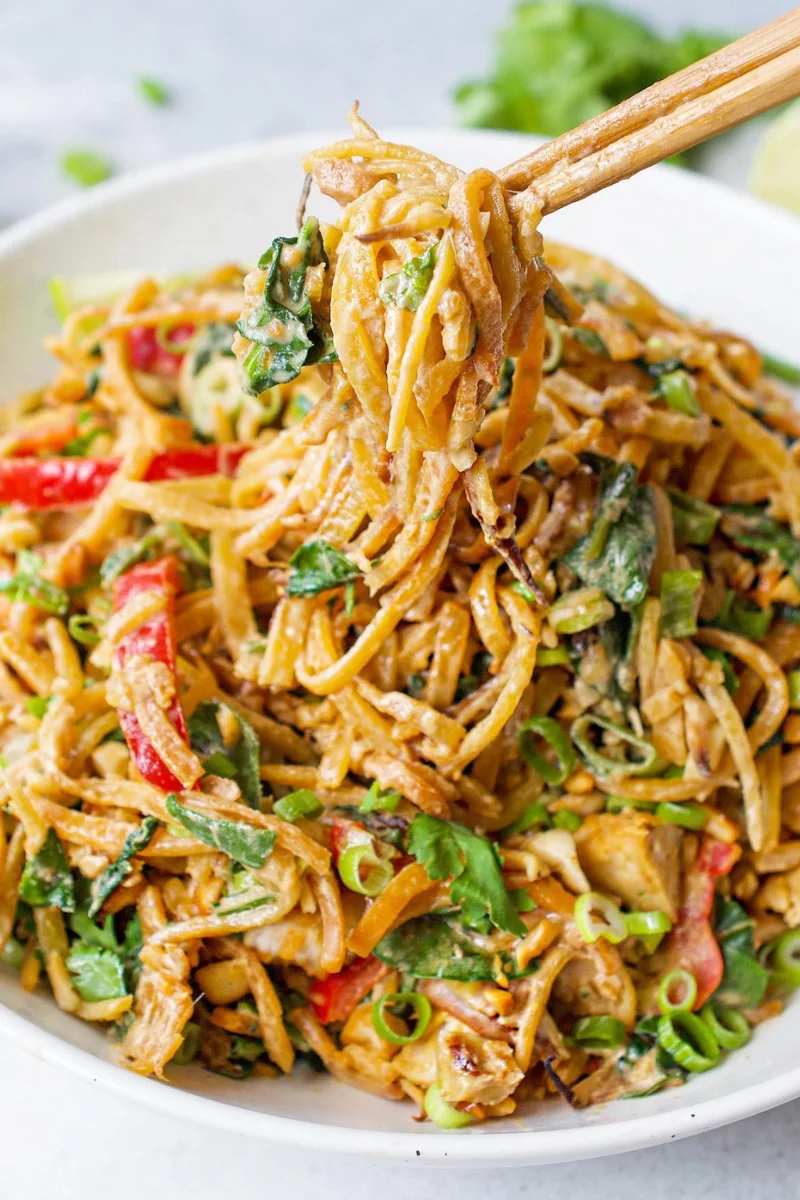
If you’ve made butternut squash noodles before and ended up with a watery, limp pile instead of caramelized, pasta-like strands, you’re not alone — and it’s not your fault. Butternut squash holds a surprising amount of water, and almost every recipe skips the one step that actually prevents that water from ruining your roast. This version fixes that, plus shows you what to actually do with the bulb end of the squash that most recipes just tell you to throw away.
Why Butternut Squash Noodles Turn Out Mushy (And the Fix)
Butternut squash is roughly 86% water. When you spiralize it and pile it straight onto a sheet pan, that water has nowhere to go — it pools underneath the noodles, and instead of roasting, they steam. Steamed squash noodles are soft, wet, and gray instead of caramelized and golden.
The fix is a 10-minute salt rest before roasting. Salting the noodles draws out excess moisture through osmosis, which you then pat away. It sounds like an extra step, but it’s the single biggest difference between “fine” squash noodles and genuinely great ones — and it costs you nothing but a little patience.
What You’ll Need
- 1 medium butternut squash (about 2 lbs), neck portion spiralized
- 1½ tsp kosher salt, divided
- 2 tbsp olive oil or melted butter
- 2 cloves garlic, minced
- ½ tsp black pepper
- ¼ tsp red pepper flakes (optional, for a little heat)
- ¼ cup freshly grated parmesan
- 2 tbsp chopped fresh sage or parsley
- Zest of half a lemon (optional, brightens the sweetness)
Choosing and Prepping Your Squash
Pick a squash that’s heavy for its size with matte, unblemished skin. Here’s the part most recipes gloss over: a butternut squash has two very different sections. The long neck is solid flesh and spiralizes into clean, even noodles. The round bulb is full of seeds and an odd shape, so it won’t spiralize well no matter what tool you use.
Don’t force it. Peel and cube the bulb instead, toss it with a little oil and salt, and roast it alongside your noodle tray (it’ll just need a few extra minutes) — or save it for soup. This way nothing goes to waste, and you’re not wrestling your spiralizer trying to force a round shape through it.
If you don’t have a spiralizer, a julienne peeler works fine, or many grocery stores now sell pre-spiralized squash noodles in the produce section.
Step-by-Step Instructions
1. Salt and rest the noodles. Spread the spiralized noodles on a clean kitchen towel or paper towels. Sprinkle with 1 teaspoon of salt and toss gently. Let them sit for 10 minutes, then press the towel over them to soak up the moisture that’s released. This one step prevents almost all the sogginess people run into.
2. Preheat and prep the pan. Preheat your oven to 450°F (232°C) — hotter than most recipes call for, because a hotter oven means faster caramelization before the noodles have time to release more liquid. Line a large sheet pan with parchment and make sure the noodles will fit in a single layer without touching. If they don’t fit, use two pans rather than crowding one — crowding is the #2 cause of soggy squash noodles.
3. Season and roast — in two stages. Toss the noodles with olive oil, remaining ½ teaspoon salt, and pepper. Roast for 8 minutes untouched first — this lets a dry, golden crust form before you disturb them. Then add the garlic, toss gently, and roast for another 5-7 minutes, until the noodles are tender with browned, curled edges. Garlic goes in late so it doesn’t burn.
4. Finish and serve. Transfer immediately to a serving plate (leaving them on the hot pan continues cooking them and can turn them mushy). Top with parmesan, fresh herbs, lemon zest, and red pepper flakes if using, or swap in one of the sauced variations below. Serve right away while the edges are still crisp.
Flavor Variations to Try
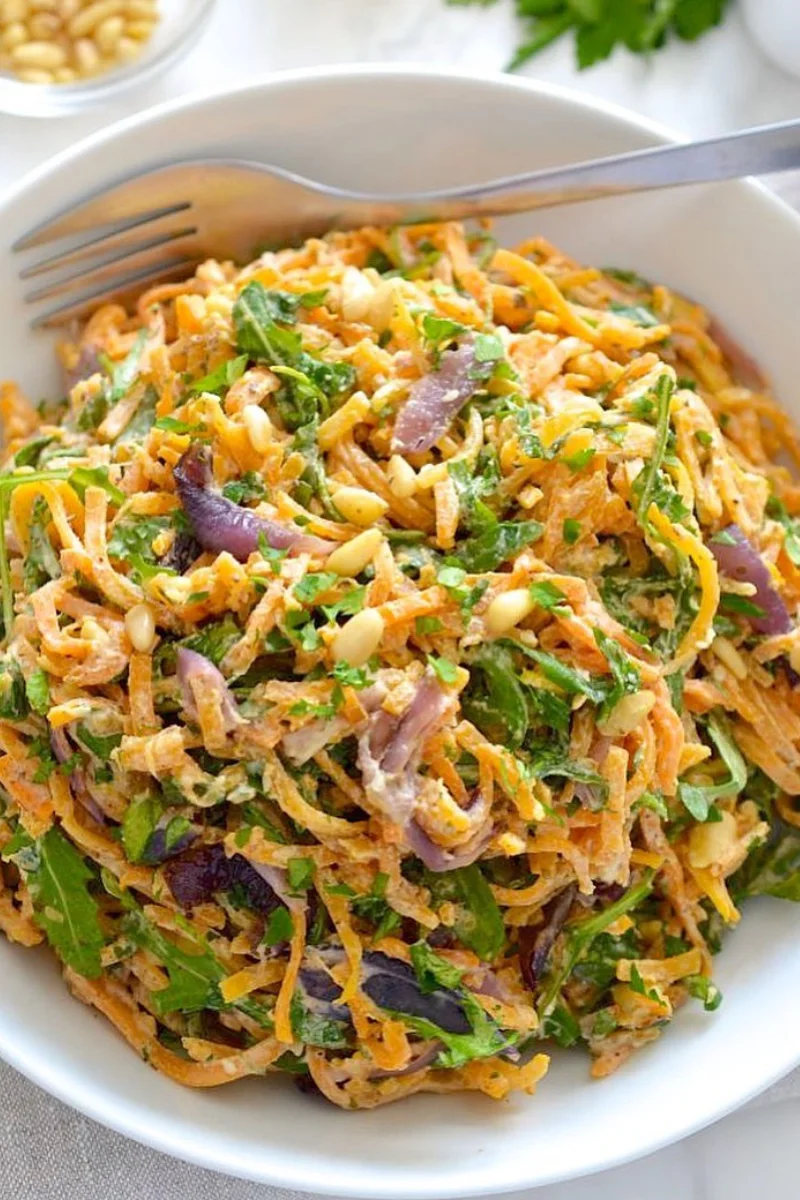
- Brown butter and sage: Swap olive oil for brown butter and add crispy fried sage leaves at the end.
- Maple and walnut: Drizzle with a half teaspoon of maple syrup before roasting and top with toasted walnuts for a fall-forward, slightly sweet version.
- Spicy italian: Toss in crumbled cooked Italian sausage during the last 5 minutes of roasting and finish with pecorino.
- Herb and lemon (dairy-free): Skip the cheese, finish with extra lemon zest, chopped parsley, and a pinch of flaky salt.
- Butternut Squash Noodles with Lemon Tahini Sauce: Whisk 3 tablespoons tahini, 2 tablespoons lemon juice, 1 small minced garlic clove, and 2-3 tablespoons warm water until smooth and pourable. Drizzle over the roasted noodles just before serving and finish with toasted sesame seeds or chopped parsley. Skip the parmesan — the tahini sauce brings its own richness, and the lemon cuts through the squash’s sweetness.
- Butternut Squash Noodles with Alfredo Sauce: Melt 2 tablespoons butter in a small saucepan, whisk in 1 minced garlic clove, then add ½ cup heavy cream and simmer 2-3 minutes until slightly thickened. Off heat, stir in ⅓ cup grated parmesan until smooth. Toss with the roasted noodles right before serving.
A quick technique note that applies to the sauced versions: add the sauce after roasting, not before. Roasting the noodles in a wet sauce brings back the moisture problem the salt-rest step was designed to solve — you’d lose all that caramelization.
Which Sauce Should You Pick?
- Choose Lemon Tahini if you want something lighter, dairy-free, and a little tangy — it works well as a side dish or as a warm salad base with greens mixed in. Good pick for a lighter lunch or a fall dinner party where you want something a bit unexpected.
- Choose Alfredo if you want this to be the main event — a genuine low-carb pasta swap that’s rich and filling. Best when you’re serving it as dinner on its own, or with grilled chicken or shrimp on top.
- Stick with parmesan and herbs (the base recipe) if you want something simple and versatile that works as a side to almost any protein without competing for attention.
What to Serve With Butternut Squash Noodles
These work as a lighter side next to roasted chicken thighs, seared salmon, or pork chops — the natural sweetness plays well against savory, well-browned proteins. To turn it into a full meal, stir in shredded rotisserie chicken or crumbled sausage right at the end, top with the Alfredo variation, or serve the tahini version over a bed of arugula with a squeeze of lemon for a warm salad.
Storage and Reheating
Store: Refrigerate in an airtight container for up to 4 days. They’ll soften somewhat as they sit. If sauced, store the sauce separately when possible and add it after reheating.
Reheat: Reheat in a hot, dry skillet for 2-3 minutes to bring back some crispness — avoid the microwave if you can, since it makes them go limp faster.
Make ahead: You can spiralize and salt-rest the squash up to a day in advance; keep it wrapped in the fridge and roast just before serving. Both sauces can also be made a day ahead and gently reheated (add a splash of water or cream to loosen the Alfredo if it thickens too much in the fridge).
FAQs
Why are my butternut squash noodles always watery? It’s almost always one of three things: skipping the salt rest, an oven that’s not hot enough (below 425°F), or overcrowding the pan so the noodles steam instead of roast.
Can I make these without a spiralizer? Yes — a julienne peeler works, or you can buy pre-spiralized squash from the produce section of most grocery stores.
Can I use the round bulb part of the squash too? Not for noodles — the shape doesn’t spiralize well. Cube it and roast it separately, or save it for soup or puree.
Are butternut squash noodles keto-friendly? They’re lower-carb than pasta but not strictly keto — butternut squash has more natural sugar than zucchini. A ½-cup serving has roughly 8-10g net carbs. The Alfredo variation is more keto-friendly than the tahini or maple versions.
Can I turn this into a full dinner? Yes — the Alfredo variation with grilled chicken or shrimp on top is the most filling option, or bulk up any variation with white beans or crumbled sausage.
| Nutrations And Servings |
|---|
|
Estimated nutrition per serving (serves 4, base recipe): ~180 calories, 4g protein, 9g fat, 22g carbohydrates |


- Be Respectful
- Stay Relevant
- Stay Positive
- True Feedback
- Encourage Discussion
- Avoid Spamming
- No Fake News
- Don't Copy-Paste
- No Personal Attacks
- Be Respectful
- Stay Relevant
- Stay Positive
- True Feedback
- Encourage Discussion
- Avoid Spamming
- No Fake News
- Don't Copy-Paste
- No Personal Attacks
