17 Outdoor Furniture Ideas That Make Your Patio Feel Like Another Room
Published: 14 Sep 2026
Outdoor furniture used to mean a plastic table and a few folding chairs, but that standard has shifted significantly as more homeowners treat their patio, deck, or backyard as genuine living space. Outdoor furniture ideas work well for anyone wanting their outdoor area to feel as intentional and comfortable as the rooms inside, whether that means a full sectional for entertaining or a single well-chosen hammock for a quiet reading spot. The right pieces also need to hold up to sun, rain, and temperature swings, which makes material choice just as important as style. This guide covers 17 outdoor furniture ideas for every space and budget, from seating and dining to smaller accent pieces. Along the way, you will find honest pros and cons, real price ranges, a materials comparison table, maintenance advice, and answers to the questions people search for most before furnishing an outdoor space. By the end, you will know exactly which pieces fit your yard, your climate, and how you actually use your outdoor space.
Is Investing in Outdoor Furniture Right for You?
Outdoor furniture ranges from a modest single-piece purchase to a full outdoor living room, so it is worth weighing the trade-offs honestly based on how much you actually use your outdoor space.
Pros
● Extends usable living space — well-furnished outdoor areas function as genuine additional rooms for entertaining, relaxing, or dining during warmer months.
● High resale and lifestyle value — a well-designed outdoor living area is consistently cited as a strong selling point, and it tends to get used more than homeowners initially expect once it is comfortable.
● Modern materials last longer than older outdoor furniture — advances in weatherproof fabric, powder-coated metal, and synthetic wicker mean furniture holds up significantly better than older generations of patio furniture.
● Can be built up in stages — outdoor spaces can be furnished incrementally, starting with core seating and adding accent pieces like a fire pit or bar cart over time.
Cons
● Weather exposure shortens furniture lifespan compared to indoor pieces — even well-made outdoor furniture requires more frequent replacement or refinishing than comparable indoor furniture.
● Quality outdoor furniture can be expensive — genuinely weather-resistant materials like teak or high-quality synthetic wicker carry a real premium over budget alternatives.
● Storage becomes a consideration in harsh climates — cushions and sometimes entire furniture pieces may need seasonal storage in regions with severe winters or storms.
● Not all styles suit every climate — certain materials and fabrics perform poorly in extreme heat, humidity, or coastal salt air, so the right choice varies more by region than most indoor furniture decisions.
For most homeowners with any usable outdoor space, investing in quality furniture is worthwhile, starting with core seating suited to your specific climate before adding secondary pieces like a fire pit set, bar cart, or hammock as budget and space allow.
1. Modular Sectional Sofa for the Patio
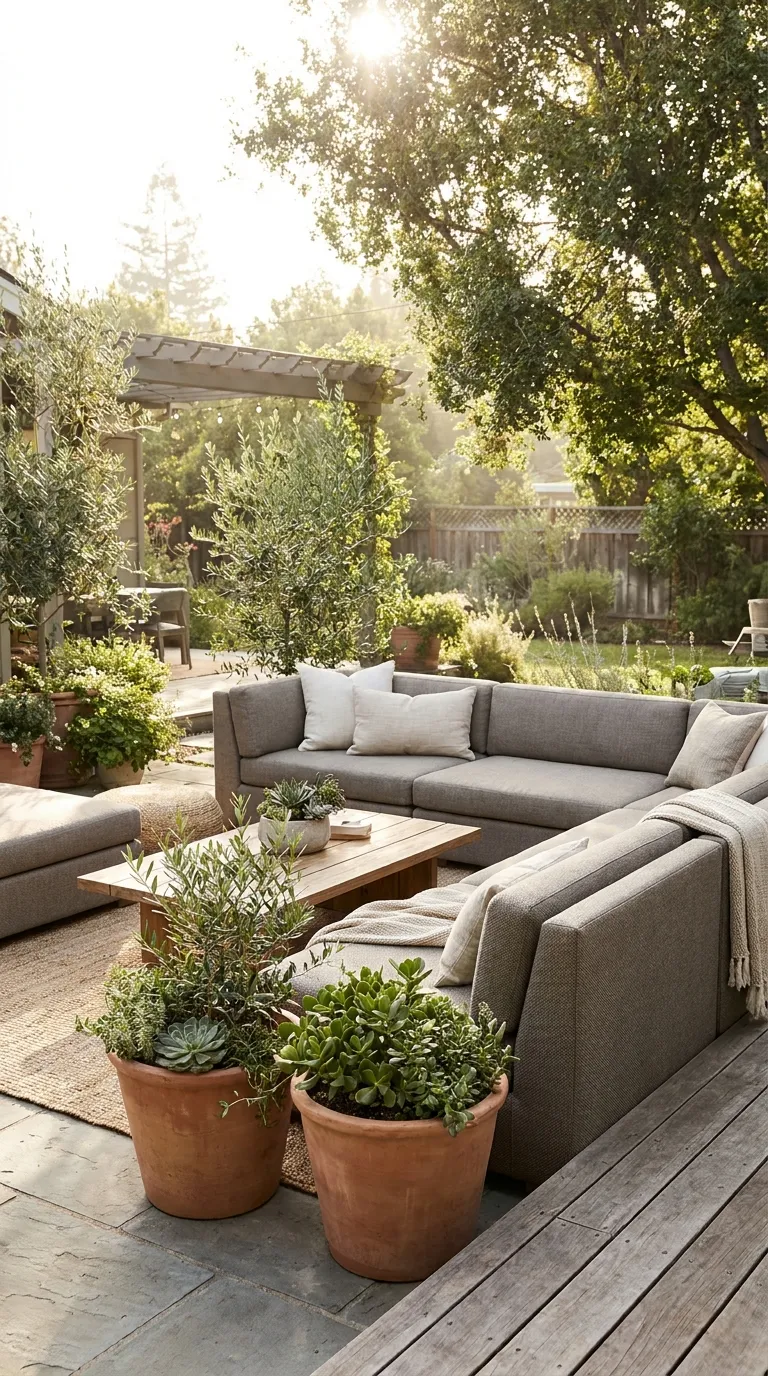
A modular sectional gives an outdoor patio the same lounging comfort as an indoor living room, and the modular pieces can be rearranged into different configurations depending on the occasion or number of guests.
Choose cushions with quick-dry foam and solution-dyed fabric covers, since these two features together are what actually determine how well outdoor upholstery holds up to rain and humidity over time.
Best suited for: larger patios and homeowners who regularly entertain or want a genuine outdoor living room.
2. Teak Dining Set
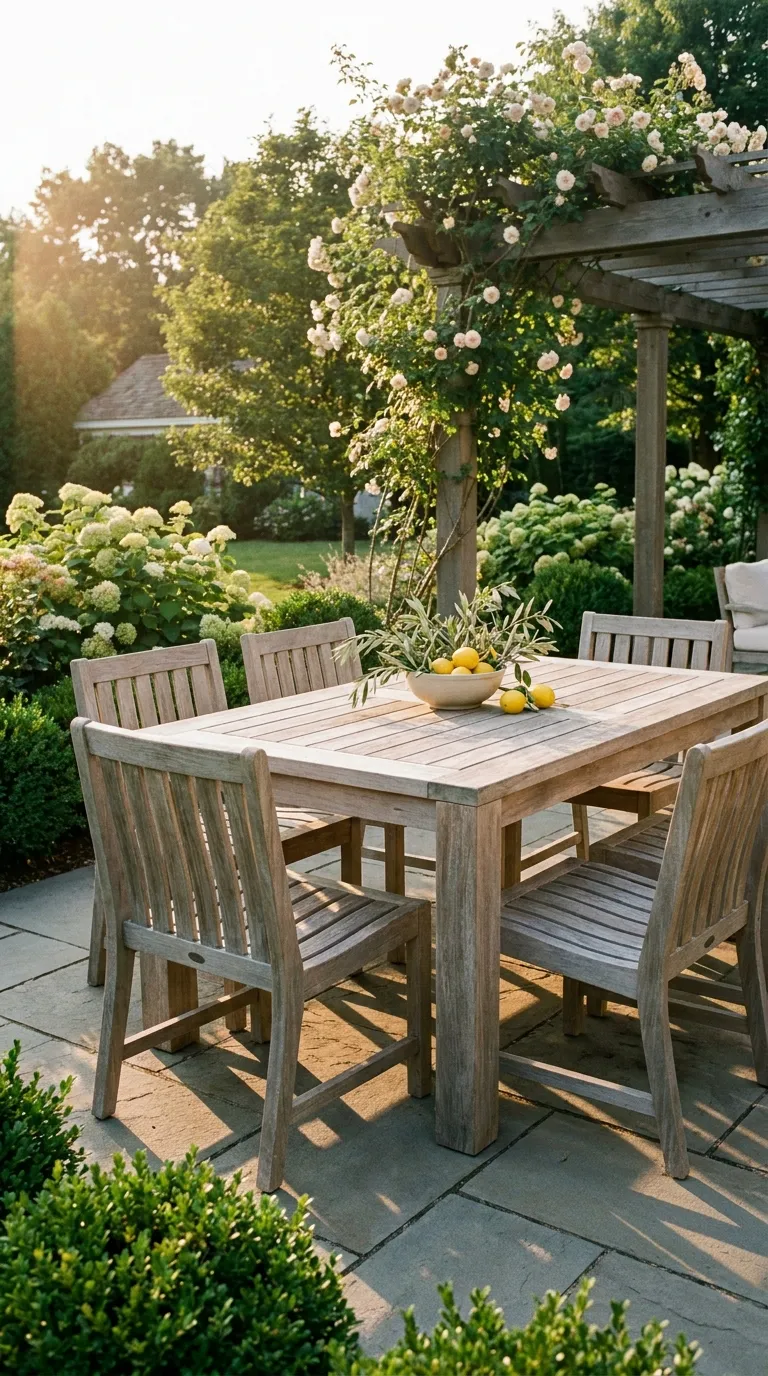
Teak is one of the most durable natural materials for outdoor furniture, naturally resisting rot and insects, and it develops an attractive silver-gray patina over time if left unsealed, which many homeowners consider part of its appeal.
Decide early whether you want to maintain teak’s original golden-brown color with regular oiling or let it weather naturally to gray, since the maintenance routine differs significantly between the two choices.
Best suited for: households wanting a long-term investment piece and outdoor dining areas used regularly for meals.
3. Woven Wicker or Rattan Lounge Chairs
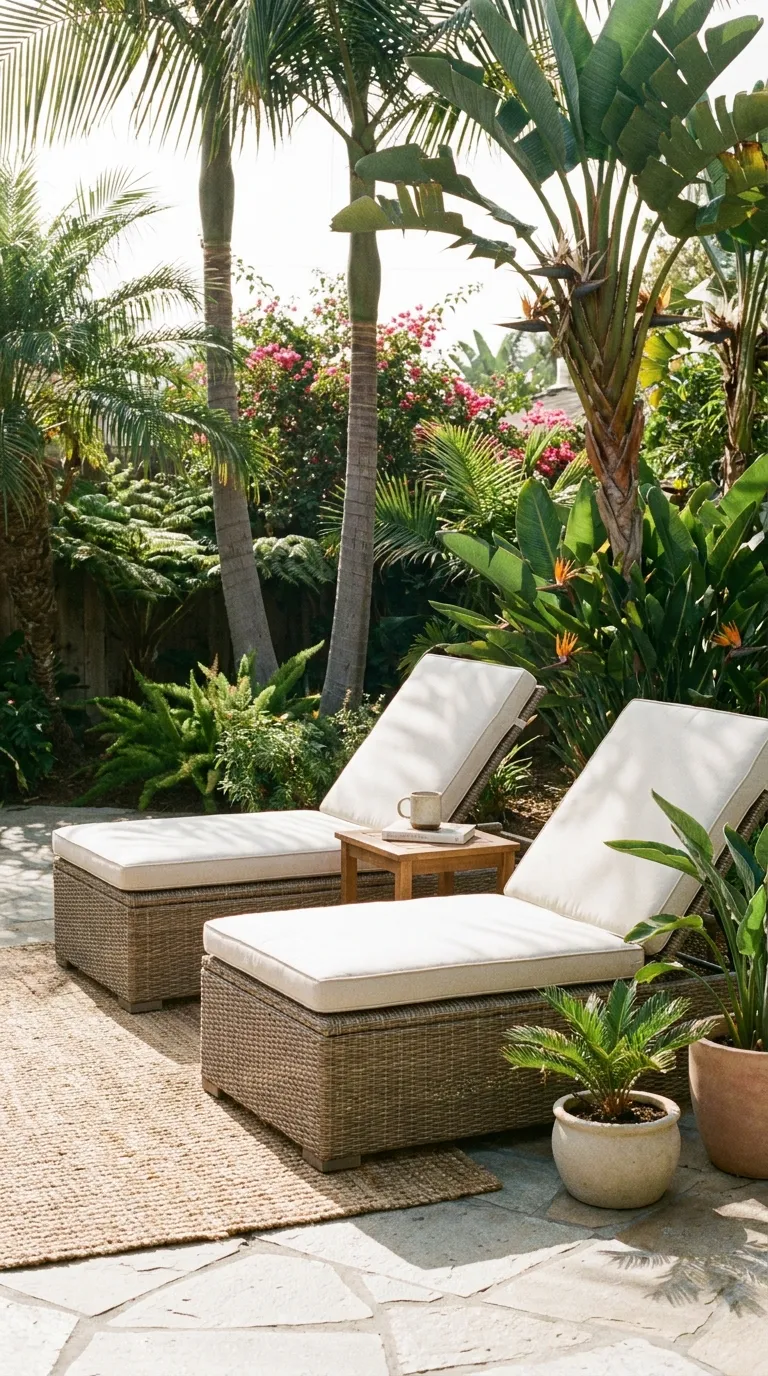
Woven wicker or rattan-style lounge chairs bring texture and a relaxed, resort-like quality to a patio, and synthetic versions specifically designed for outdoor use hold up significantly better than natural rattan in direct sun and rain.
Choose synthetic resin wicker over natural rattan for any furniture that will stay outdoors year-round, since natural rattan is better suited to covered porches or occasional outdoor use.
Best suited for: covered patios and porches, and homeowners wanting a textured, relaxed aesthetic.
4. Hanging Egg Chair
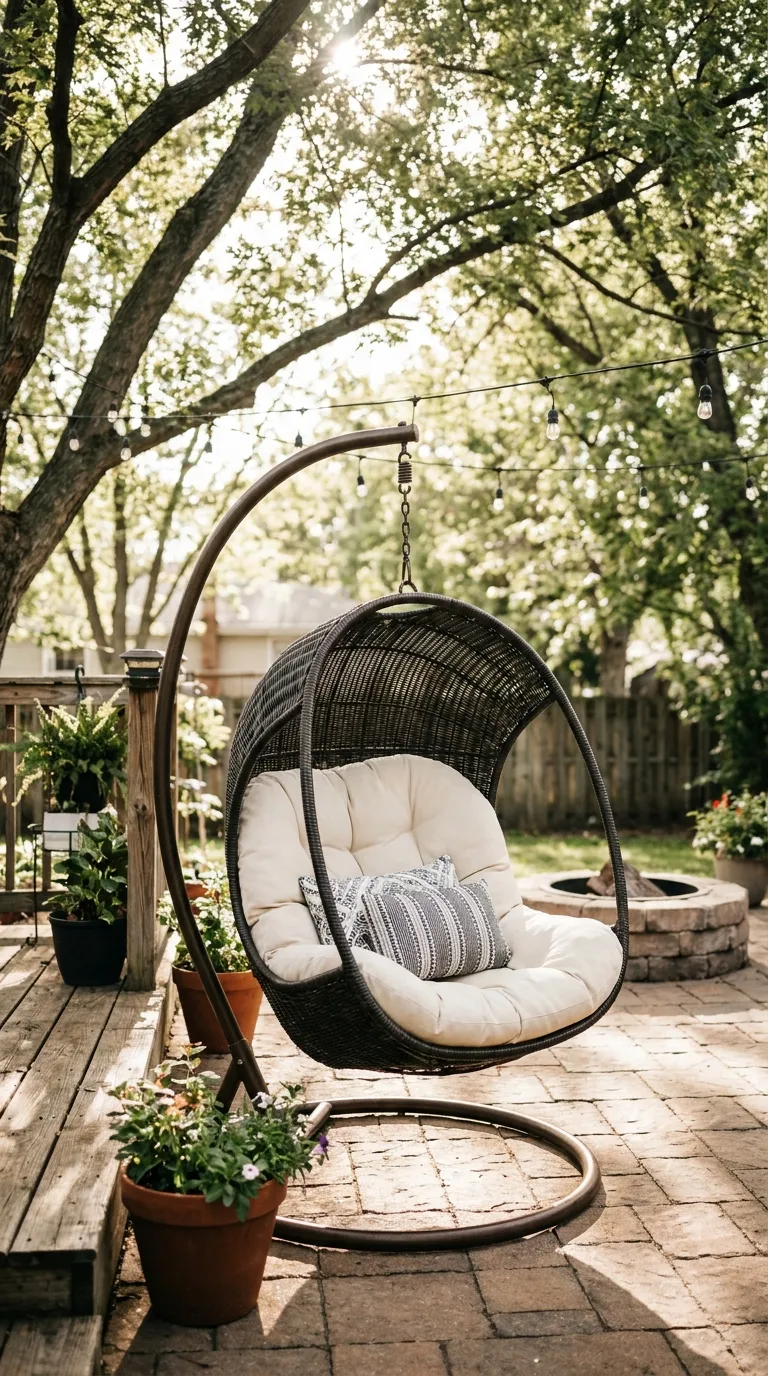
A hanging egg chair adds a playful, sculptural silhouette to a patio and offers a genuinely different lounging experience than standard seating, with a gentle swinging motion that many find especially relaxing.
Confirm the stand or mounting point is rated for the chair’s weight capacity plus an adult occupant, since improperly rated hardware is the most common safety issue with hanging furniture.
Best suited for patios with room for a stand-alone chair, and anyone wanting a distinctive statement piece beyond standard seating.
5. Fire Pit Seating Set
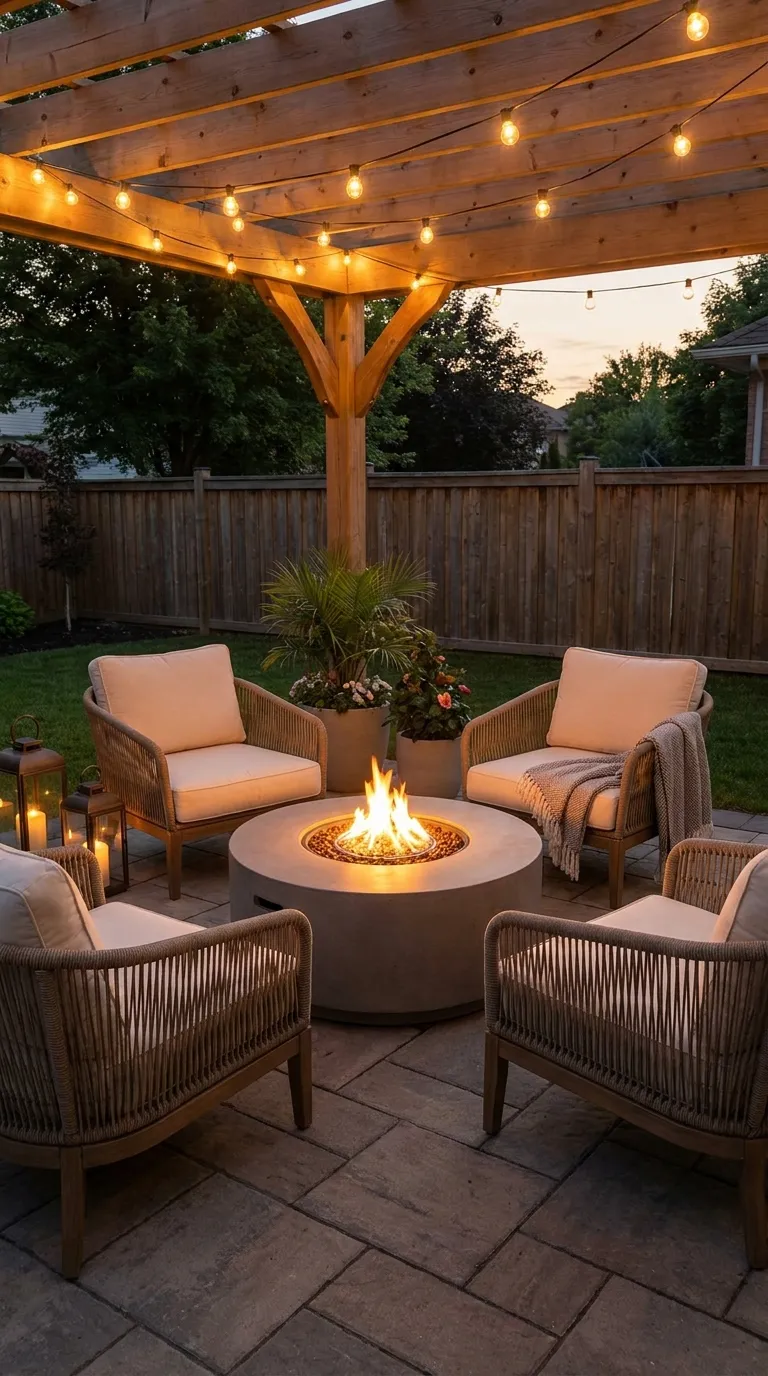
A dedicated fire pit seating set creates a natural gathering spot for cooler evenings, extending the number of months of the year the outdoor space actually gets used beyond just the warmest part of summer.
Choose chairs positioned at a comfortable conversational distance from the fire pit, generally three to four feet away, balancing warmth with enough space to avoid excessive heat exposure.
Best suited for: households in climates with cooler evenings even during the main outdoor season, and anyone who entertains after dark.
6. Outdoor Daybed
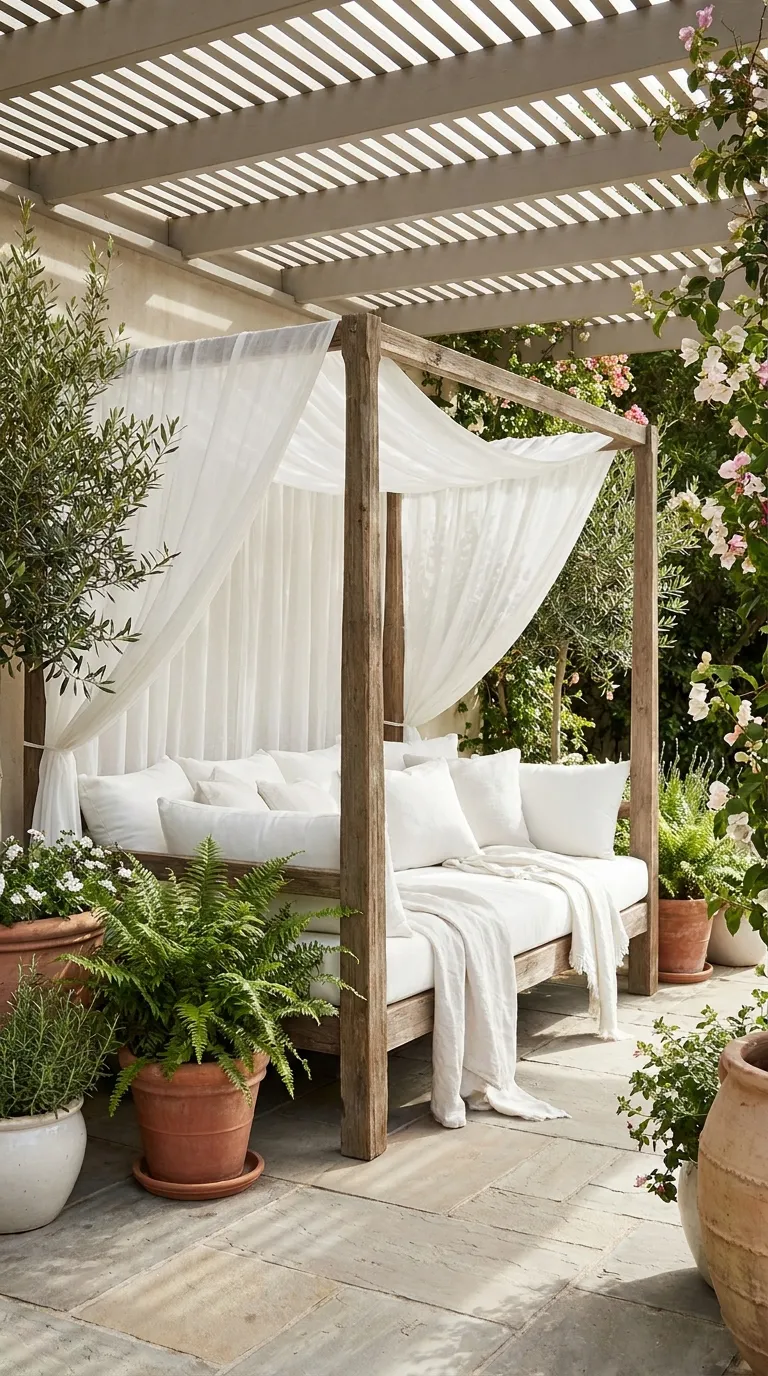
An outdoor daybed offers more flexible lounging than a standard chair, comfortably fitting one person stretched out or two people sitting together, and it often becomes the most-used piece on a patio once installed.
Position the daybed in a shaded or partially covered area if possible, since prolonged direct sun exposure will fade cushion fabric faster than in a partially protected spot.
Best suited for: patios with a shaded corner or pergola and homeowners wanting a dedicated relaxation spot separate from the main seating area.
7. Classic Adirondack Chairs
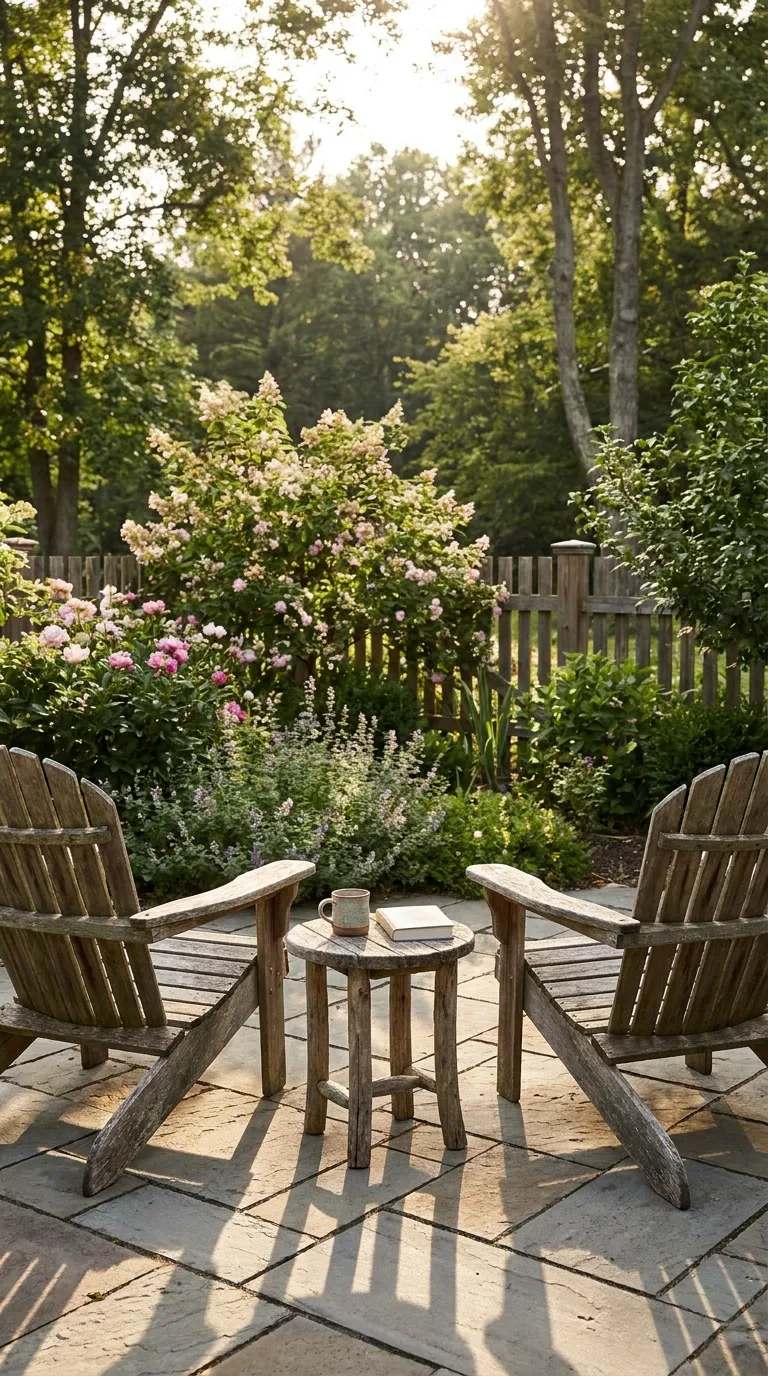
Adirondack chairs remain a classic outdoor seating choice for good reason, offering a comfortable reclined angle and a distinctive, recognizable silhouette that works in both traditional and more relaxed contemporary outdoor spaces.
Choose poly-lumber or weather-treated wood versions over untreated wood for longer-lasting durability, since poly-lumber in particular resists fading, cracking, and rot far better than standard untreated lumber.
Best suited for: yards with a view worth facing, like a garden or fire pit, and homeowners wanting a low-maintenance, classic seating option.
8. Hammock or Hammock Stand
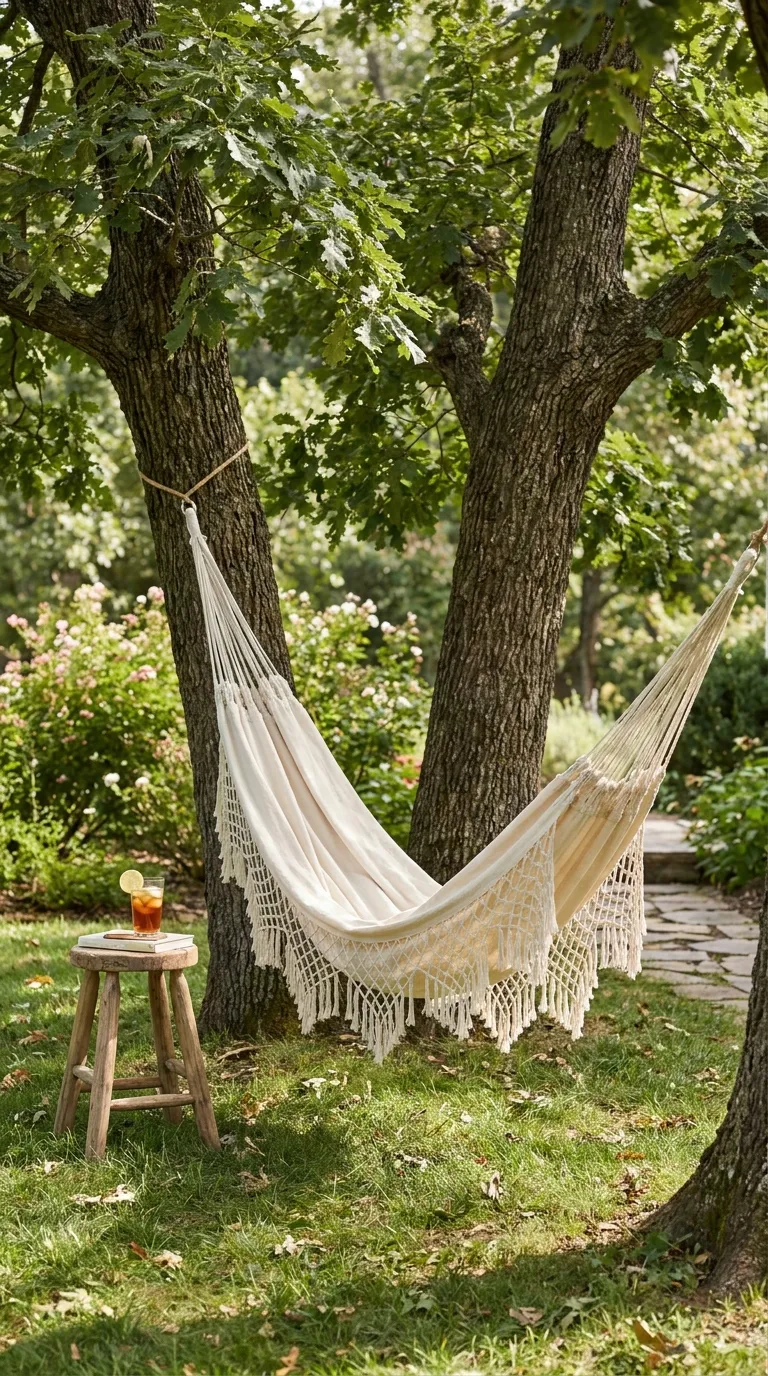
A hammock offers a genuinely different kind of outdoor relaxation than standard seating, and a freestanding stand makes the option accessible even in yards without two mature trees positioned at the right distance.
Choose quick-dry, weather-resistant hammock fabric like solution-dyed polyester rather than traditional cotton rope for a hammock that will stay outdoors regularly, since cotton absorbs and holds moisture more readily.
Best suited for: yards with either mature trees or space for a stand, and anyone wanting a low-cost, high-relaxation-value addition.
9. Outdoor Bar Cart or Serving Station
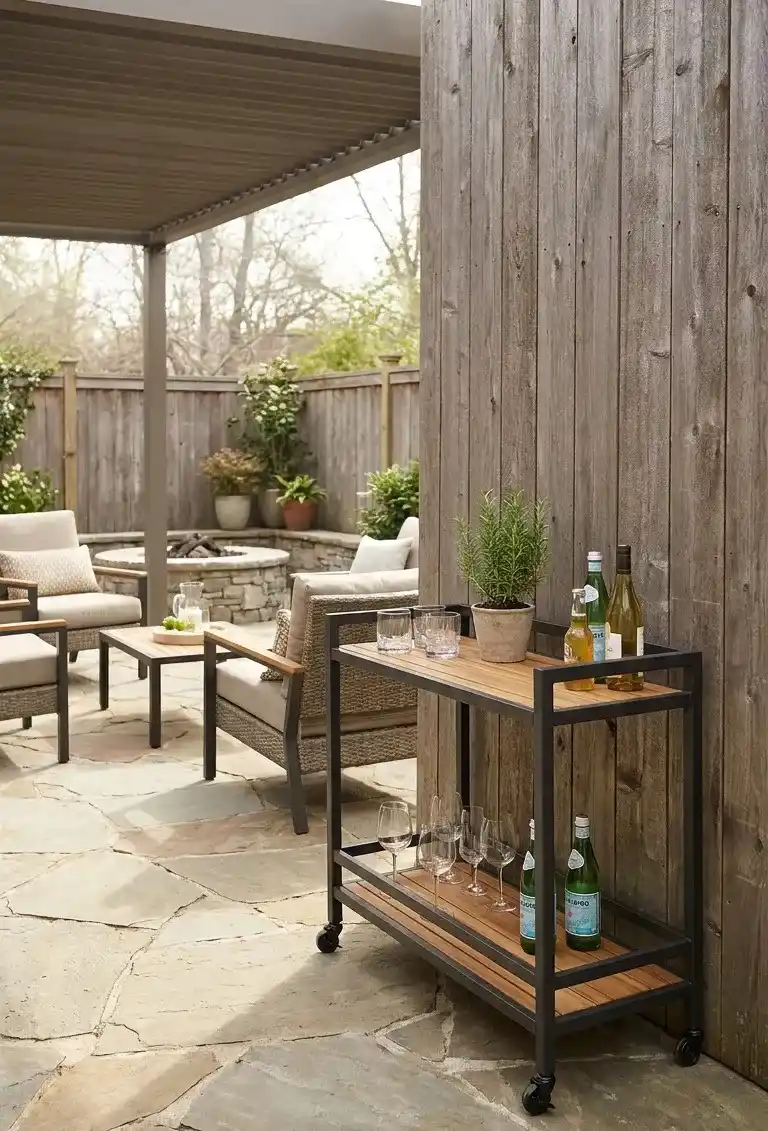
An outdoor bar cart keeps drinks and serving supplies close to the seating area without requiring trips back inside, and it functions as a natural gathering point during outdoor entertaining.
Choose a cart with a weather-resistant frame like powder-coated aluminum or teak, and store glassware indoors between uses unless it is specifically rated for continuous outdoor exposure.
Best suited for: households that entertain regularly outdoors and patios with room for a dedicated serving piece.
10. Concrete or Stone Side Tables
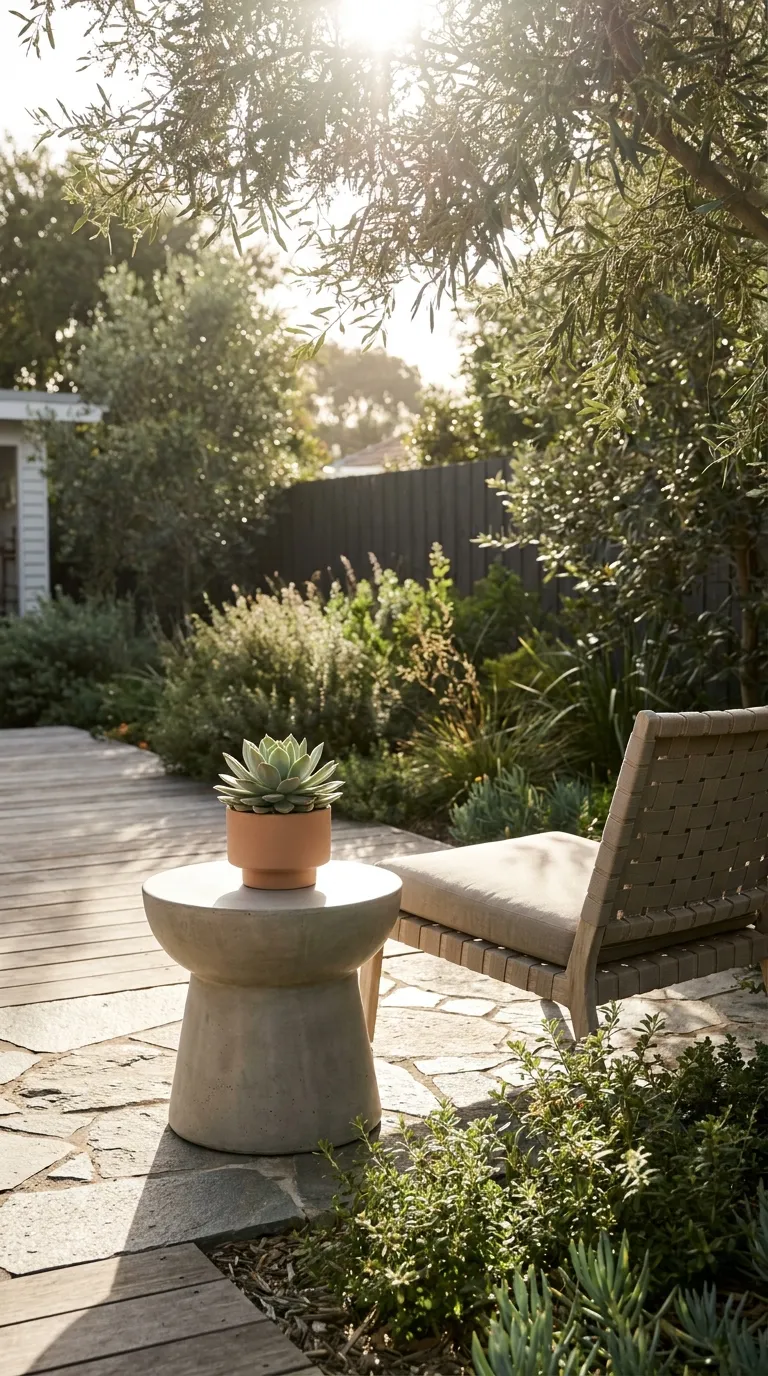
Concrete or stone side tables bring a genuinely weatherproof, low-maintenance option to a patio, since these materials are naturally resistant to sun, rain, and temperature swings without any special treatment.
Choose a table size proportional to the seating nearby, since concrete pieces are heavier and less easily repositioned than lighter metal or resin tables, making initial placement more important to get right.
Best suited for: modern and minimalist patios wanting a genuinely maintenance-free accent piece.
11. Weatherproof Outdoor Rug Pairing
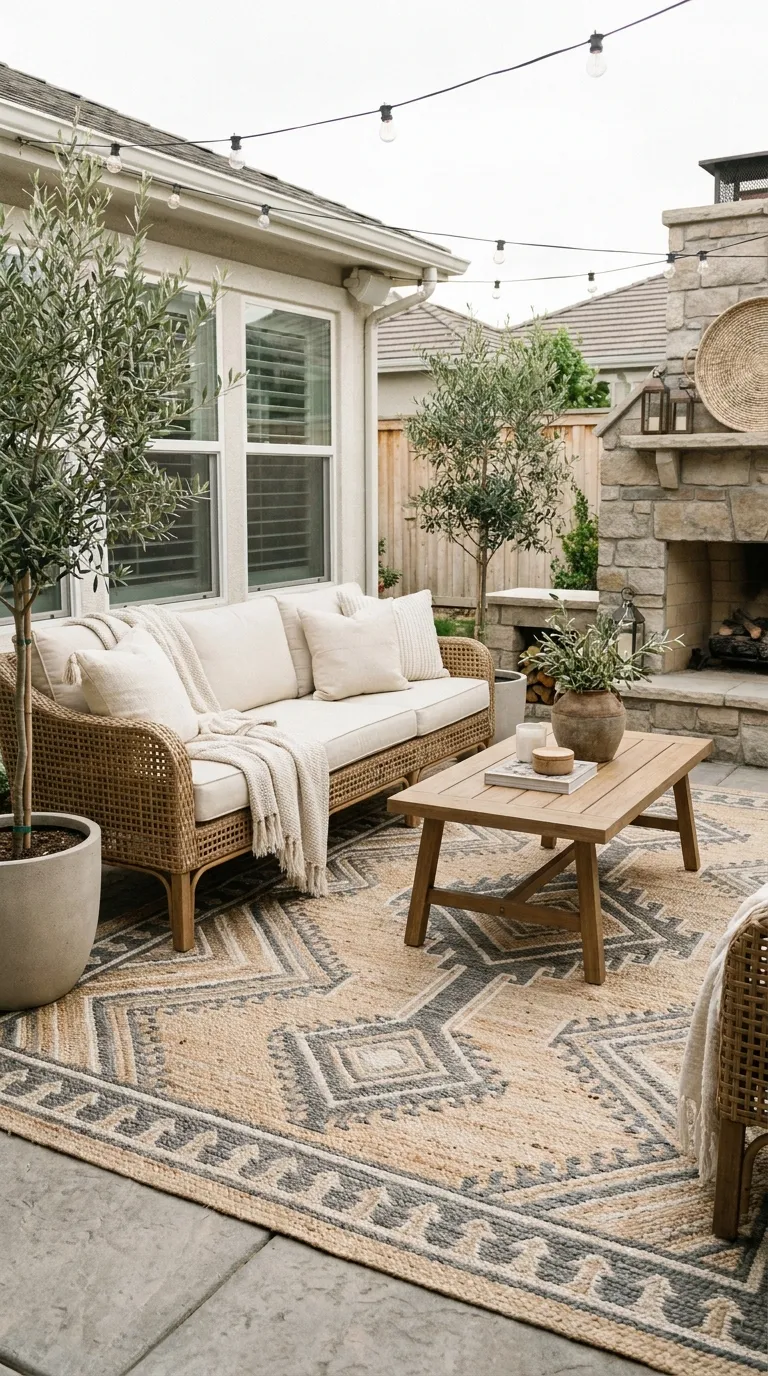
A weatherproof outdoor rug grounds a patio seating area the same way an indoor rug defines a living room, giving the furniture arrangement a clear, intentional boundary rather than floating on bare concrete or decking.
Choose a rug made from polypropylene or another quick-dry synthetic material specifically rated for outdoor use, since indoor rugs will mildew and degrade quickly when exposed to consistent moisture.
Best suited for: any covered or partially covered patio, and a relatively low-cost way to make outdoor furniture feel more finished.
12. Multi-Purpose Storage Bench
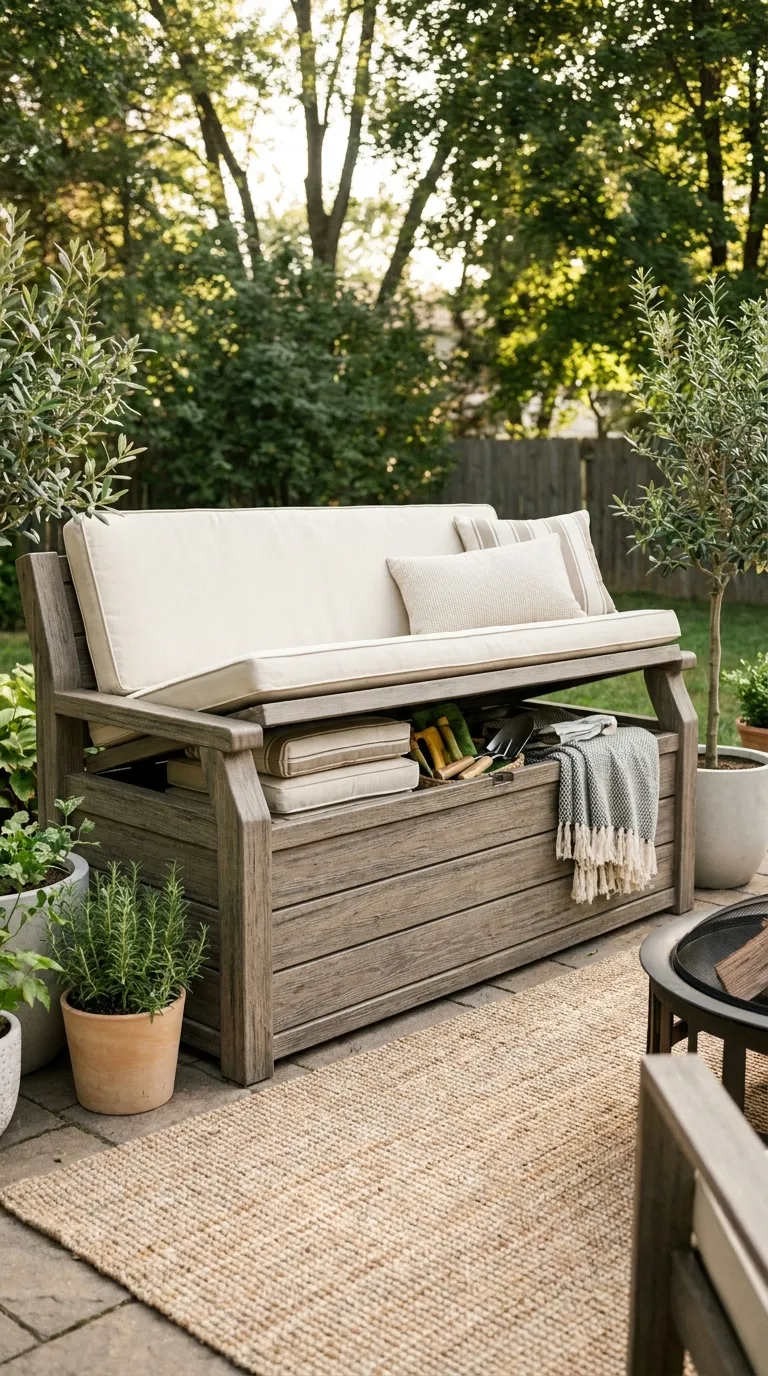
A storage bench solves two problems at once, providing additional seating while also giving you a place to store cushions, pool toys, or gardening supplies out of sight and protected from the weather.
Choose a bench with a weatherproof seal on the storage compartment, since a poorly sealed lid can let moisture inside and defeat the purpose of protected storage entirely.
Best suited for: smaller patios needing multi-functional furniture and households wanting extra outdoor storage without a separate shed.
13. Modern Sling Lounge Chairs
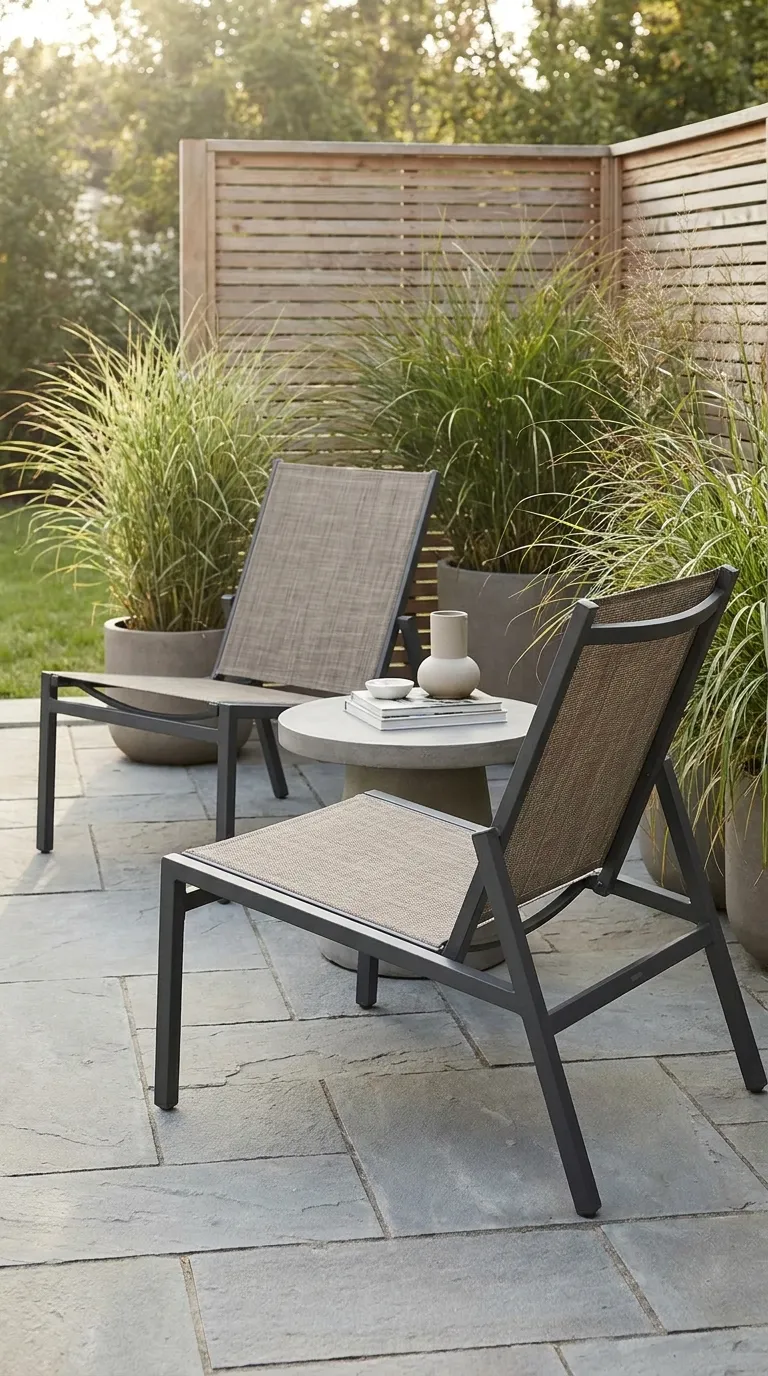
Sling chairs use a taut woven or mesh fabric stretched across a metal frame, offering a lighter, more breathable seating option than fully cushioned furniture, which can be especially comfortable in hot, humid climates.
Choose a sling fabric rated for UV resistance, since lower-quality sling material can stretch, sag, or fade noticeably faster than properly rated outdoor mesh.
Best suited for: modern patios and hot climates where breathable seating is more comfortable than heavily cushioned furniture.
14. Porch Swing or Swing Bench
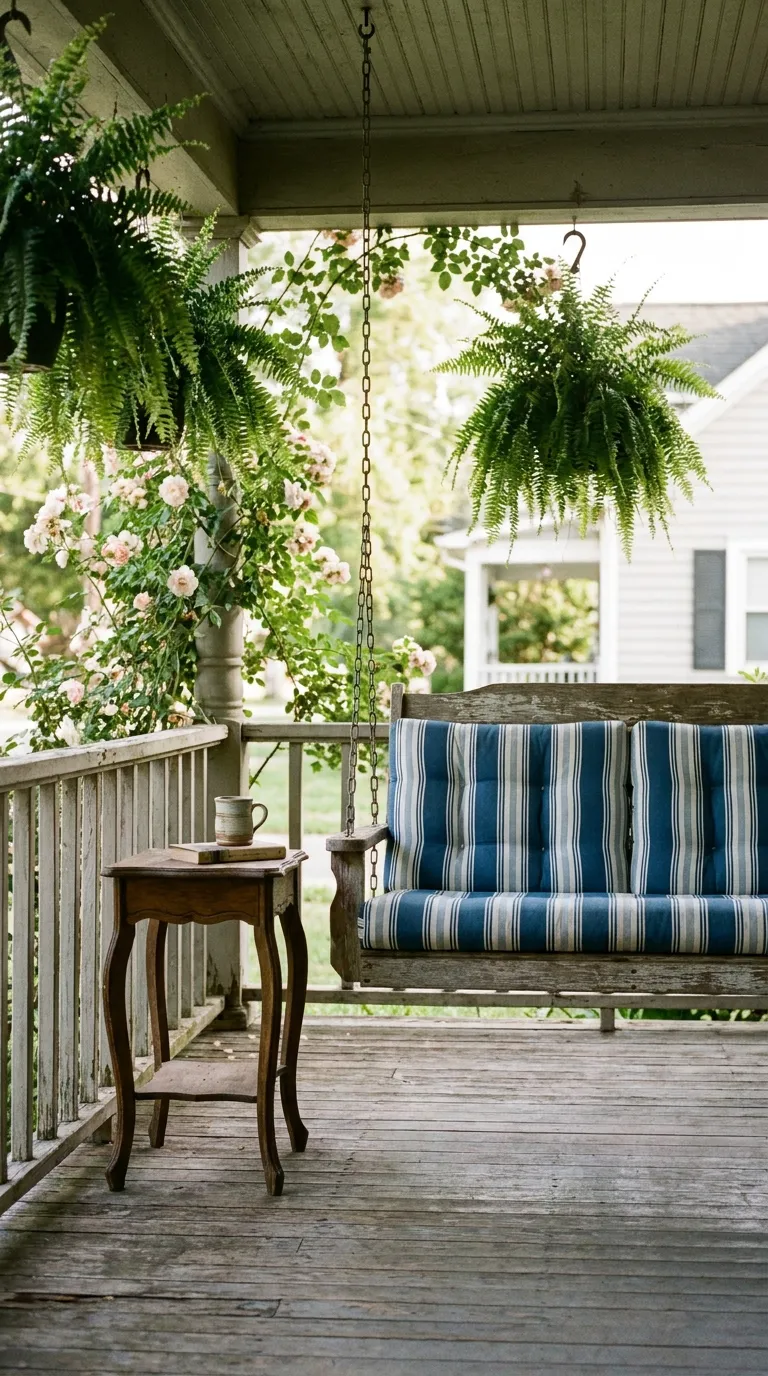
A porch swing brings a classic, nostalgic quality to an outdoor space, and the gentle swinging motion offers a distinctly relaxing seating experience that stationary furniture cannot replicate.
Confirm that the porch ceiling or support beam can handle the swing’s weight rating plus occupants before installation, since this is a genuine structural consideration rather than a simple furniture placement decision.
Best suited for: covered porches with adequate structural support and traditional or farmhouse-style homes.
15. Outdoor Poufs and Ottomans
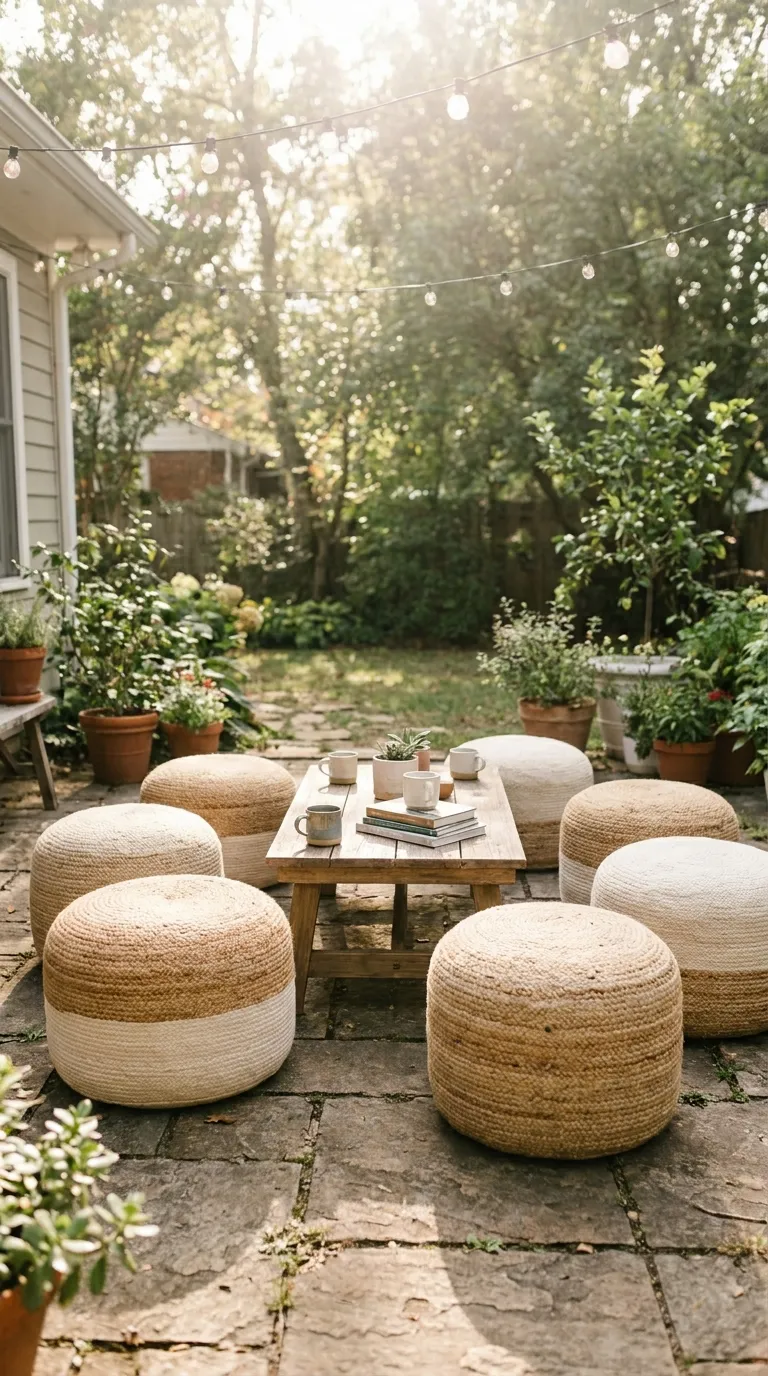
Outdoor poufs and ottomans offer flexible, easily moved extra seating or footrests, which are especially useful for larger gatherings where fixed furniture alone might not accommodate every guest comfortably.
Choose poufs with weather-resistant filling, like closed-cell foam, rather than standard indoor filling, since materials not rated for outdoor use can absorb moisture and develop mold over time.
Best suited for: patios wanting flexible seating capacity and smaller spaces where lightweight, easily stored pieces make more sense than additional fixed chairs.
16. Foldable and Space-Saving Furniture
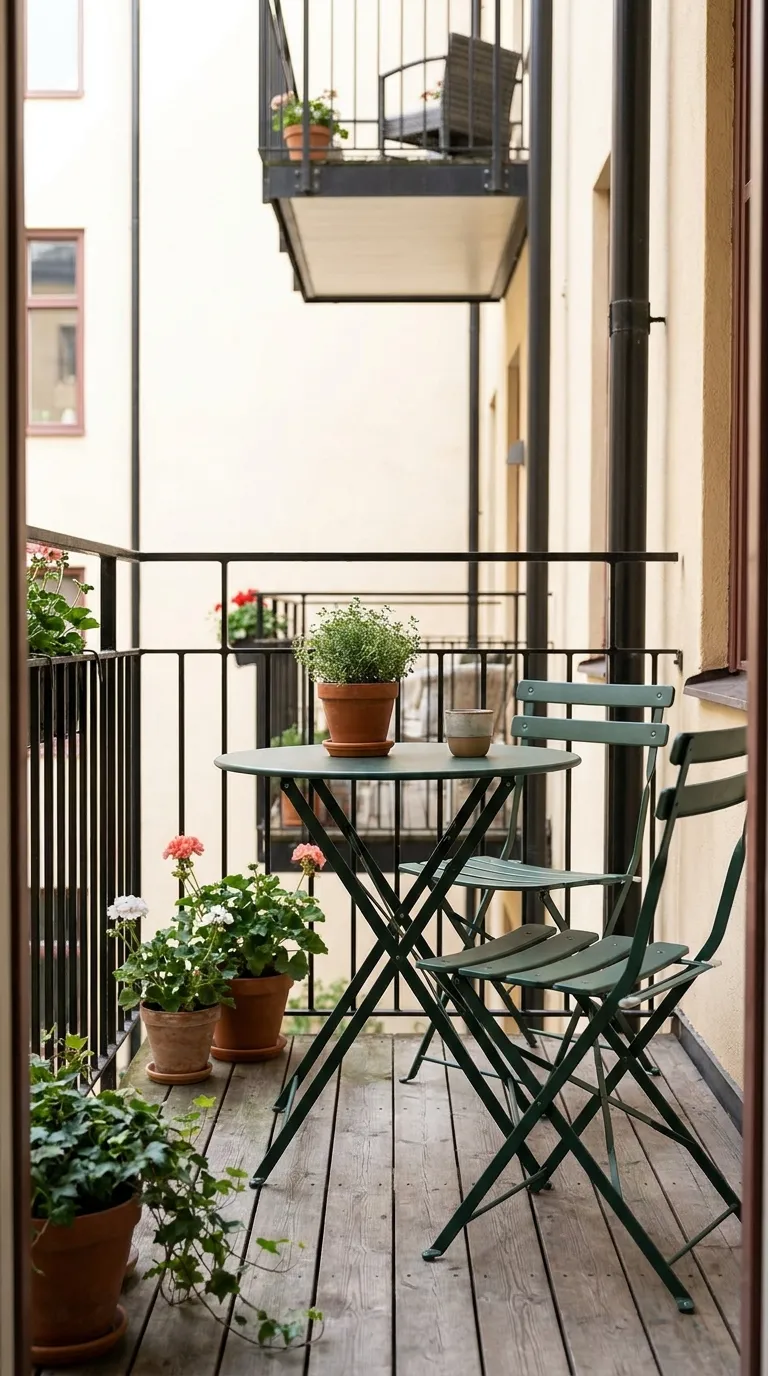
Foldable and stackable furniture solves the space constraints of a small balcony or patio, allowing the area to be fully cleared when not in use rather than permanently occupied by fixed furniture.
Choose foldable pieces with a genuinely sturdy locking mechanism rather than the most affordable option available, since flimsy folding hardware is the most common failure point in this furniture category.
Best suited for: small balconies, apartment patios, and any outdoor space needing to serve multiple purposes.
17. Built-In Bench Seating With Cushions
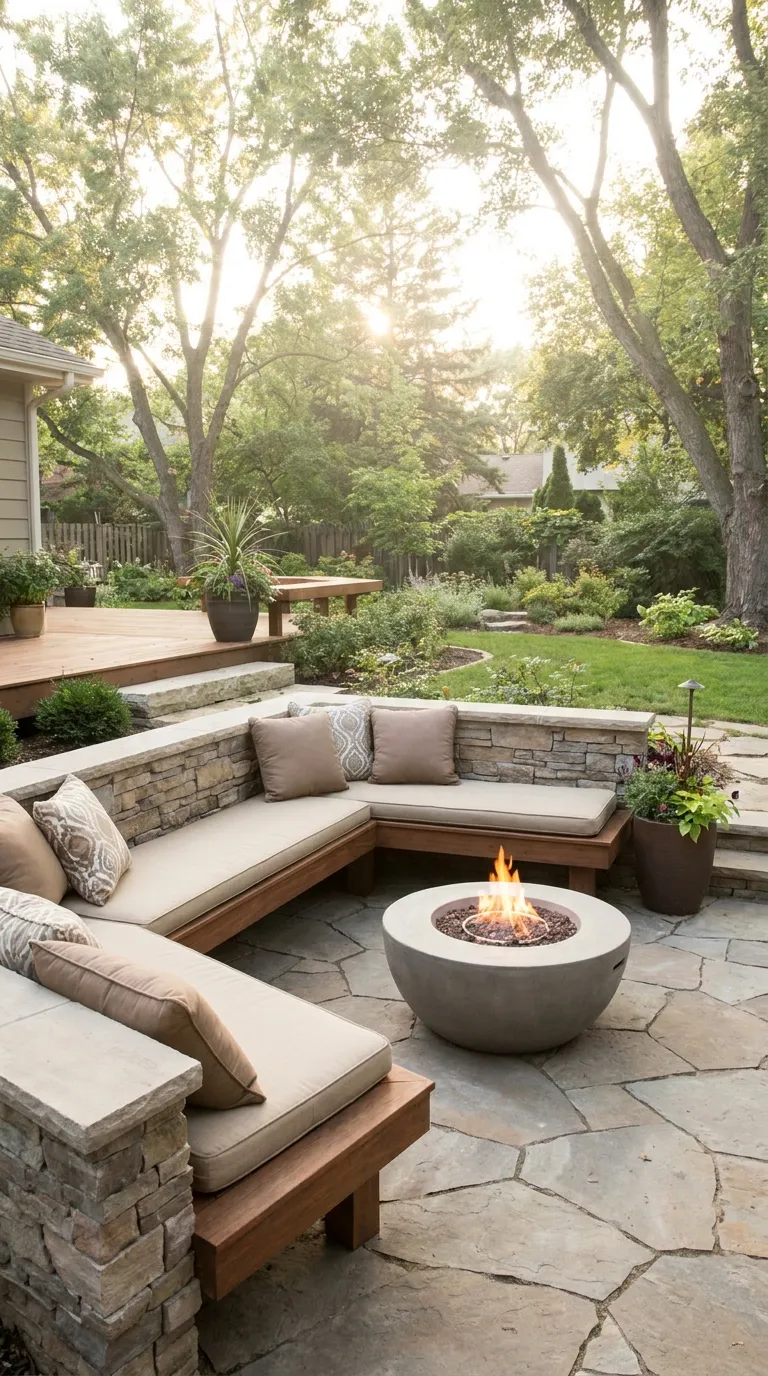
Built-in bench seating, often incorporated into a retaining wall or deck edge, maximizes seating capacity in a fixed footprint while giving the outdoor space a more custom, architecturally integrated feel than freestanding furniture alone.
Add weatherproof cushions rather than relying on the built-in structure alone for comfort, and plan for cushion storage or covers to protect them during off-season months or severe weather.
Best suited for: larger patio or deck renovations and homeowners wanting a permanent, high-capacity seating solution.
Planning and Buying Tips
A few practical decisions up front will help your outdoor furniture hold up to your specific climate rather than needing early replacement.
● Match materials to your climate first — coastal areas need corrosion-resistant metal and hardware, hot climates benefit from breathable sling or wicker seating, and colder climates need furniture and cushions that can handle freeze-thaw cycles or be stored seasonally.
● Standard sizing to shop for — outdoor dining tables typically need 24 inches of table length per person, and a comfortable seating area needs at least 3 feet of clearance around furniture for walking space.
● Check fabric and foam ratings specifically, not just the word ‘outdoor’ — look for solution-dyed acrylic fabric and quick-dry, closed-cell foam, since these two specifications matter more than general marketing claims.
● Plan for cushion storage in harsh climates — a storage bench, deck box, or simply bringing cushions indoors seasonally significantly extends the lifespan of outdoor upholstery.
● Consider weight and portability if furniture needs to move seasonally — lighter aluminum frames are easier to store or reposition than heavier teak or concrete pieces, which matters in regions requiring seasonal storage.
● Measure your space before buying a sectional or large dining set — outdoor furniture often looks smaller in a showroom or online listing than it does once placed in an actual patio footprint.
Cost Breakdown: Budget, Mid-Range, and Luxury Furniture
Outdoor furniture costs vary significantly by material and piece type, with a wide range between budget synthetic options and premium natural materials like teak.
Budget ($50–$500)
Foldable furniture, outdoor poufs, a basic hammock, and resin Adirondack chairs fall in this range. Assembly is typically DIY with no additional installation cost.
Mid-Range ($500–$3,000)
A quality sling lounge set, a fire pit seating group, a woven wicker set, and a mid-size sectional sit in this tier. Delivery and basic assembly typically add $50–$200 depending on the retailer and piece size.
Luxury / Premium ($3,000–$15,000+)
A full teak dining set, a large modular sectional, a hanging egg chair with a custom stand, and built-in bench seating fall here. Built-in seating in particular often requires professional installation, typically adding $1,500–$5,000 depending on materials and scope.
Material Comparison for Outdoor Furniture
| Material | Price Range | Durability | Maintenance | Best For |
| Teak wood | $300–$3,000+ per piece | Very high — decades with care | Moderate — periodic oiling if maintaining color | Long-term investment dining and lounge furniture |
| Synthetic resin wicker | $150–$1,500 per piece | High | Low | Textured seating that holds up to sun and rain |
| Powder-coated aluminum | $100–$1,200 per piece | Very high | Low | Lightweight, low-maintenance frames |
| Poly-lumber (Adirondack style) | $150–$500 per piece | Very high | Very low | Classic style with minimal upkeep |
| Concrete/stone | $100–$600 per piece | Very high | Very low | Fully weatherproof accent tables |
| Sling/mesh fabric seating | $150–$800 per piece | Moderate to high | Low | Hot, humid climates need breathable seating |
Maintenance Tips
● Teak furniture — clean with mild soap and water periodically, and apply teak oil every few months to maintain the original golden color, or simply let it weather to a natural silver-gray patina with minimal upkeep.
● Cushions and fabric — rinse chlorine, sunscreen, and dirt off cushions regularly, and store or cover them during off-season months or severe weather to significantly extend their lifespan.
● Metal frames — rinse periodically to remove dirt and salt buildup, especially in coastal areas, and touch up any chipped powder coating promptly to prevent rust from starting at exposed metal.
● Wicker and sling seating — wipe down with mild soap and water, and avoid abrasive cleaners that can damage the synthetic fibers or fabric coating over time.
● Concrete and stone pieces — occasionally seal porous concrete surfaces to prevent staining, though these materials generally require the least ongoing maintenance of any option on this list.
● Common mistake to avoid — leaving cushions and furniture uncovered through winter storms or freeze-thaw cycles in colder climates, which is one of the fastest ways to shorten the lifespan of otherwise durable outdoor furniture.
Frequently Asked Questions
What is the most durable material for outdoor furniture?
Teak, powder-coated aluminum, and poly-lumber are generally considered among the most durable outdoor furniture materials, each resisting rot, rust, or fading significantly better than untreated wood or lower-quality plastic alternatives.
How do I protect outdoor furniture cushions from rain?
Choose cushions with quick-dry foam and solution-dyed, water-resistant fabric covers, and store them in a deck box, storage bench, or indoors during extended periods of rain or the off-season to prevent mold and fabric degradation.
Should I choose teak or synthetic wicker for a patio set?
Teak offers a higher-end natural look and exceptional longevity but requires more upfront investment, while synthetic wicker generally costs less and requires less maintenance while still holding up well to consistent outdoor exposure.
How much does it cost to furnish a patio?
Furnishing a patio can range from a few hundred dollars for foldable or basic seating to $3,000 to $15,000 or more for a full modular sectional, dining set, and accent pieces, depending on materials and the size of the space.
Do I need to bring outdoor furniture inside for winter?
In climates with harsh winters, it is generally recommended to bring cushions indoors or into covered storage, and depending on the material, some furniture pieces, particularly wicker and certain fabrics, benefit from full winter storage or a weatherproof cover.
How to Choose the Right Outdoor Furniture for You
The right combination of pieces depends on three factors: your climate, your available space, and how you actually plan to use the outdoor area. Hot, humid climates benefit from breathable sling or wicker seating, while colder regions should prioritize furniture and cushions that can handle seasonal storage or harsh weather exposure.
Budget should guide sequencing more than final scope — start with core seating suited to your climate and daily use, then add secondary pieces like a fire pit, bar cart, or hammock as budget allows, rather than trying to furnish the entire space at once.
Finally, think honestly about maintenance tolerance. If you want a genuinely low-upkeep outdoor space, prioritize materials like poly-lumber, aluminum, and concrete over higher-maintenance natural wood or delicate textiles that require more regular care.
Start with the one piece that would get your outdoor space used the most right now, whether that is comfortable seating, a dining set, or a place to relax, and build out from there — a well-furnished outdoor space comes together through a series of intentional choices matched to your climate, not a single all-at-once purchase.


- Be Respectful
- Stay Relevant
- Stay Positive
- True Feedback
- Encourage Discussion
- Avoid Spamming
- No Fake News
- Don't Copy-Paste
- No Personal Attacks
- Be Respectful
- Stay Relevant
- Stay Positive
- True Feedback
- Encourage Discussion
- Avoid Spamming
- No Fake News
- Don't Copy-Paste
- No Personal Attacks
