20 Outdated Home Decor Trends You Should Ditch in 2026
Published: 29 Aug 2026
Every home accumulates a few design choices that felt fresh when they were installed but now quietly date the whole space, even if you can’t always put your finger on why a room feels tired. Outdated home decor trends are worth identifying because spotting them is the fastest way to figure out what’s actually holding your home back; often the fix is smaller and cheaper than a full remodel. Whether you’re prepping to sell, refreshing a room you’ve stopped loving, or just want your home to feel more current, knowing what to look for makes all the difference.
This guide walks through 20 home decor trends that have officially had their moment, what’s replacing them, and how to prioritize updates by cost and impact. You’ll also find planning tips, real price ranges, a side-by-side comparison table, and answers to the most common questions about refreshing a dated home.
Should You Update Outdated Decor Right Away?
Not every outdated trend needs to be fixed immediately, so it helps to weigh cost, effort, and impact before you start tearing things out.
Pros
● Updating high-visibility areas like ceilings and paint colors delivers the biggest visual impact for the cost
● Many outdated trends can be refreshed with paint or hardware swaps rather than full replacement
● Removing dated finishes generally increases buyer appeal if you’re preparing to sell
● Smaller updates, like light fixtures or cabinet hardware, are inexpensive and fast to complete
● A refreshed home tends to feel more cohesive once mismatched trends from different eras are removed
Cons
● Structural items like popcorn ceilings or built-in features cost more and take longer to update
● Not every outdated trend is worth removing if you personally still love it
● Chasing every new trend immediately can be just as costly as ignoring dated ones
● Some updates, like countertops or flooring, require professional installation and a real budget
● Removing certain trends, like textured ceilings, may involve hazardous materials in older homes that need testing first
If you’re planning to sell within the next year or two, prioritize the trends buyers notice first: paint color, lighting, and countertops. If you’re staying put, update whatever bothers you most and take your time with the rest.
1. Popcorn Ceilings
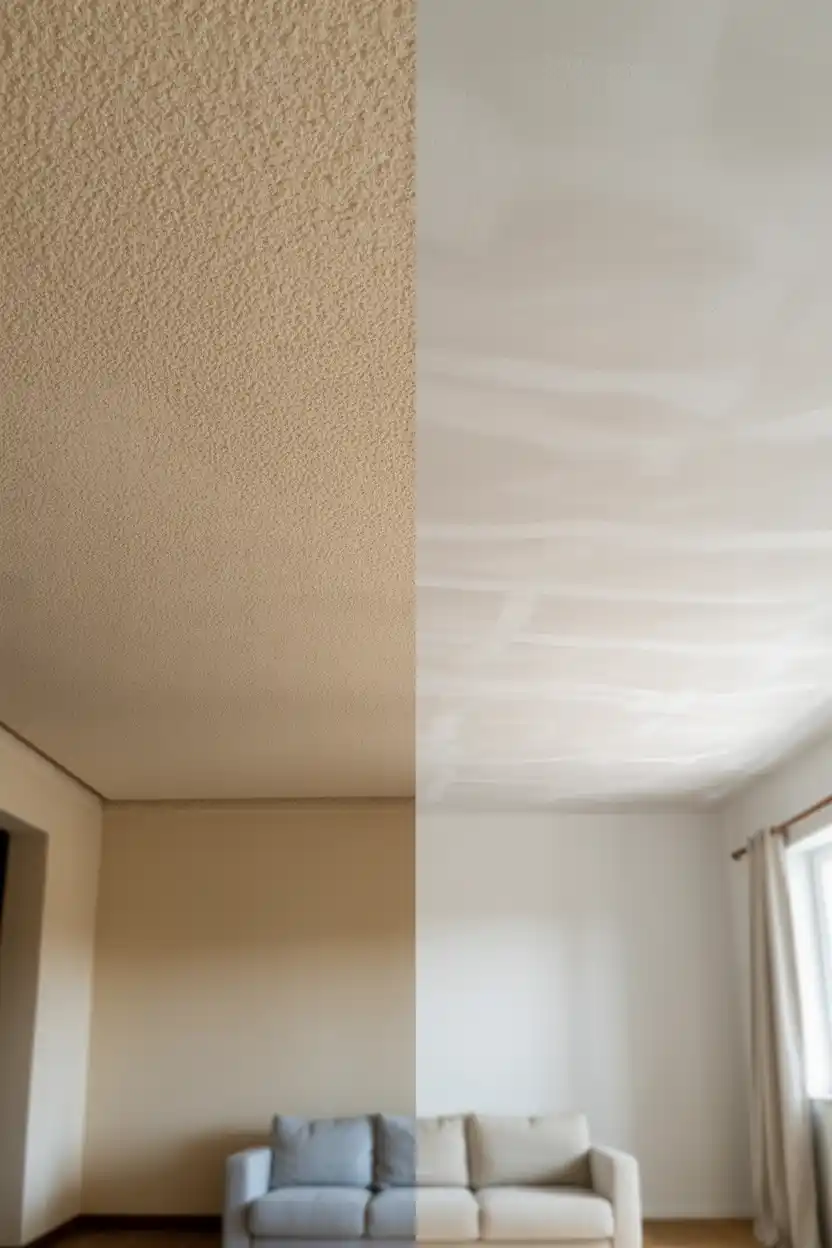
Popcorn ceilings were a fast, cheap way to hide imperfections decades ago, but the heavy texture now reads as dated and makes rooms feel visually busy and lower-ceilinged than they actually are.
Smooth, skim-coated ceilings are the modern standard and instantly make a room feel brighter and more current. Homes built before the 1990s should be tested for asbestos before any popcorn ceiling removal begins.
2. All-Over ‘Builder Beige’ Paint
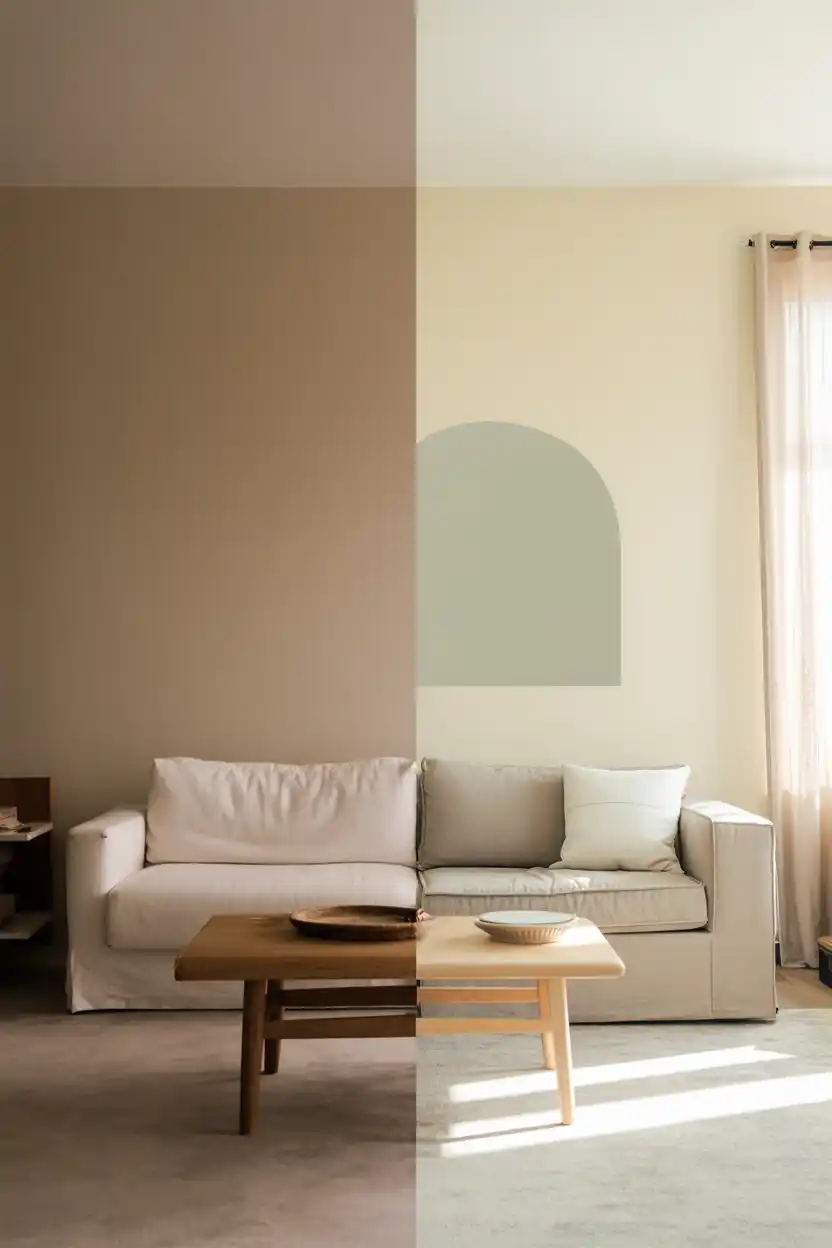
Flat, uniform beige on every wall was the default builder-grade choice for years, but it now reads as a placeholder color rather than an intentional design decision.
Warm off-whites, soft greens, and deeper accent tones on a single wall bring far more personality for roughly the same cost as a beige repaint. It’s one of the most affordable updates on this list.
3. Barn Doors as Interior Doors
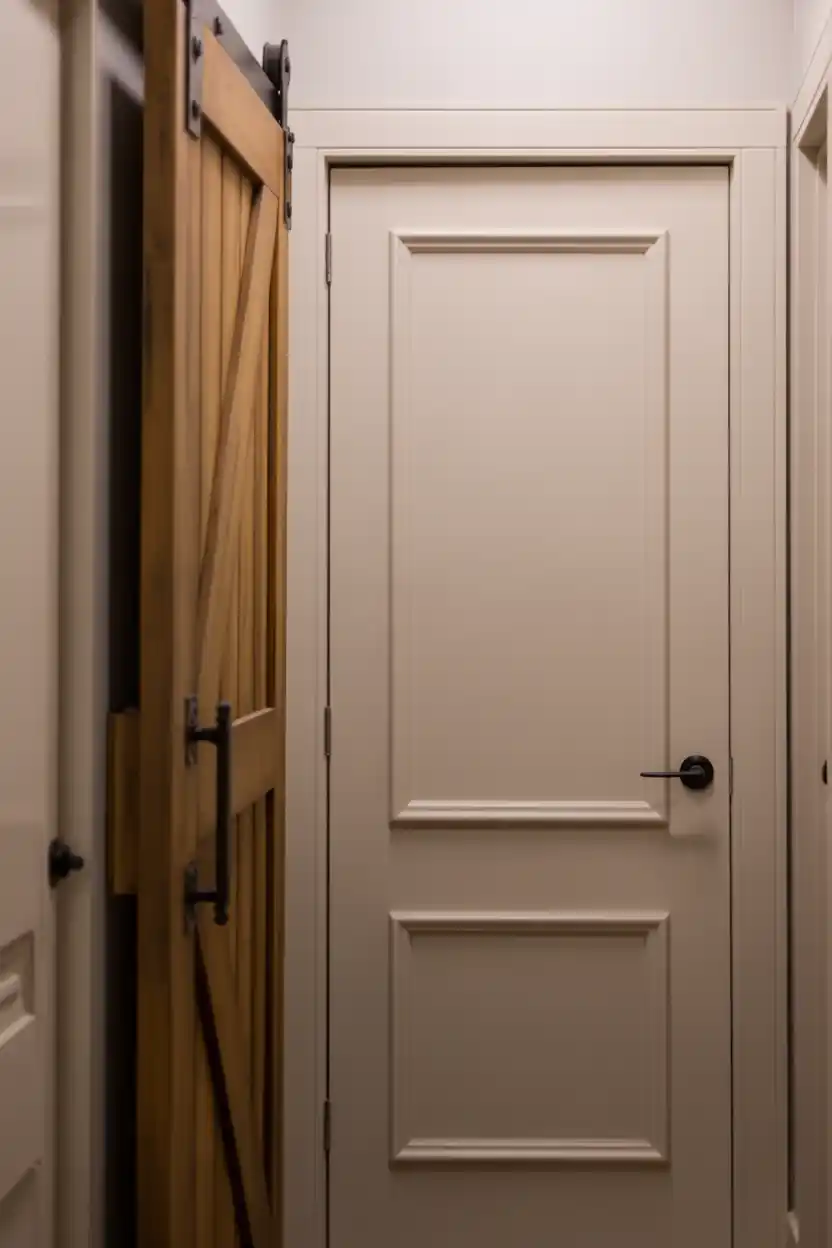
Barn doors surged in popularity for closets and bathrooms, but they’ve become so common in builder-grade renovations that they now read as a trend rather than an architectural choice.
Standard swing doors or slim pocket doors offer better sound and light privacy and feel more timeless. Barn doors still make sense functionally in truly tight spaces, but a simpler door style dates a home less.
4. Shiplap on Every Wall
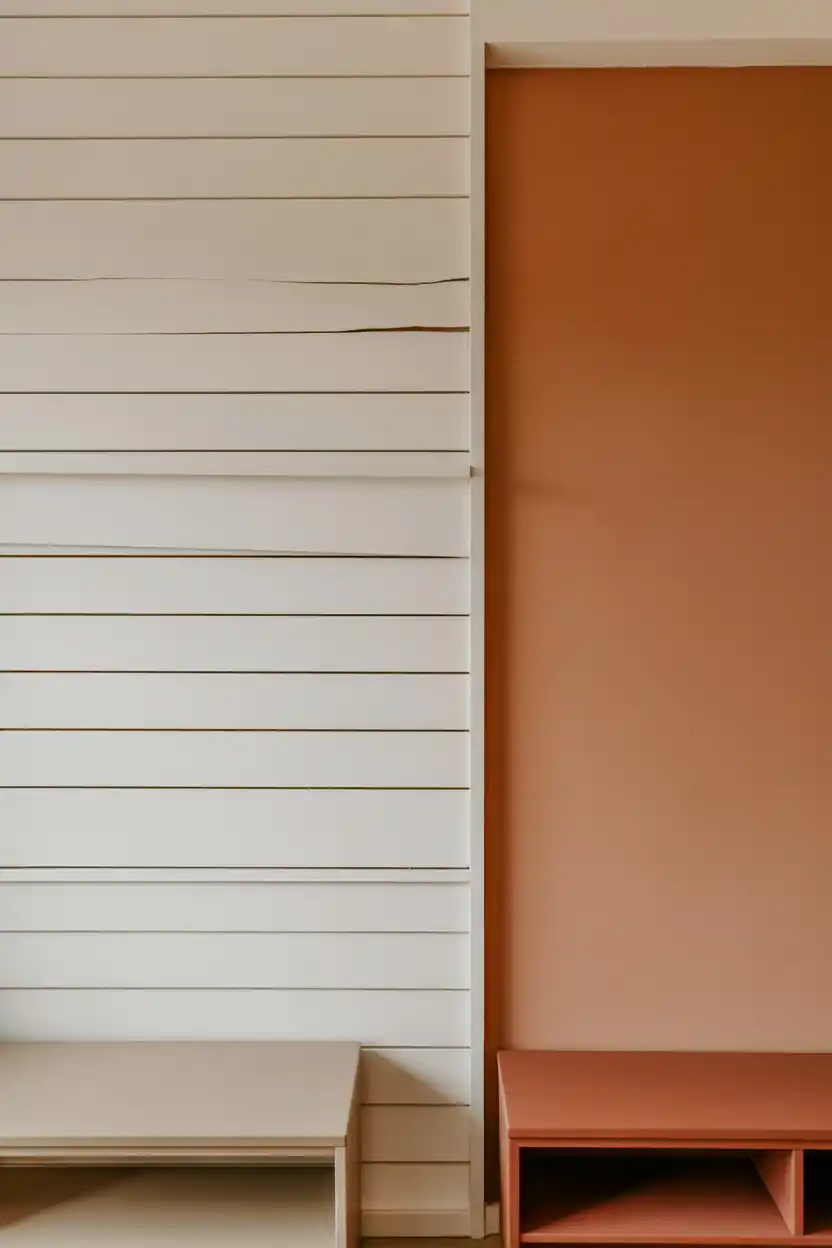
Shiplap became shorthand for farmhouse style after a wave of renovation shows, and covering every wall in it now reads as an overused trend rather than a design choice.
Used sparingly as a single accent wall or paired with a bold paint color, the texture still works; it’s the wall-to-wall, whole-house application that feels dated. Color and mixed materials are replacing all-over shiplap.
5. Accent Walls in Bold Floral Wallpaper
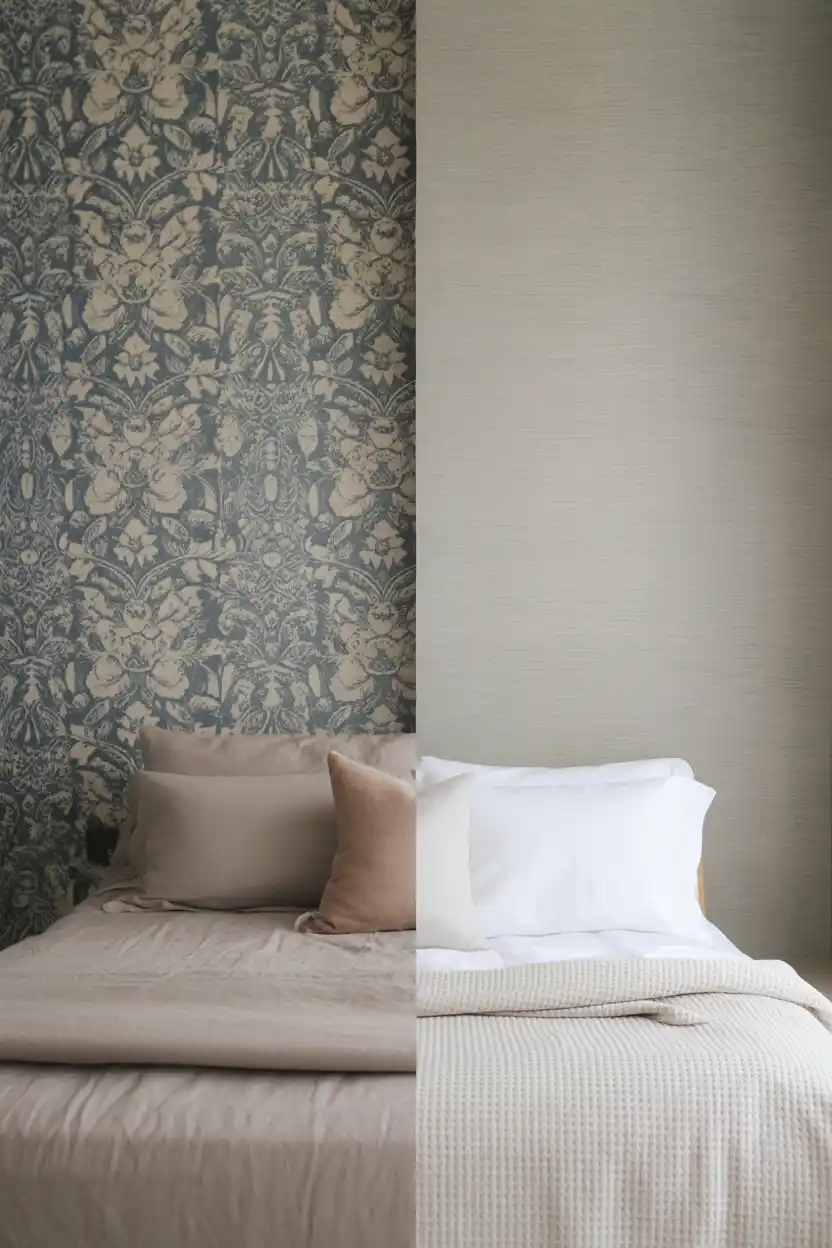
Large-scale, high-contrast floral wallpaper accent walls were a defining trend for years, but bold patterns tend to age quickly and can make a room feel visually dated within a few seasons.
Subtle textured wallcoverings like grasscloth or plaster finishes are replacing bold prints, offering depth without a strong pattern that will feel dated later. Save the bold pattern for easily swapped items like pillows instead.
6. Matching ‘Bedroom in a Box’ Furniture Sets
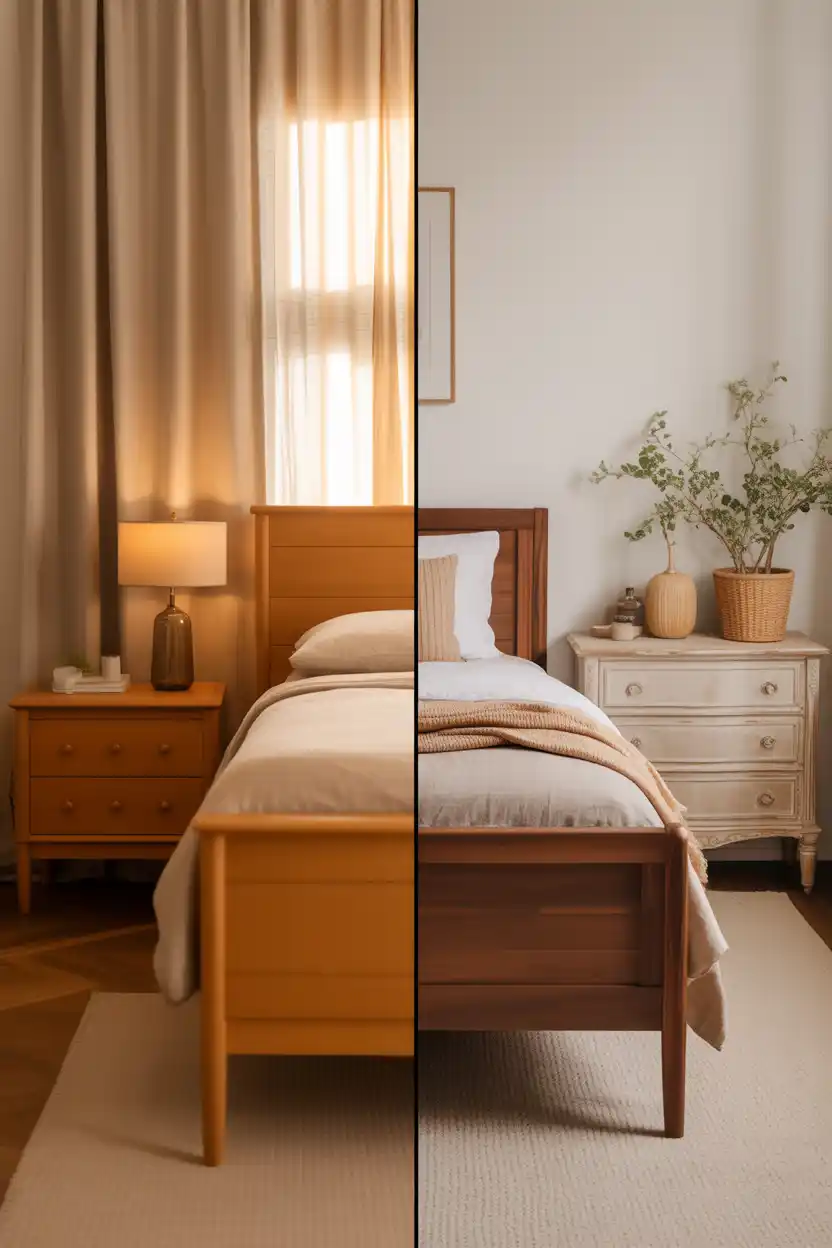
Purchasing an entire matching bedroom set once signaled a finished, put-together room, but identical furniture from a single collection now reads as showroom-generic rather than personal.
Mixing wood tones and furniture styles, while keeping a cohesive color palette, creates a more collected, intentional look. This shift doesn’t require replacing everything at once; swapping just one or two pieces makes a noticeable difference.
7. Ornate Oversized Ceiling Fans
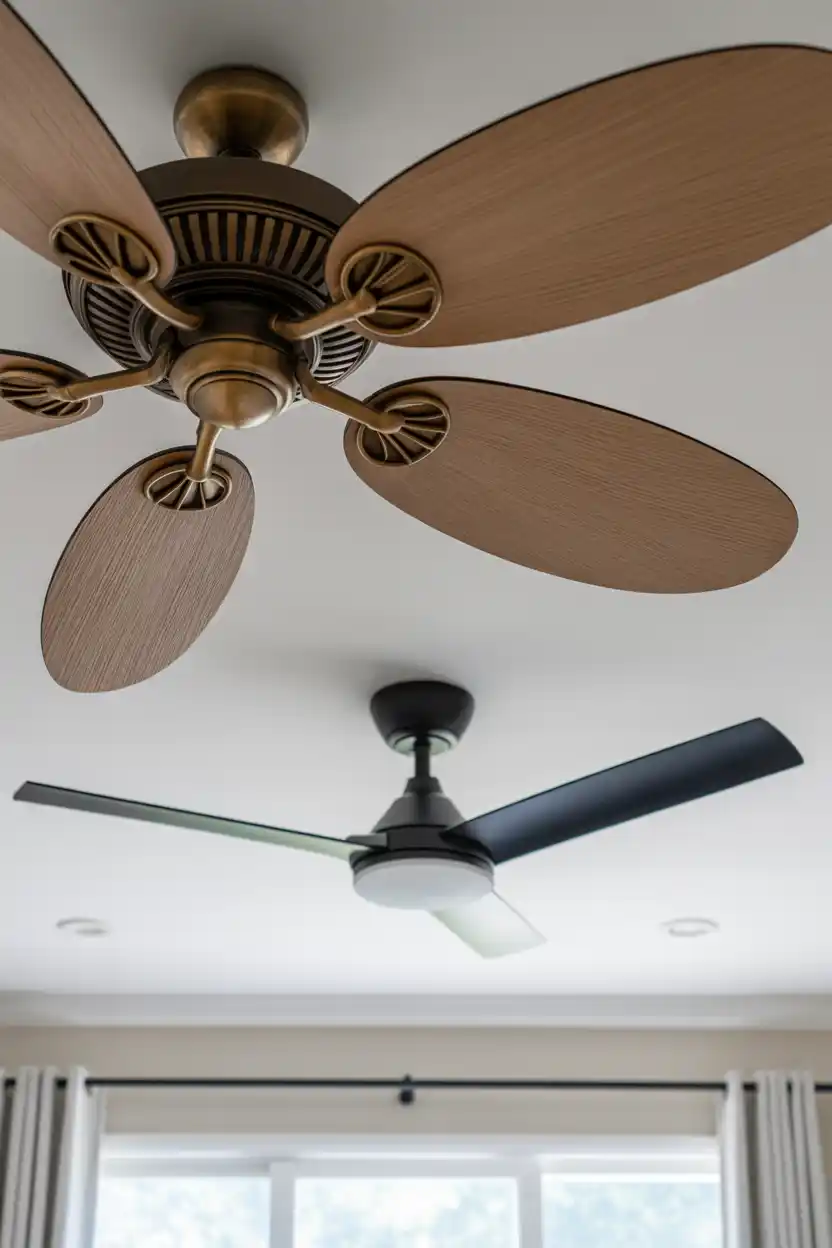
Bulky ceiling fans with ornate blades and brass light kits were once the default in nearly every bedroom and living room, but their scale and detailing now feel heavy against more minimal modern interiors.
Slim, low-profile fans in matte black, white, or wood tones blend into the ceiling rather than dominating it. This is a relatively quick swap that makes an outsized difference in how current a room feels.
8. Chevron Patterns Everywhere
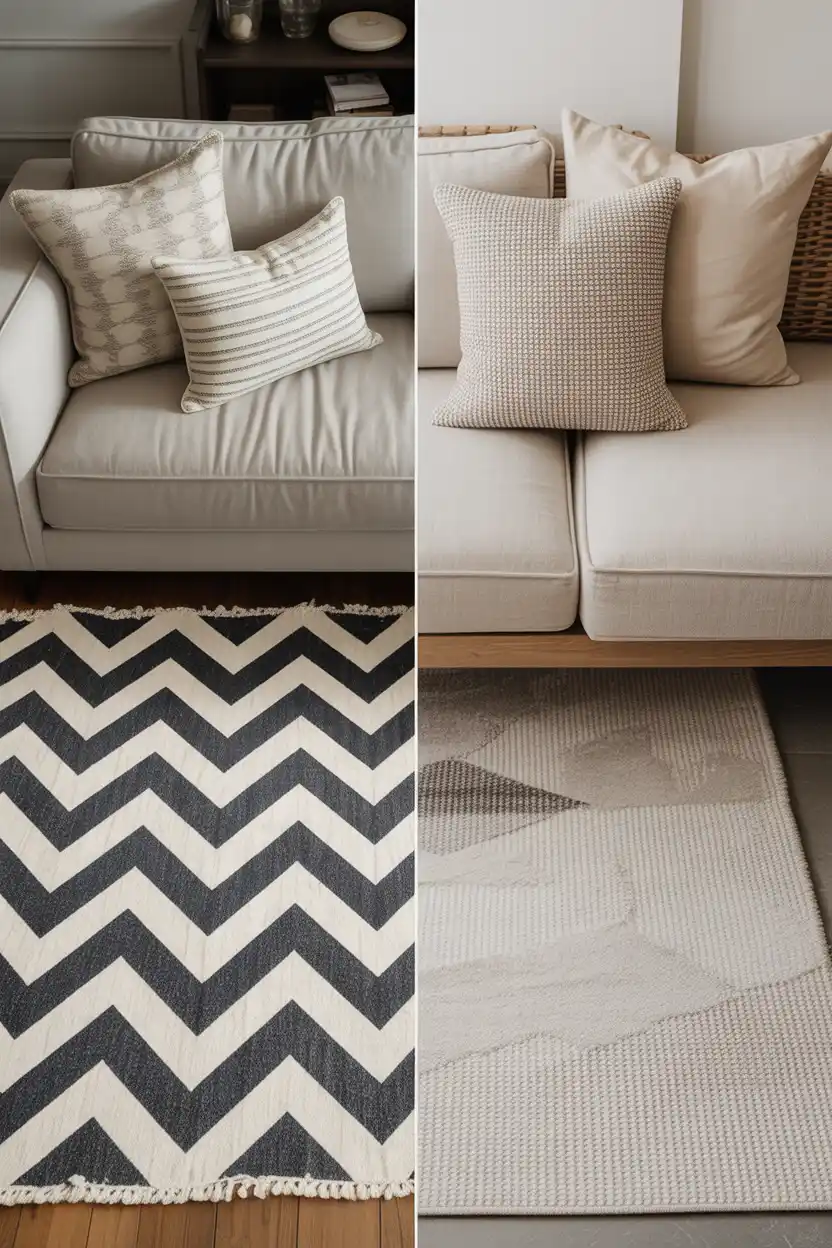
Chevron zigzag patterns appeared on everything from rugs to accent walls to throw pillows during their peak popularity, and the pattern now reads as a clear marker of a specific design era.
Simpler geometric patterns, solid textiles, or natural textures like jute and linen are replacing chevron’s sharp zigzags. This update is usually as simple as swapping a rug or pillow covers.
9. Greige Overload (Gray-on-Gray Everything)
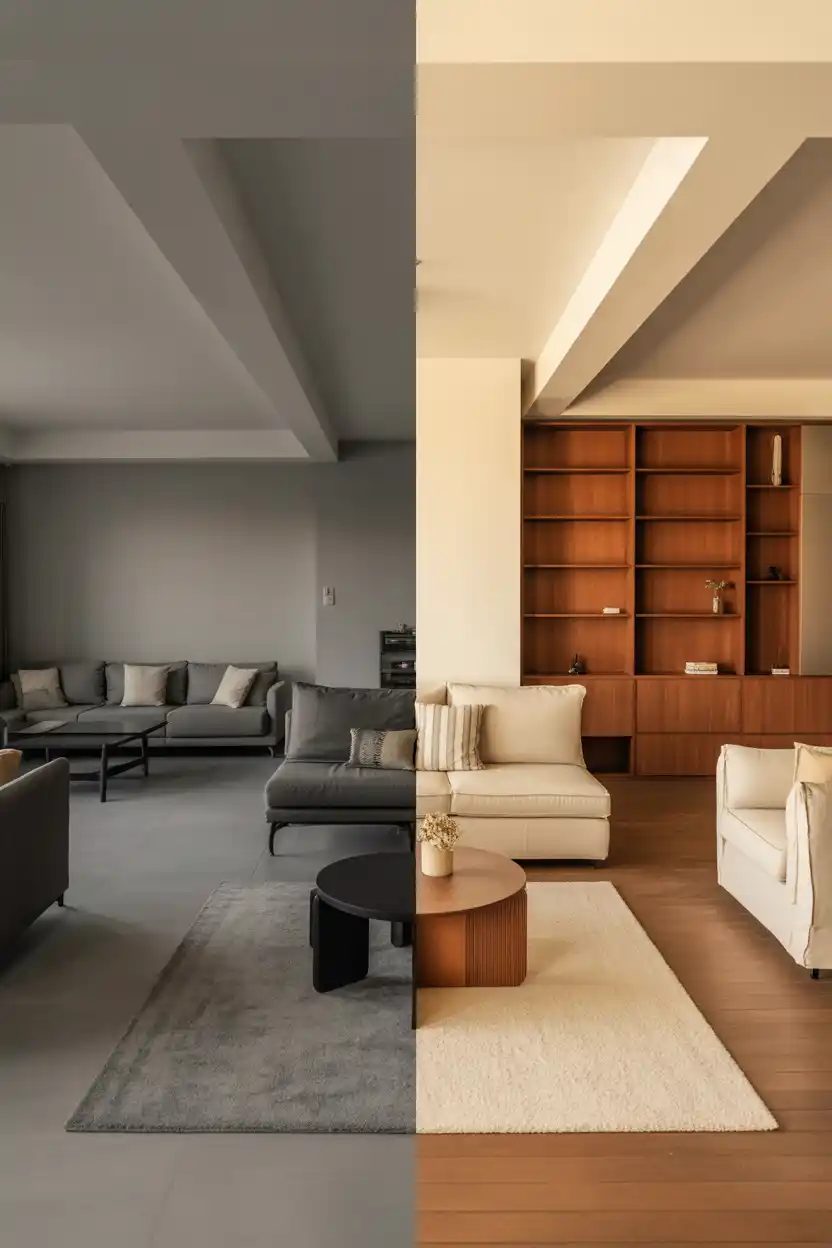
Gray flooring, gray walls, and gray furniture together created a cohesive but often cold and flat look that dominated homes for the better part of a decade.
Warmer neutrals, creamy whites, and natural wood tones are replacing all-gray palettes, adding richness back into a home without abandoning a neutral base. This shift can start with just paint or a rug swap.
10. Inspirational Word Art and Sign Decor
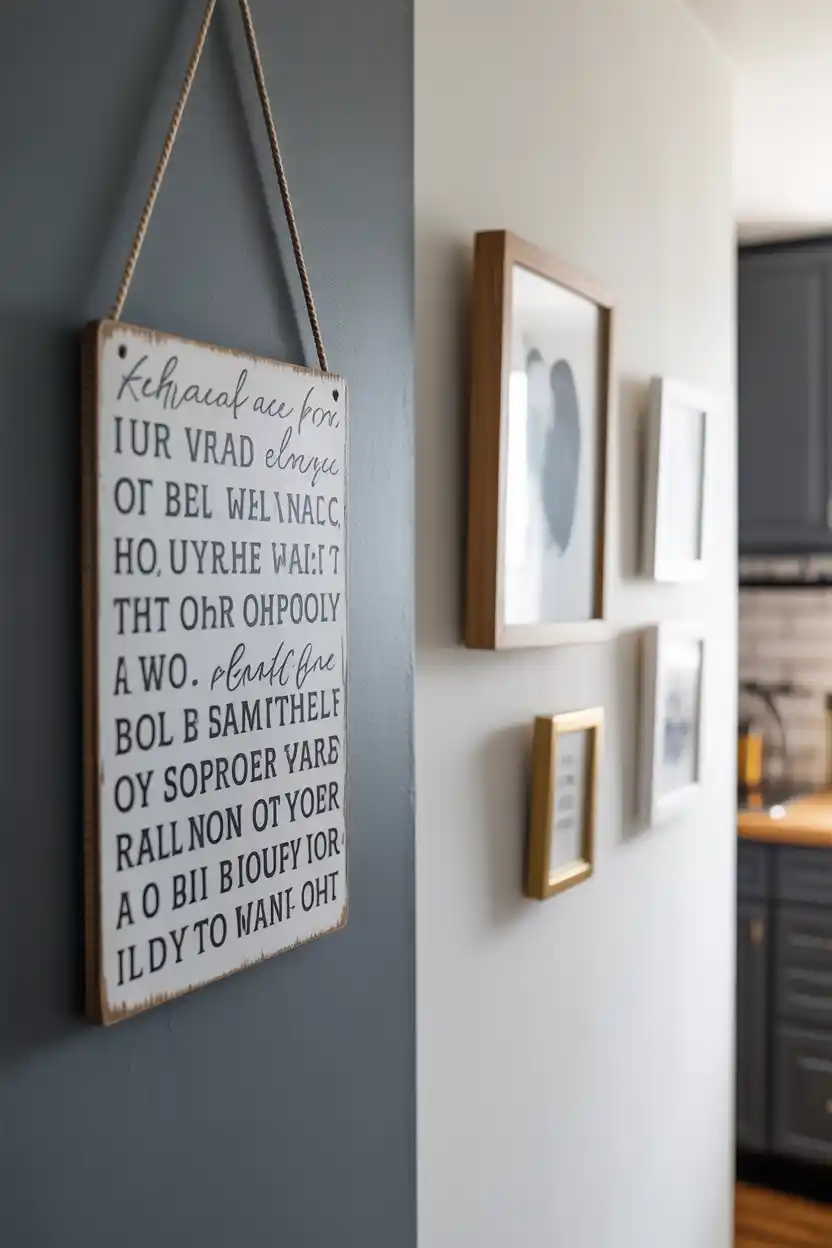
Wood signs with inspirational scripts were a defining decor trend for years, appearing in kitchens and entryways across countless homes with nearly identical phrasing and font choices.
Framed art, photography, or a curated mix of smaller prints feels more personal and current than mass-produced sign decor. This swap costs very little and can reflect your own taste rather than a trend everyone else has to follow.
11. Faux Tuscan or Old World Kitchen Style
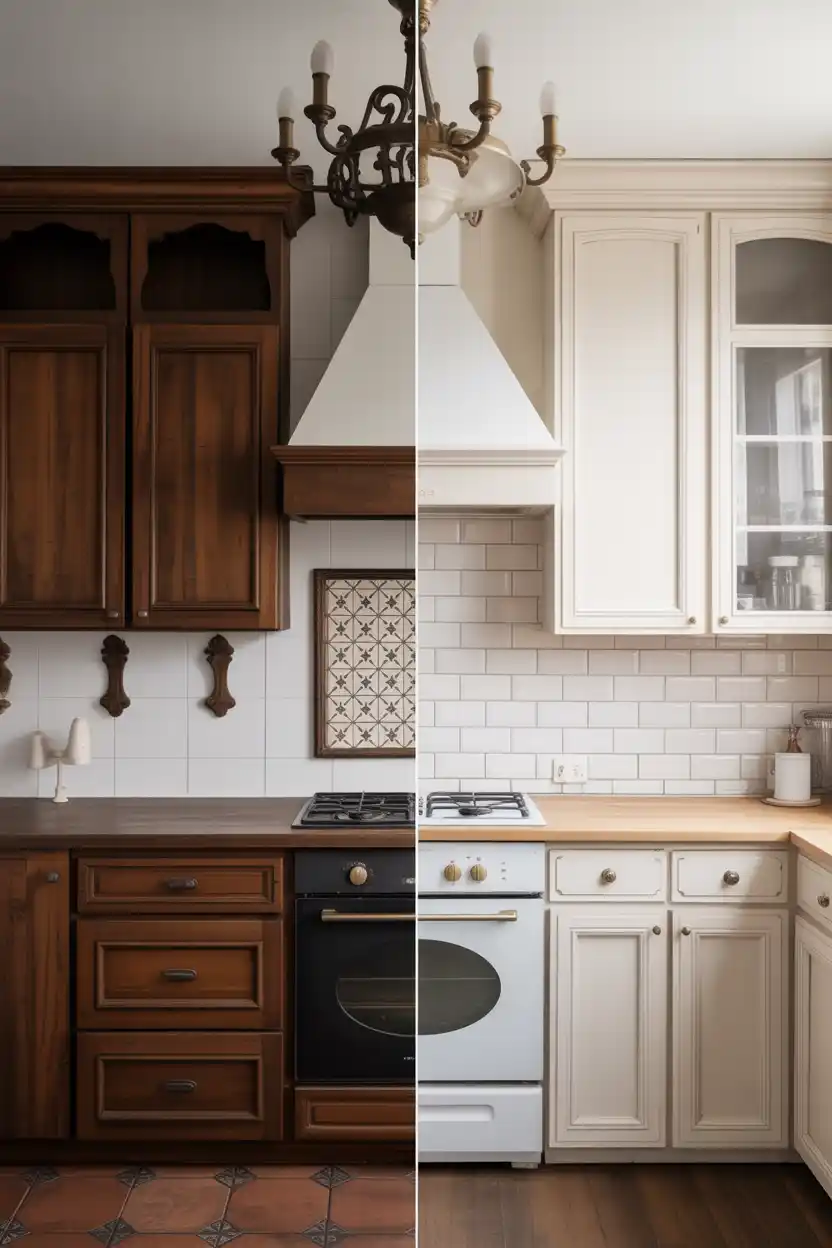
Faux Tuscan kitchens, characterized by dark distressed cabinetry, ornate iron fixtures, and heavily patterned tile, were popular for their sense of old-world warmth but now read as heavy and dated.
Lighter cabinetry, simplified hardware, and cleaner tile patterns are replacing the ornate old-world look with something brighter and more versatile. A full kitchen update is a larger project, but repainting cabinets alone makes a significant dent.
12. Recessed Track Lighting
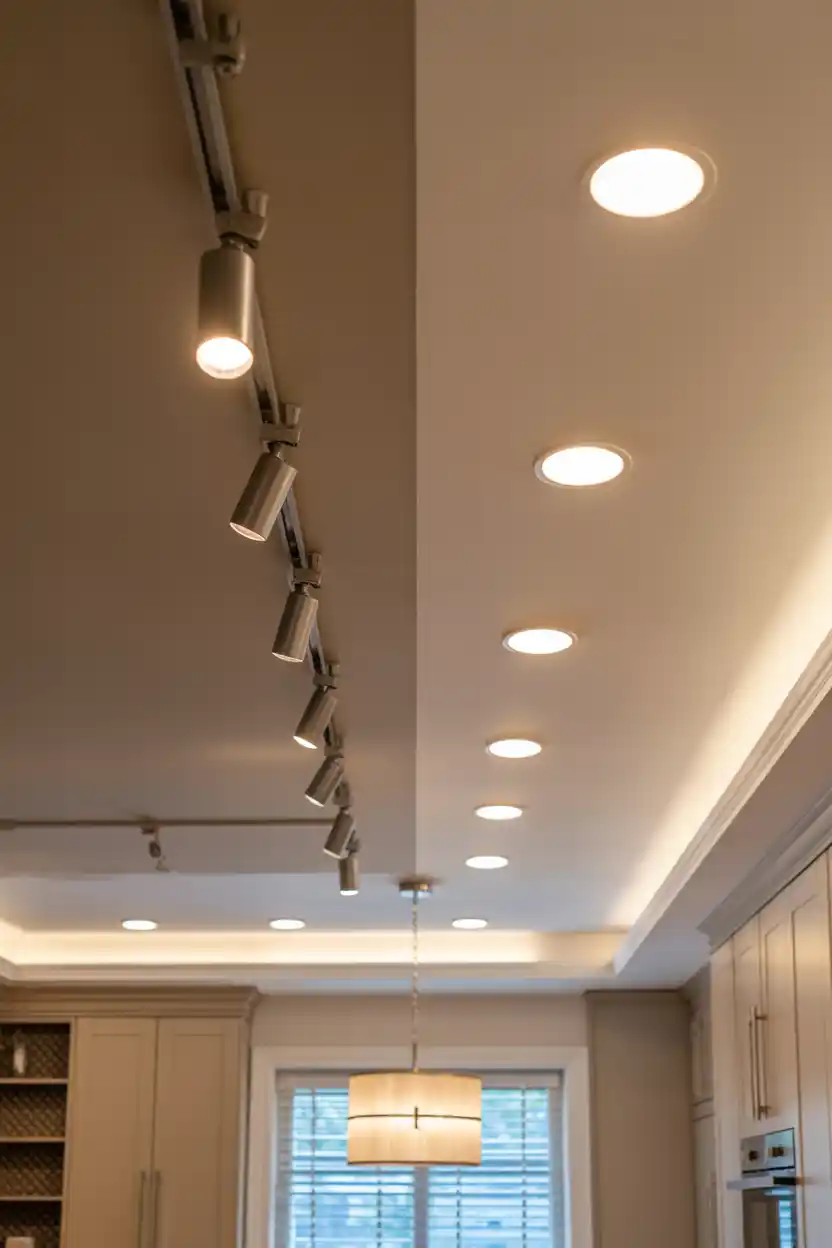
Track lighting was once prized for its flexibility, but the visible rail and adjustable heads now read as a dated, office-like fixture in a residential kitchen or living space.
Recessed can lighting combined with a statement pendant or chandelier over key areas like an island offers a cleaner ceiling line and more intentional lighting design. This update typically requires an electrician.
13. Frosted or Textured Glass Shower Doors
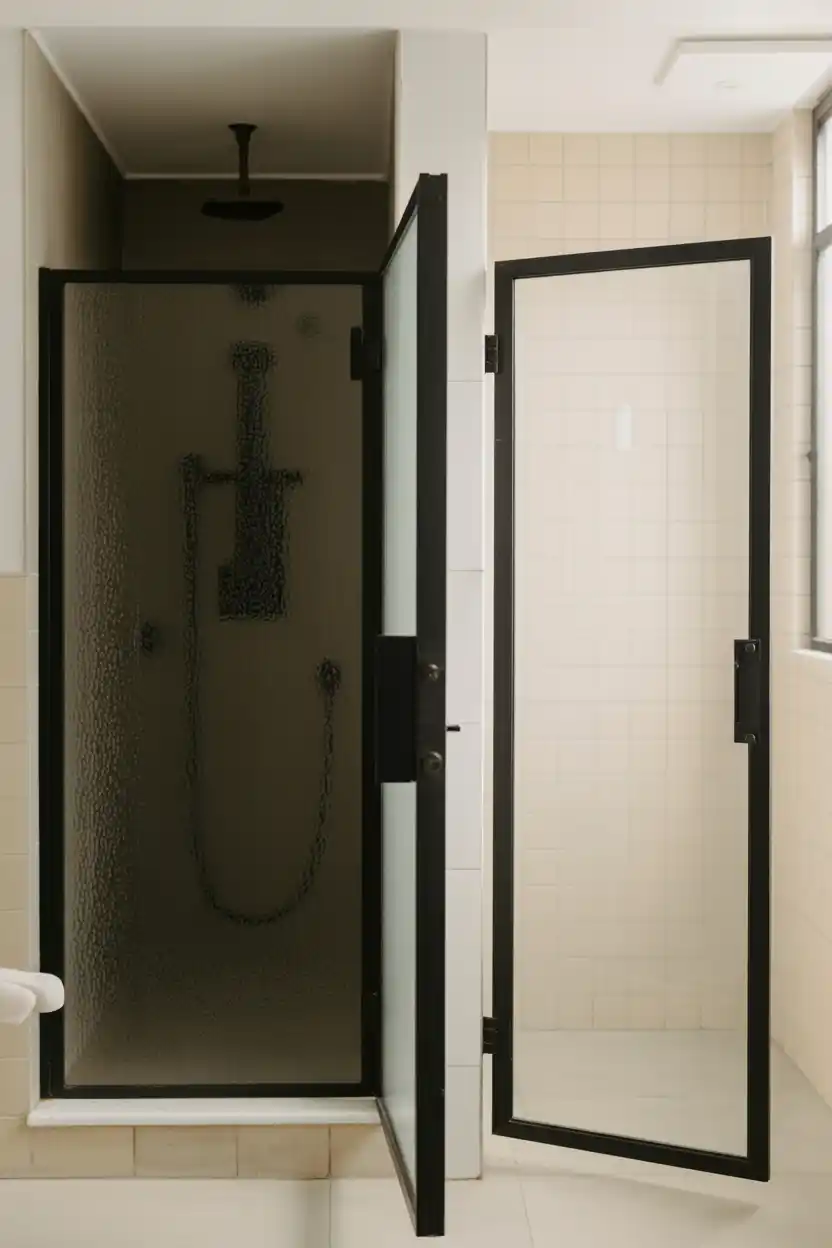
Frosted and textured glass shower doors were popular for privacy, but the wavy or bubbled texture now reads as an outdated 1990s and early 2000s bathroom staple.
Clear glass in a simple black or brushed nickel frame makes bathrooms feel larger and more current, while tile or a frosted privacy strip can still handle privacy where needed. This swap significantly brightens a bathroom.
14. Faux Granite Laminate Countertops
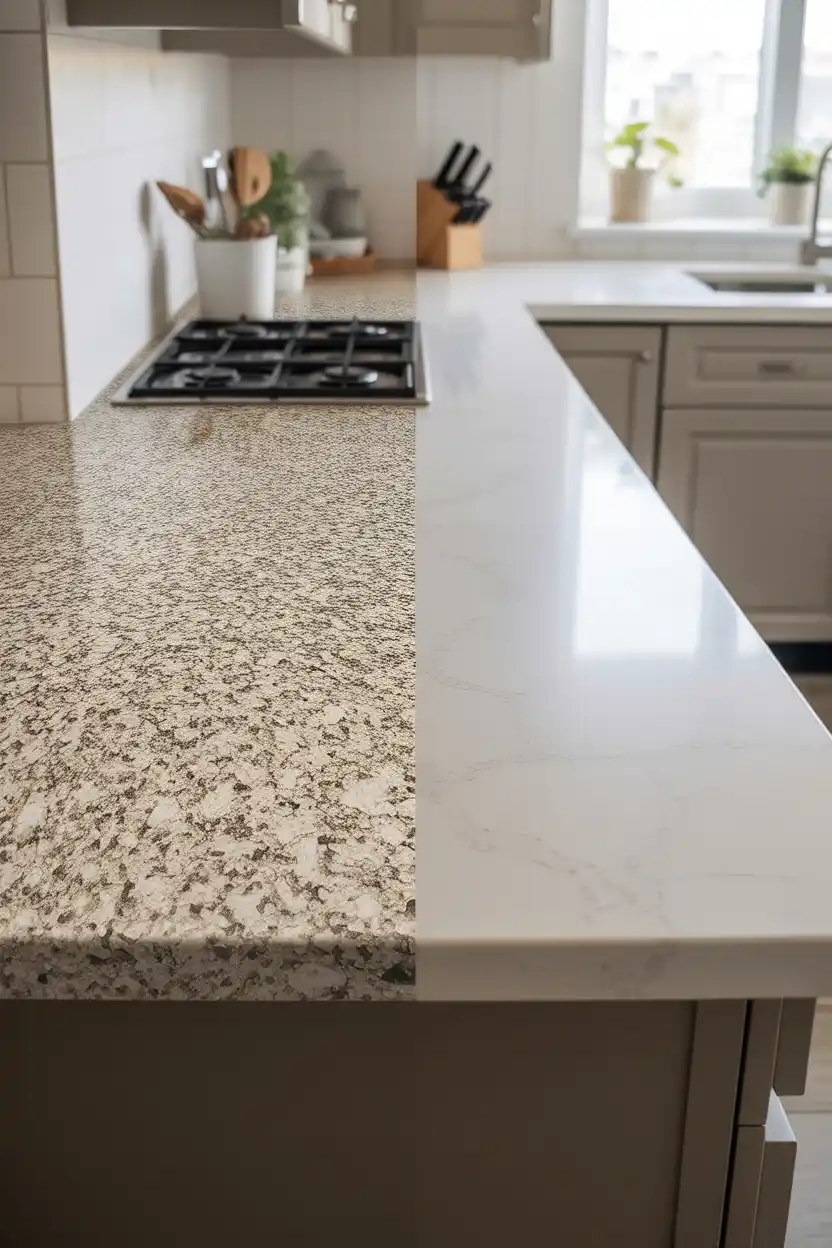
Laminate countertops printed to mimic granite were a budget-friendly staple for years, but the busy speckled patterns now read as an obvious imitation rather than a genuine stone look.
Quartz countertops in solid or subtly veined patterns offer a more current, cohesive look and hold up better to daily wear. This is one of the pricier updates on this list, but it delivers a strong return in a kitchen.
15. Carpet in Bathrooms
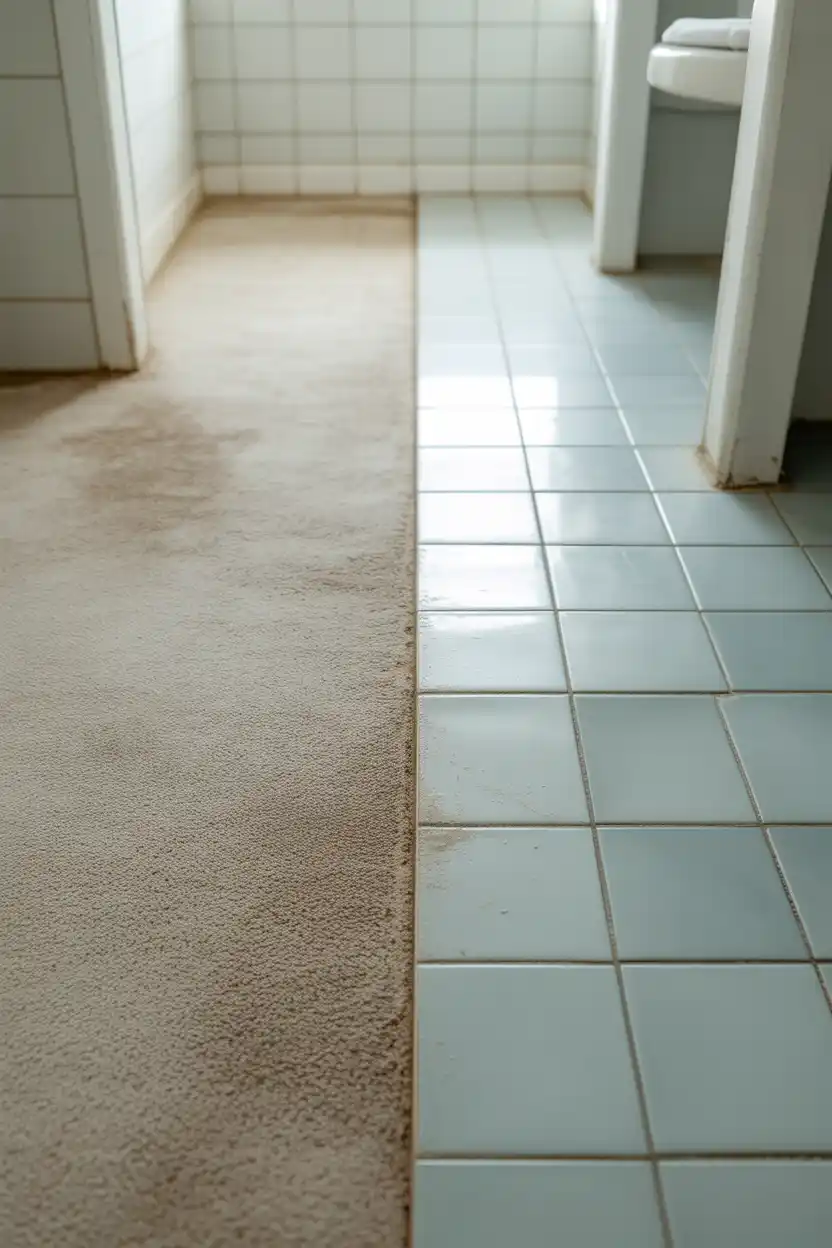
Carpeted bathrooms were once considered cozy, but the material traps moisture and odor in a way that now reads as both dated and impractical for a room that deals with constant humidity.
Water-resistant tile, vinyl plank, or stone flooring has fully replaced carpet in bathrooms for good reason, offering a cleaner, longer-lasting surface. This update is a top priority for anyone preparing to sell.
16. Heavy Drapery with Valances
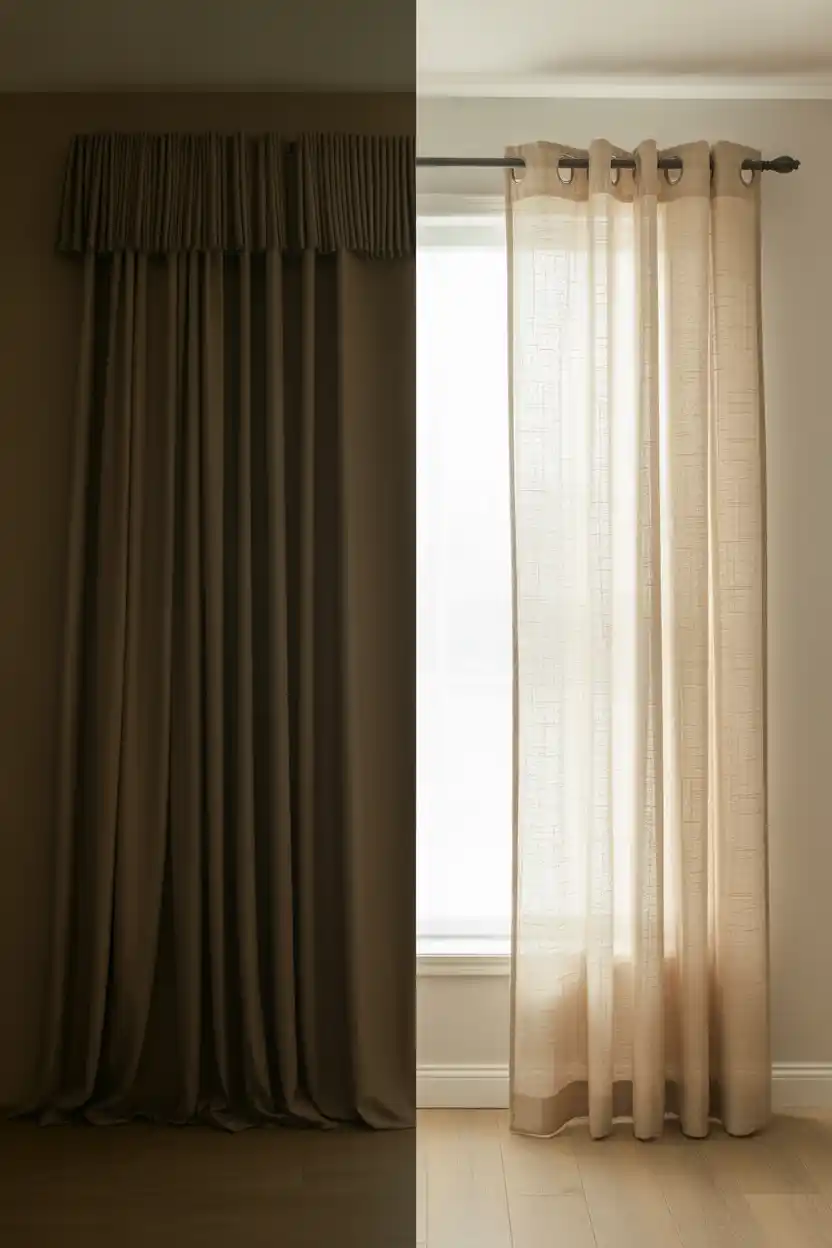
Heavy drapery paired with a matching fabric valance was a formal window treatment staple, but the layered, structured look now feels heavy and dated compared to simpler modern window treatments.
Light linen or cotton curtain panels without a valance let in more natural light and feel considerably more current. This is one of the most affordable updates on this list, often costing less than $100 per window.
17. Edison Bulb Industrial Pendant Clusters
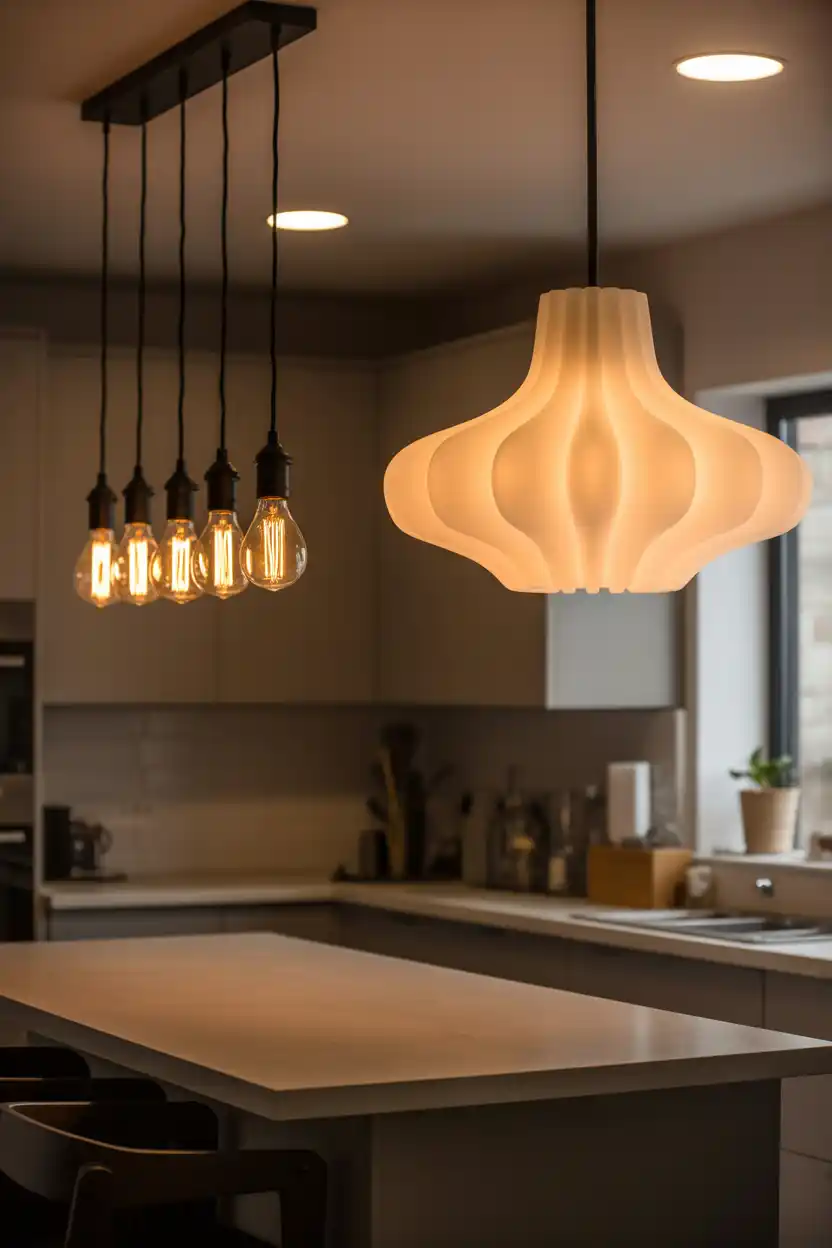
Clusters of exposed Edison bulb pendants defined the industrial-farmhouse look for years, but the trend has become so widespread that it now reads as an easily identifiable, dated choice.
A single sculptural pendant or a pair of simpler fixtures with a shade offers a more curated, current look above an island or table. Swapping lighting is one of the easier and more affordable updates to make.
18. Rose Gold Accent Overload
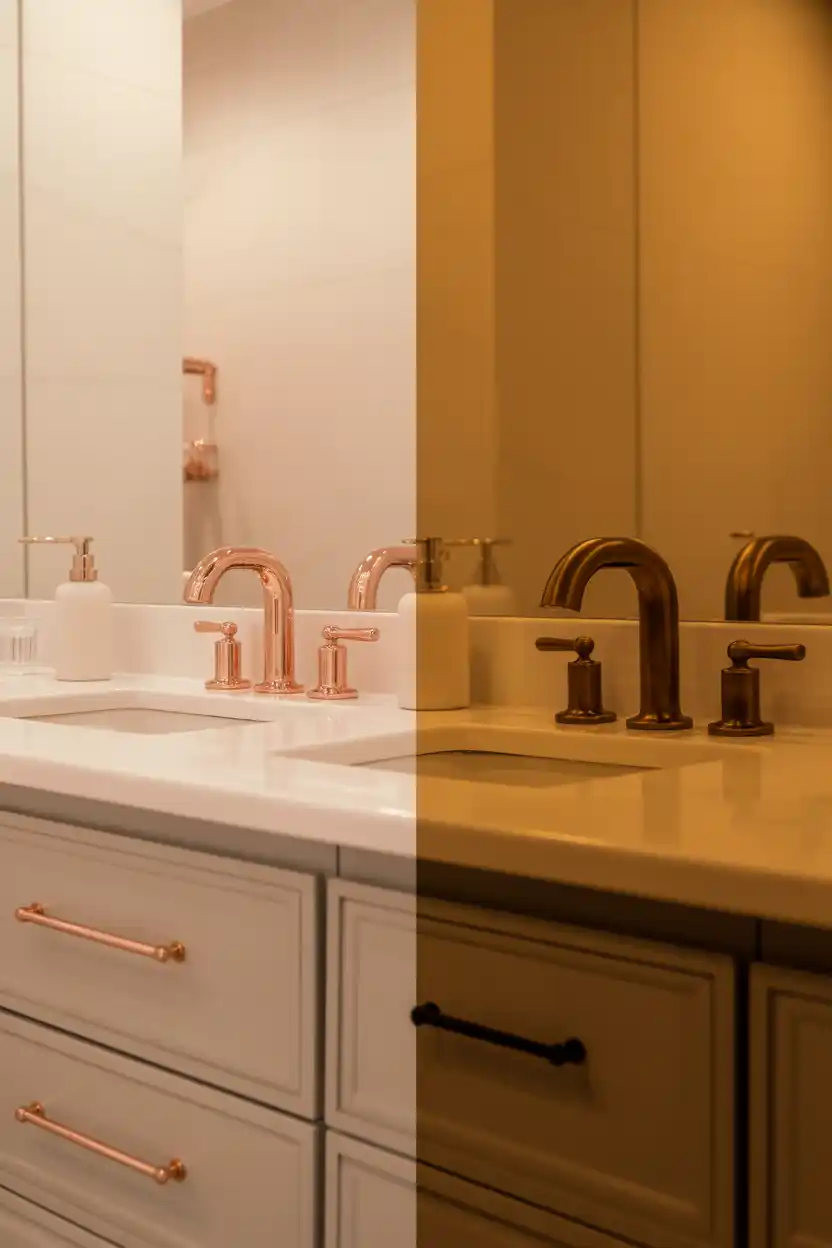
Rose gold hardware and fixtures had a strong moment across kitchens and bathrooms, but the pink-toned metal now reads as a clear marker of a specific, narrow design trend window.
Warm brushed brass and matte black have proven to be more durable style choices, aging more gracefully across different design eras. Swapping hardware is one of the cheapest and fastest updates on this entire list.
19. Wall-to-Wall Carpet in Every Room
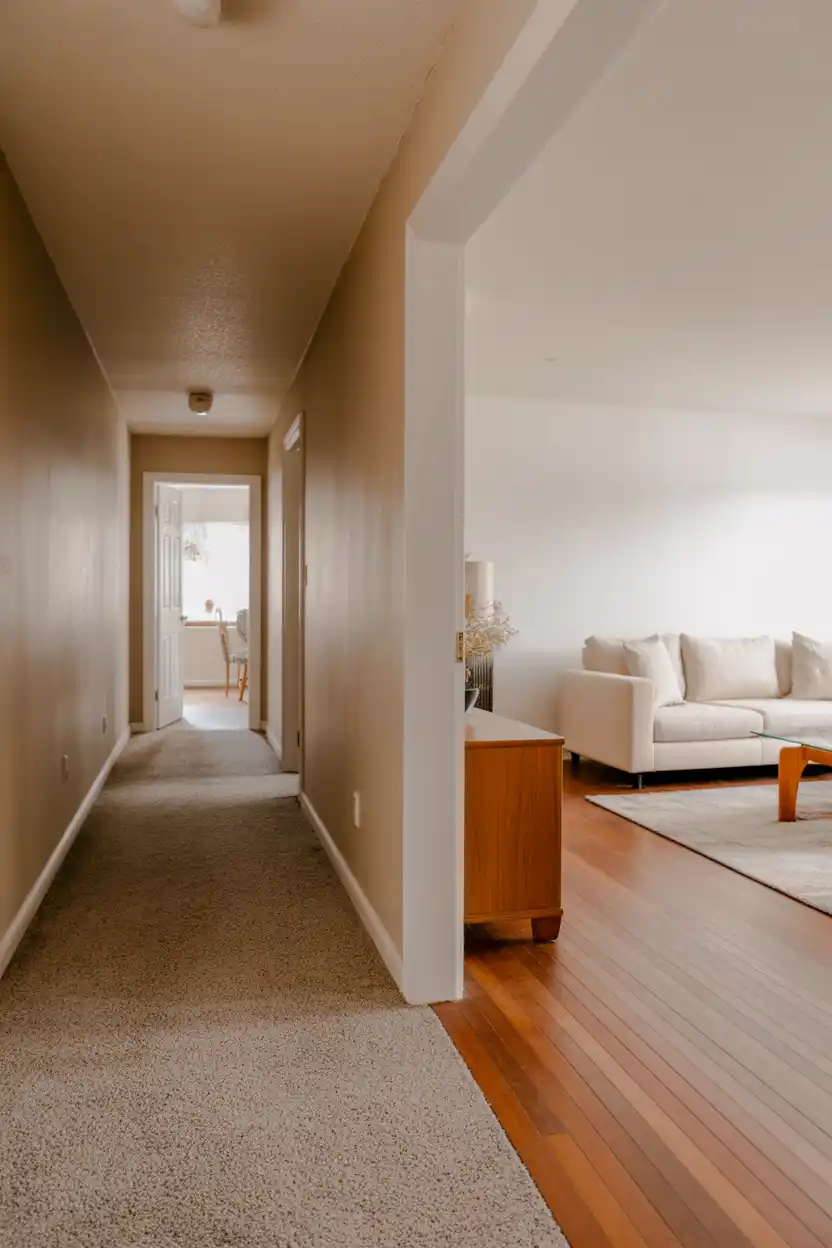
Wall-to-wall carpet throughout an entire home was once the default flooring choice, but it now reads as dated, harder to keep clean, and less versatile than hard flooring with layered rugs.
Hardwood, engineered wood, or luxury vinyl plank paired with area rugs in key rooms offers more flexibility and a more current look. This is a larger investment but one of the most impactful updates for resale value.
20. Oil-Rubbed Bronze Everything
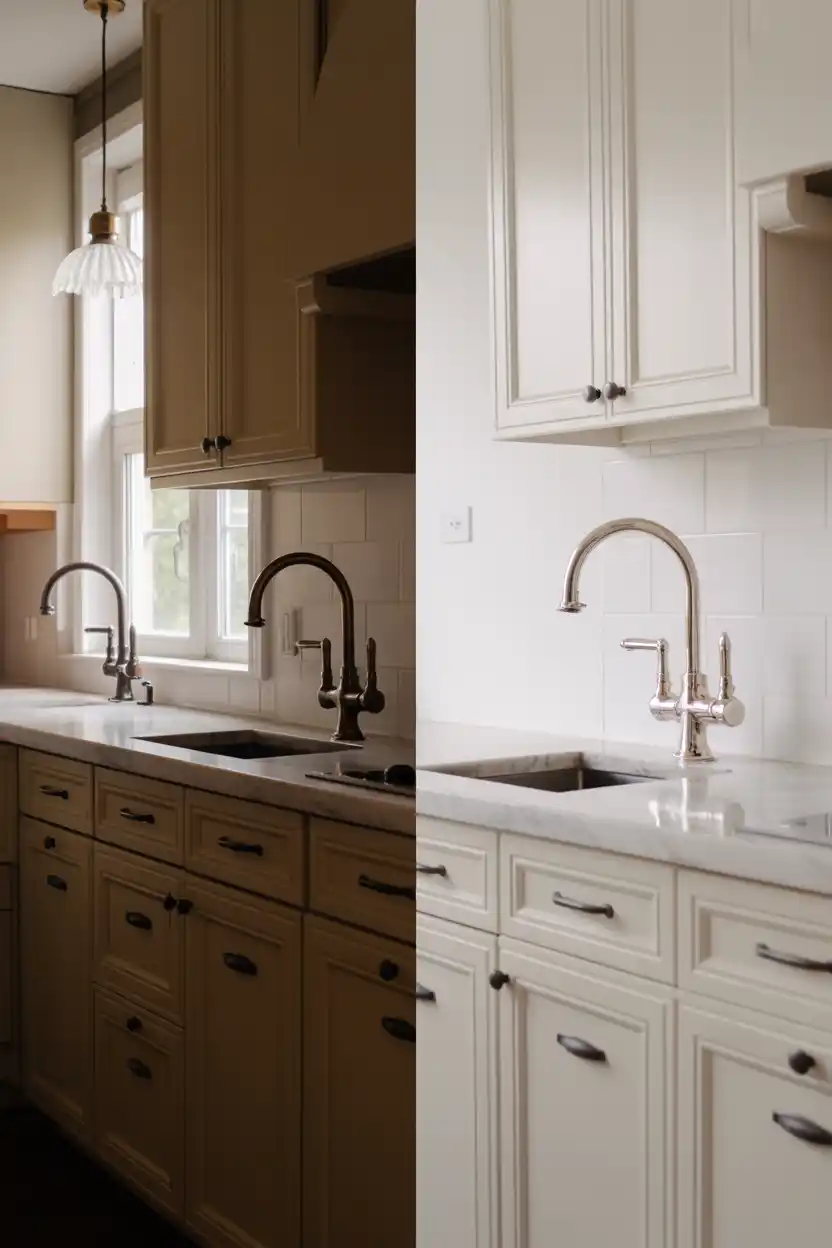
Oil-rubbed bronze was once the go-to finish for faucets, cabinet hardware, and light fixtures across an entire home, but its heavily textured, dark brown-black tone now reads as distinctly early-2000s.
Matte black and brushed nickel or brass have largely replaced oil-rubbed bronze as the current standard finishes. Like other hardware swaps on this list, updating fixtures is a relatively low-cost, high-impact change.
Planning Your Updates: What to Prioritize
Start with the highest-visibility, lowest-cost items
Paint color, light fixtures, and hardware deliver the most noticeable improvement for the least amount of money and time, making them the smartest place to start any update.
Save structural changes for a larger renovation
Items like popcorn ceiling removal, countertop replacement, or flooring changes are best bundled into a larger renovation project rather than tackled one at a time, since they often share labor and disruption.
Test older homes for hazardous materials before demo
Homes built before the 1990s should be tested for asbestos in ceiling texture and vinyl flooring, and for lead paint, before any sanding, scraping, or removal begins.
Prioritize based on how you’ll use the space
If you’re staying long-term, update what genuinely bothers you day-to-day; if you’re preparing to sell, prioritize the updates buyers notice first, like paint, lighting, and countertops.
Choose timeless finishes over the next trend
When replacing a dated finish, lean toward simple, versatile choices like matte black, brushed brass, or natural wood rather than chasing whatever is currently trending, which will eventually date again too.
Budget for surprises behind the walls
Removing old fixtures, flooring, or ceiling texture can reveal outdated wiring, plumbing, or subfloor issues, so build a 10 to 20 percent contingency into any update budget.
Cost Breakdown for Updating Your Home
Costs vary widely based on material, room size, and whether the project is DIY or professionally installed. Here’s a general breakdown to help you budget.
Budget ($50–$800)
Hardware swaps, light fixture replacements, curtain updates, and a fresh coat of paint. Covers most small, high-impact changes that can be completed in a weekend.
Mid-Range ($800–$5,000)
Popcorn ceiling removal, shower door replacement, professional lighting updates, and partial flooring replacement in one or two rooms.
Luxury/Premium ($5,000–$25,000+)
Full kitchen countertop and cabinet updates, whole-home flooring replacement, and comprehensive room renovations addressing multiple outdated trends at once.
Outdated vs. Modern: Side-by-Side Comparison
Use this comparison to see what’s replacing each outdated trend, roughly what it costs, and how urgently to prioritize the update.
| Outdated Trend | Modern Replacement | Avg. Update Cost | Priority Level |
| Popcorn Ceilings | Smooth skim-coat finish | $1–$3 per sq ft | High (if selling) |
| Faux Granite Laminate | Quartz countertops | $50–$100 per sq ft | High |
| Oil-Rubbed Bronze Hardware | Matte black or brass | $5–$25 per piece | Low (easy DIY) |
| Bathroom Carpet | Water-resistant tile | $5–$15 per sq ft | High |
| Track Lighting | Recessed cans + pendant | $150–$500 per fixture | Medium |
| Wall-to-Wall Carpet | Hardwood or LVP + rugs | $6–$12 per sq ft | Medium to high |
Tips to Keep Your Updated Home From Feeling Dated Again
● Repaint high-traffic walls every 5 to 7 years to keep colors from reading as dated or worn, even if the shade itself is still current.
● Clean and polish updated hardware and fixtures regularly, since tarnish or grime buildup can make even a current finish look neglected over time.
● Rotate or refresh smaller decor items like pillows, rugs, and art every couple of years rather than waiting for an entire room to feel outdated at once.
● Keep an eye on which finishes are aging well versus quickly when shopping for future updates, favoring materials with a track record across multiple design eras.
● Avoid full-room commitments to a single strong trend; layering a few timeless basics with swappable trend pieces keeps updates easier and cheaper long-term.
Frequently Asked Questions
What home decor trends are considered outdated in 2026?
Popcorn ceilings, all-over gray color schemes, rose gold hardware, and faux granite laminate countertops are among the most commonly cited outdated trends, along with heavy drapery, oil-rubbed bronze fixtures, and wall-to-wall carpet.
Is it worth updating outdated decor before selling a house?
Yes, updating high-visibility items like paint color, lighting, and countertops generally offers a strong return before selling, since these are the first things buyers notice and can affect their overall impression of the home’s condition.
What’s the cheapest way to update a dated room?
Swapping hardware, light fixtures, and curtains, along with a fresh coat of paint, typically delivers the biggest visual improvement for the lowest cost, often under a few hundred dollars per room.
How do I know if popcorn ceilings in my home contain asbestos?
Popcorn ceilings installed before the early 1990s should be professionally tested for asbestos before any removal or sanding begins, since disturbing asbestos-containing texture can release hazardous fibers into the air.
Should I remove every outdated trend from my home at once?
Not necessarily, prioritizing based on cost, visibility, and your own timeline, especially if you’re not selling soon, allows you to spread updates out and avoid an unnecessarily large renovation budget all at once.
How to Decide What to Update First
Deciding what to update first comes down to visibility, cost, and your own timeline. High-visibility, low-cost changes like paint, lighting, and hardware deliver the most noticeable improvement for the least investment, making them the natural starting point for almost any home. Bigger structural items like countertops, flooring, and ceiling texture are worth saving for a dedicated renovation budget rather than tackling piecemeal.
If you’re preparing to sell, prioritize the updates buyers notice first: paint color, lighting, and kitchen or bathroom surfaces, since these have an outsized effect on first impressions. If you’re staying long-term, there’s no rush; update whatever bothers you most in daily life and let the rest wait for a larger project.
Ready to give your home a refresh? Start with a walkthrough of each room, note which trends from this list are present, and tackle the highest-impact, lowest-cost items first to see the biggest difference right away.


- Be Respectful
- Stay Relevant
- Stay Positive
- True Feedback
- Encourage Discussion
- Avoid Spamming
- No Fake News
- Don't Copy-Paste
- No Personal Attacks
- Be Respectful
- Stay Relevant
- Stay Positive
- True Feedback
- Encourage Discussion
- Avoid Spamming
- No Fake News
- Don't Copy-Paste
- No Personal Attacks
